Become a Patron!Support our reviews, videos, and podcasts on Patreon!
Cool tools really work.
A cool tool can be any book, gadget, software, video, map, hardware, material, or website that is tried and true. All reviews on this site are written by readers who have actually used the tool and others like it. Items can be either old or new as long as they are wonderful. We post things we like and ignore the rest. Suggestions for tools much better than what is recommended here are always wanted.
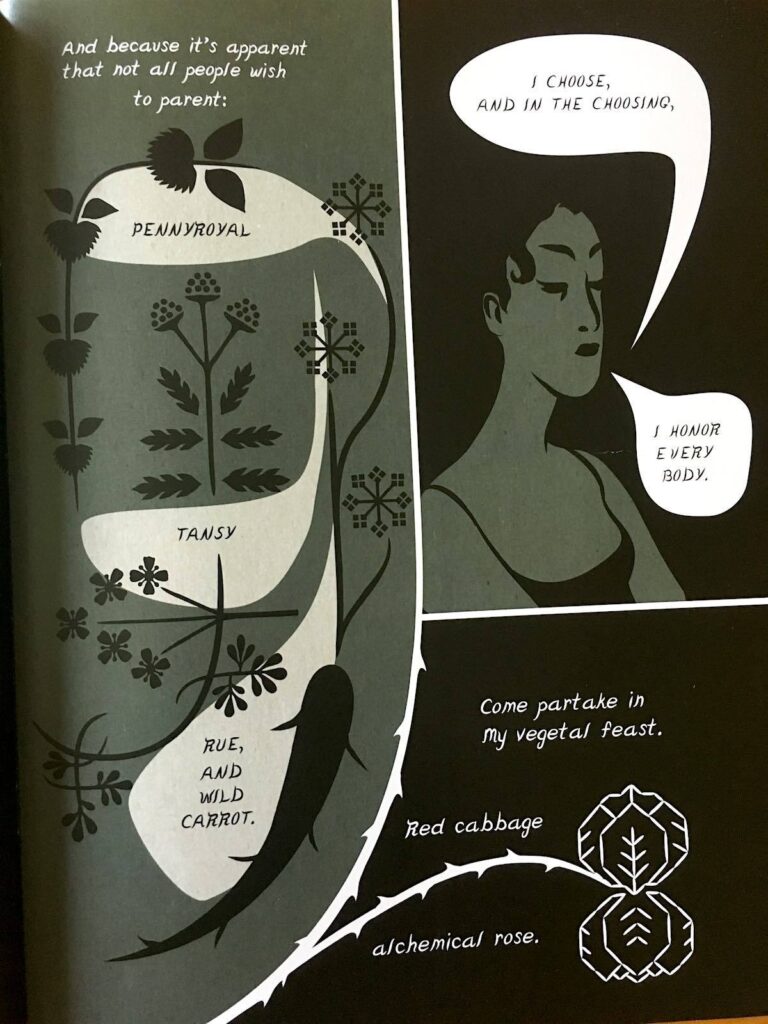
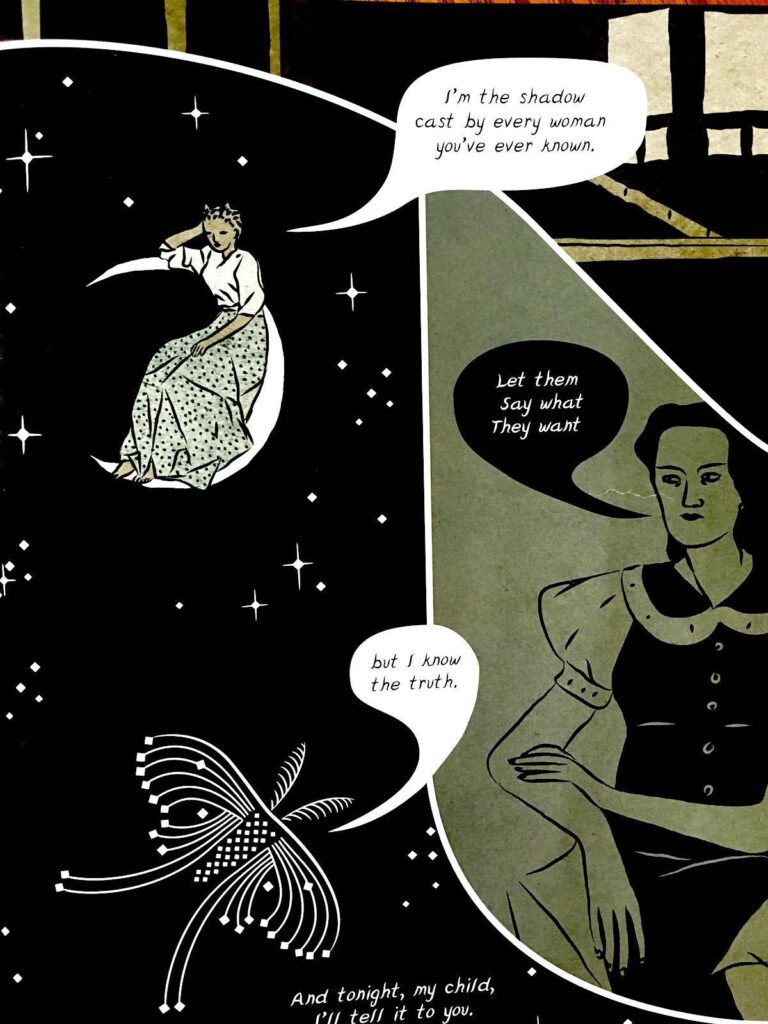
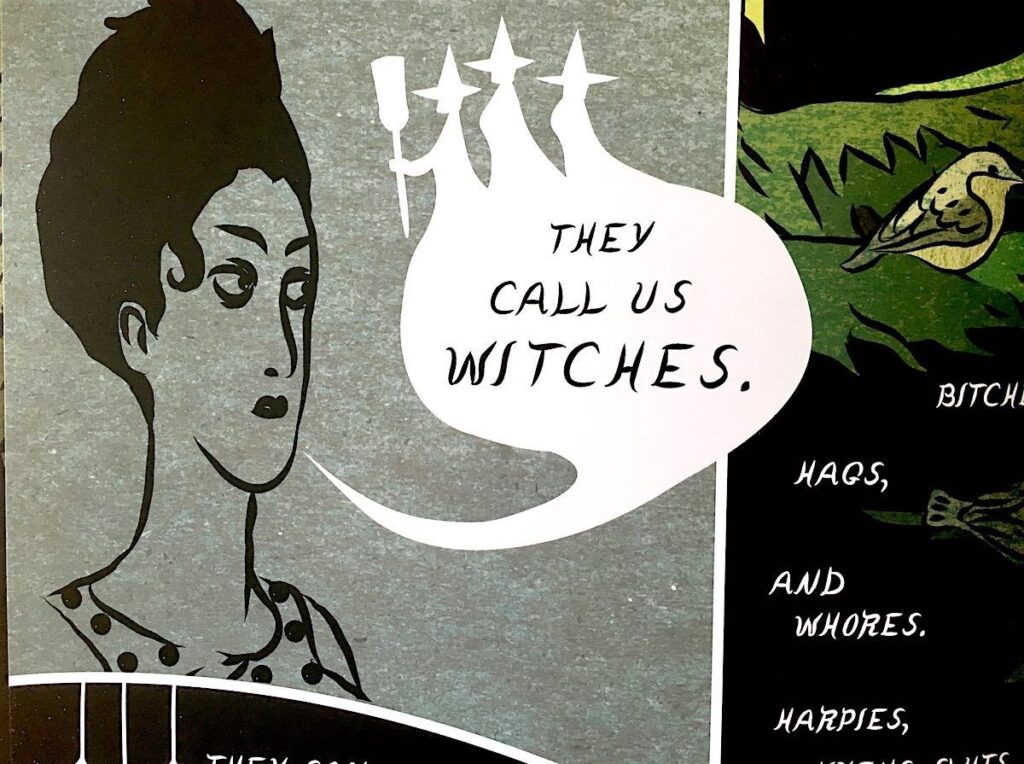
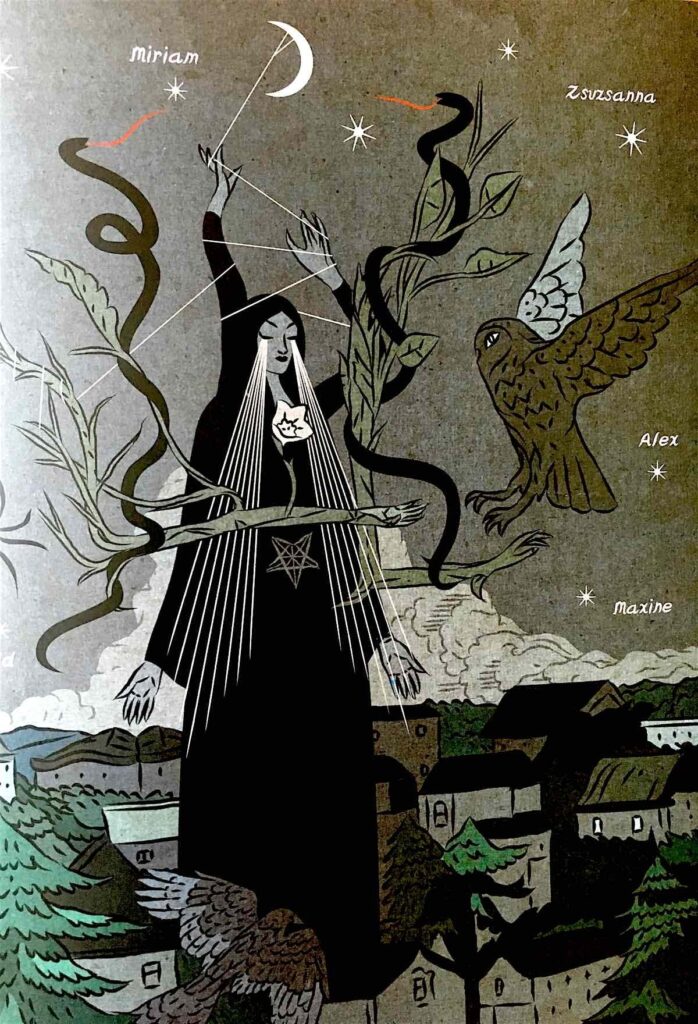
There are few ideas and words in the popular zeitgeist more mercurial than “witch.” Whether coming from the world’s mythologies, religions, folk tales, the realms of fiction, or from those who embrace it as a real-world religious identity, witch can mean myriad things. There are probably few archetypes more simultaneously romanticized and demonized.
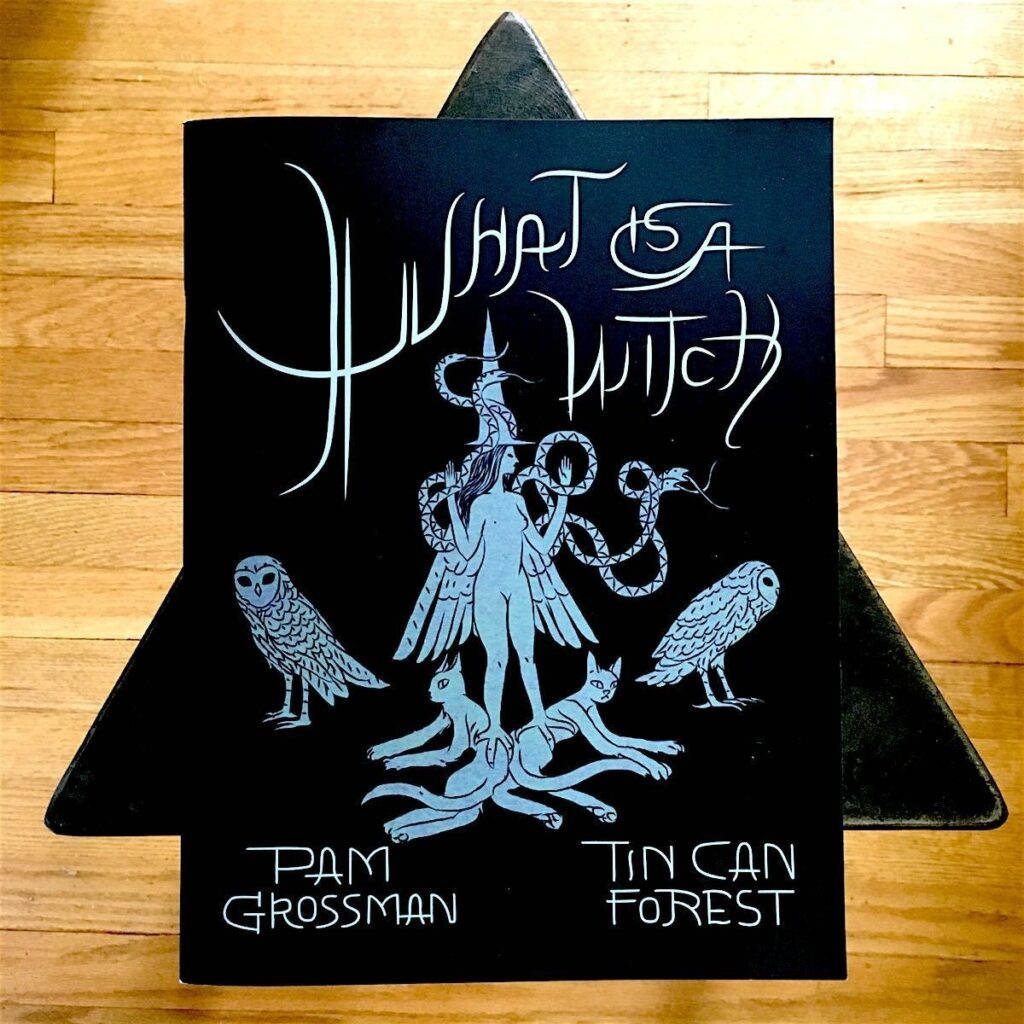
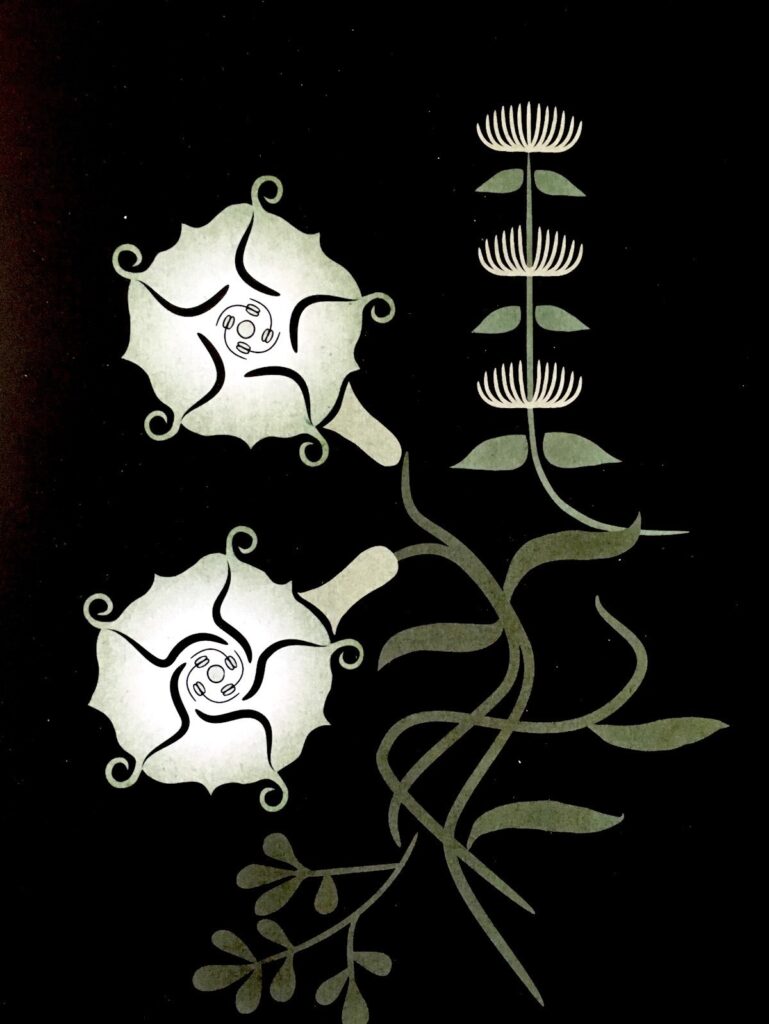
This dizzying dream of character and identity is uniquely and creatively expressed in What is a Witch, a sort of comic book grimoire on the subject by witch and author Pamela Grossman and Canadian’s comic-art occultists, Tin Can Forest. In just under 40 pages of lush, saturated black art and text, What is a Witch serves as something of a witch’s manifesto. The dreamy, free-form text, interwoven amongst equally dreamy art, attempts to cast a spell over the reader, to bring this complex character more vividly to life. In doing so, it doesn’t really answer the question (note that it’s not posed as one) of what a witch is, but instead, plays with her mercurial identity, dipping in and out of fictional and real-world conceptions and how witches are experienced and self-identified. The art and production are really lovely and work to deepen the spell that the book is attempting to cast. The effect of Grossman’s free, often trance-like prose reminded me somewhat of Jack Parson’s famous “We are the Witchcraft” manifesto, another attempt at a poetic conjuring on the identity of the witch.
What is a Witch feels like a captured dream to me, one in which the author and artists dutifully recorded what they experienced and shared the results with us. And those results definitely feel touched by magic. – Gareth Branwyn
ROSALIE LIGHTNING – WHAT COMES AFTER THE SUDDEN, UNEXPLAINED DEATH OF A TWO-YEAR-OLD TODDLER
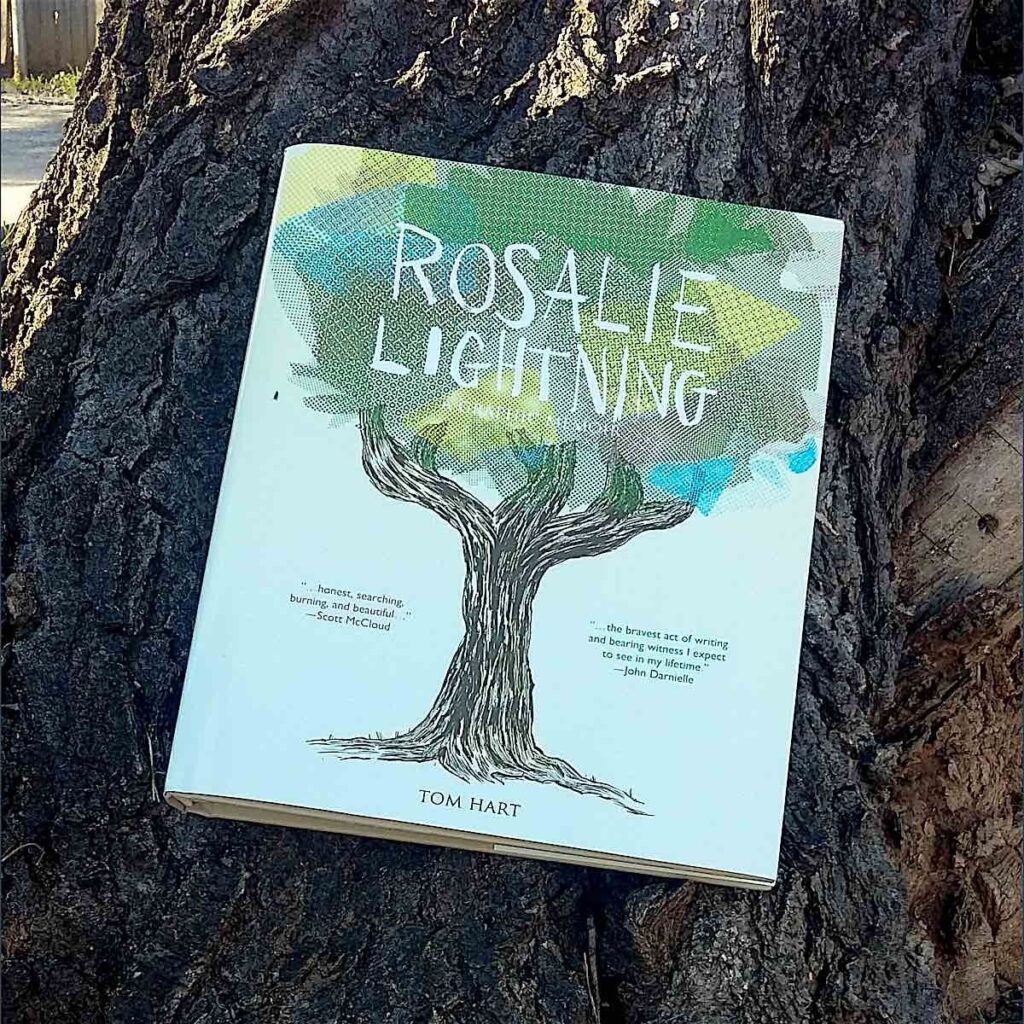
Rosalie Lightning by Tom Hart St. Martin’s Press 2016, 272 pages, 7.8 x 9.6 x 0.8 inches
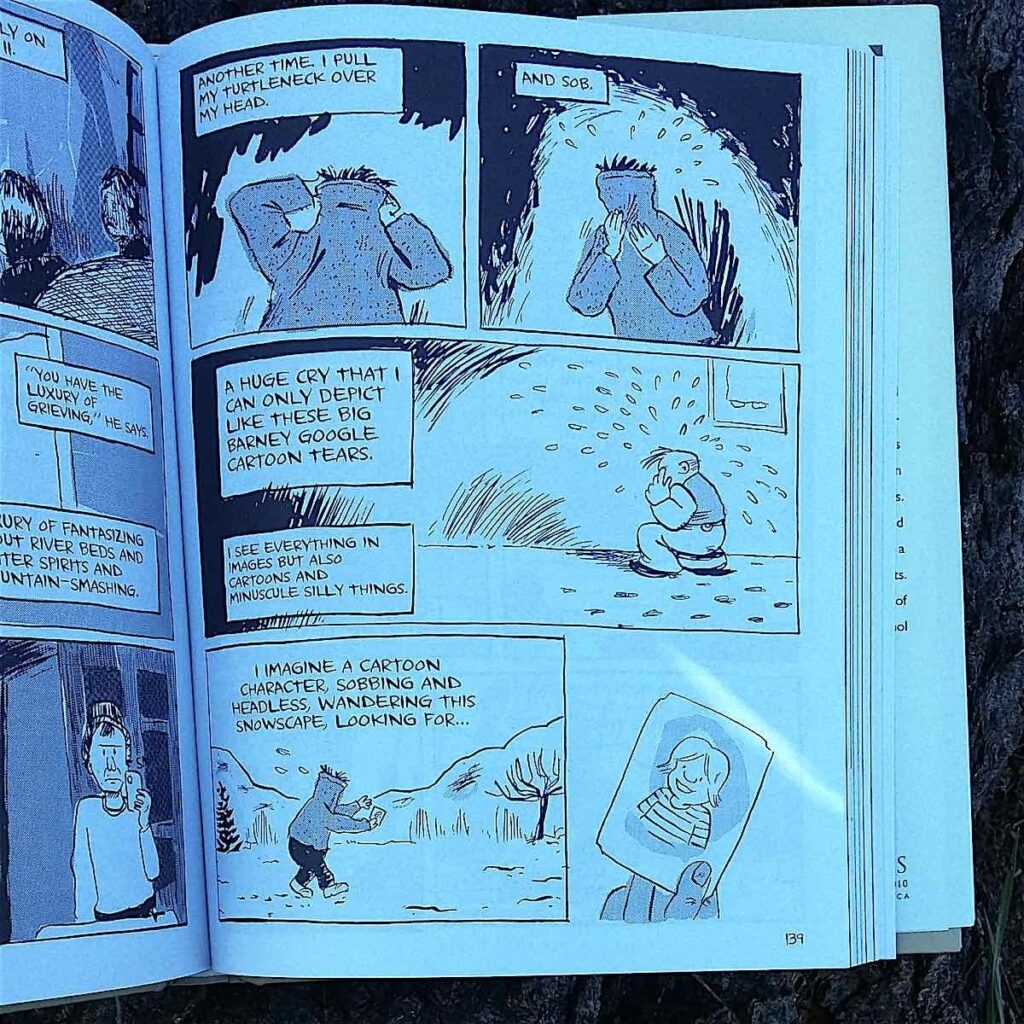
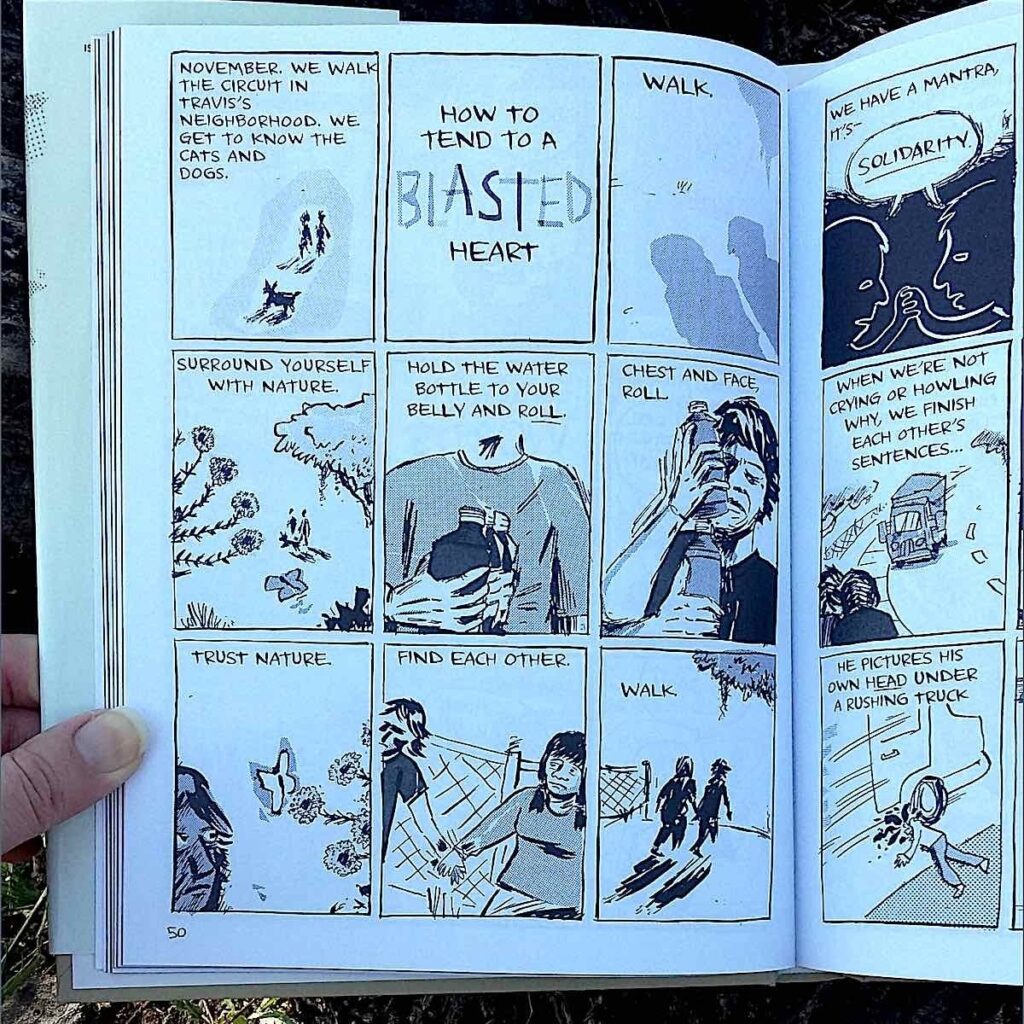
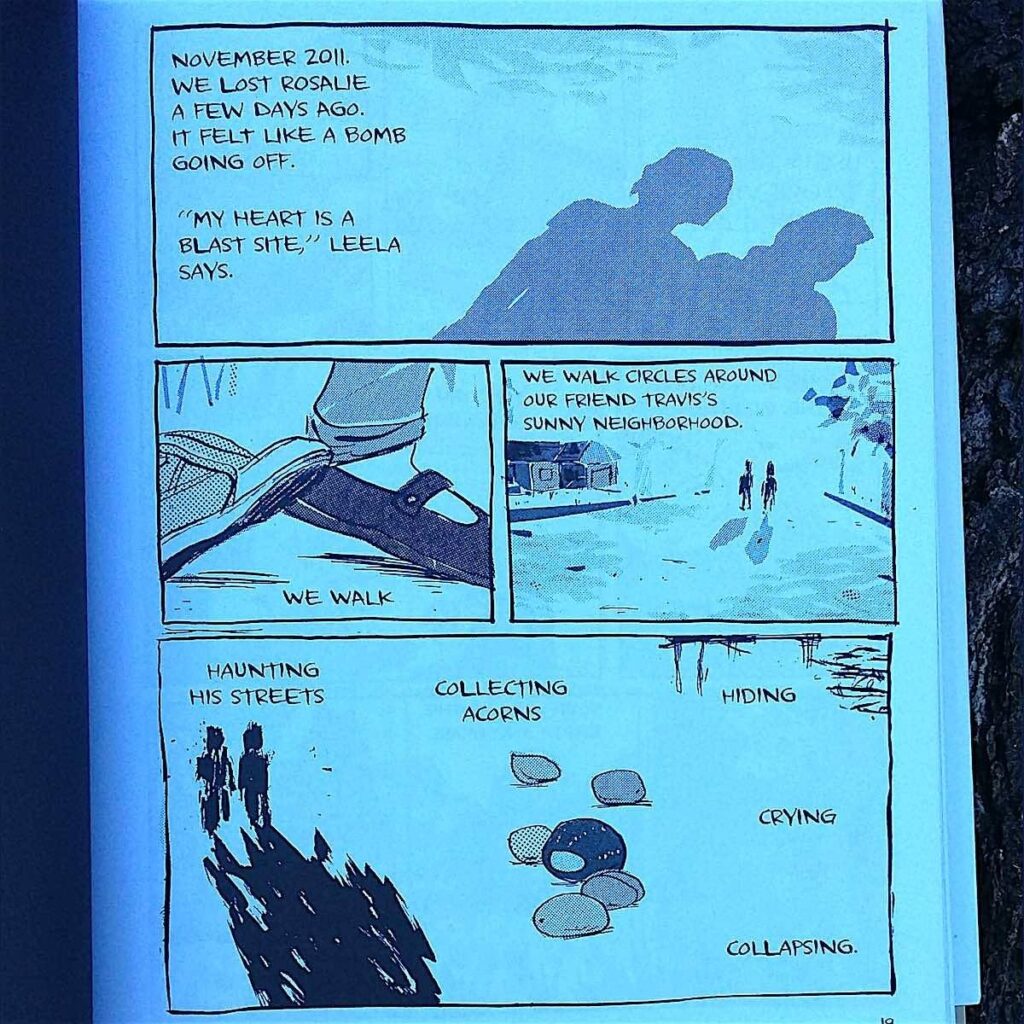
“What do you do when your child dies?” Rosalie Lightning shows us what Tom Hart and his partner Leela Corman did as they mourned the sudden, unexplained death of their toddler Rosalie. This graphic memoir, written and drawn by Hart, is a poignant recounting of grief. In the first pages of the book, Rosalie Lightning, not yet two, dies in the night, without any known cause or sign.
Or were there signs? Hart looks for signs and portents – things that might have given him a clue about was to come — though knowing the portents are meaningless. “What meaning do we make of things?” he asks. Seeking symbols becomes the activity of grief. All the while, he and Corman are visiting friends, selling a home, and considering getting pregnant again.
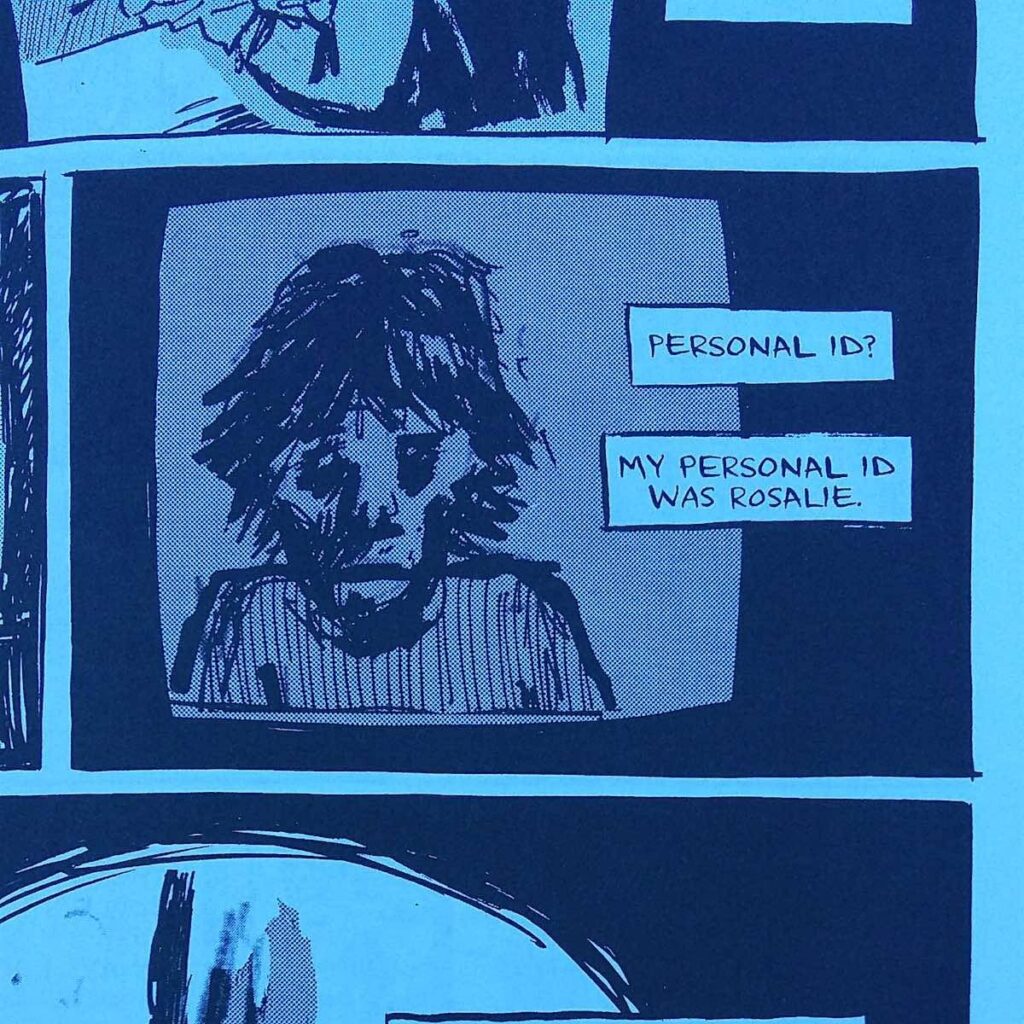
“Wasn’t I a father? Didn’t I have a daughter?” Hart’s grief is acute and vivid. He mixes grayed drawings of himself with simple, adorable drawings of Rosalie (“Rodzy” as she pronounced it). He brings her to life for us through her toddler language “bumbites” (bug bites), “Rodzy hep” (Rosalie help) and “bye big spidoo wam!” (no translation needed).
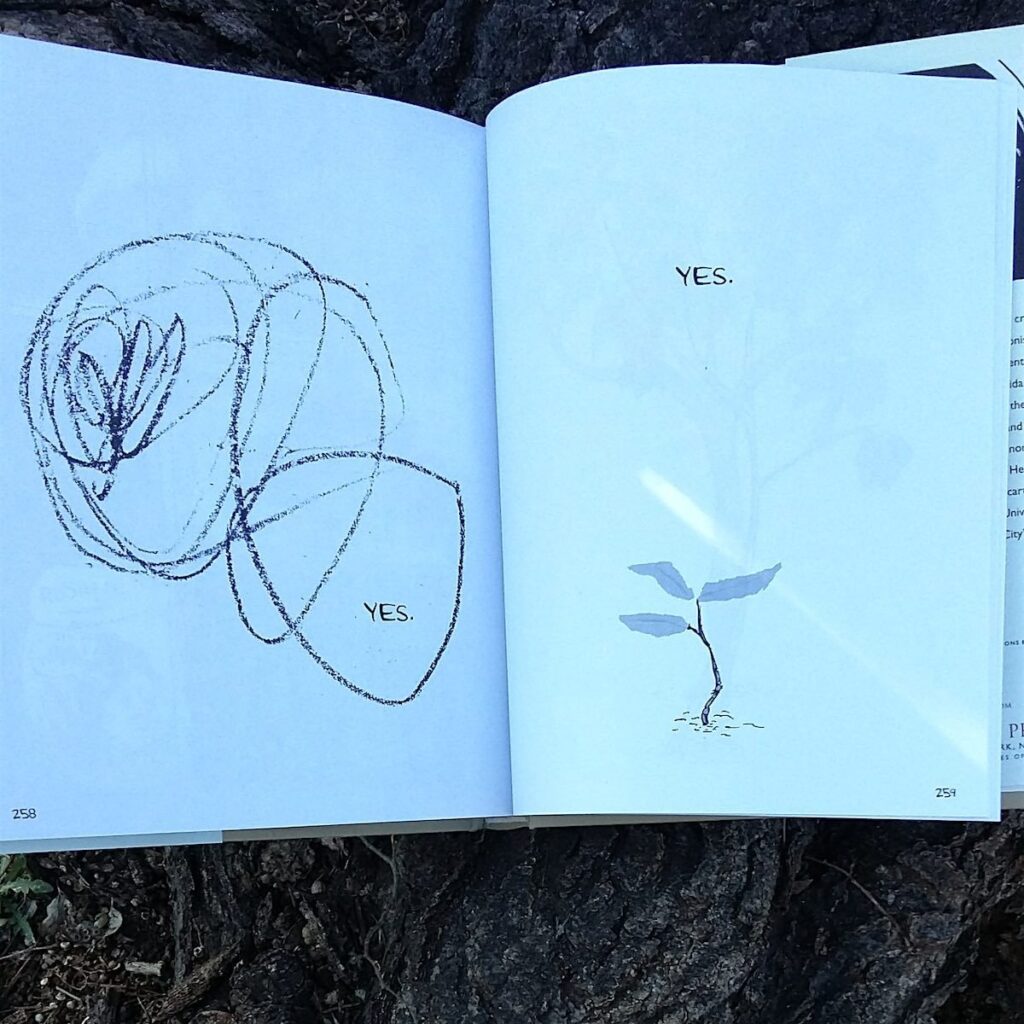
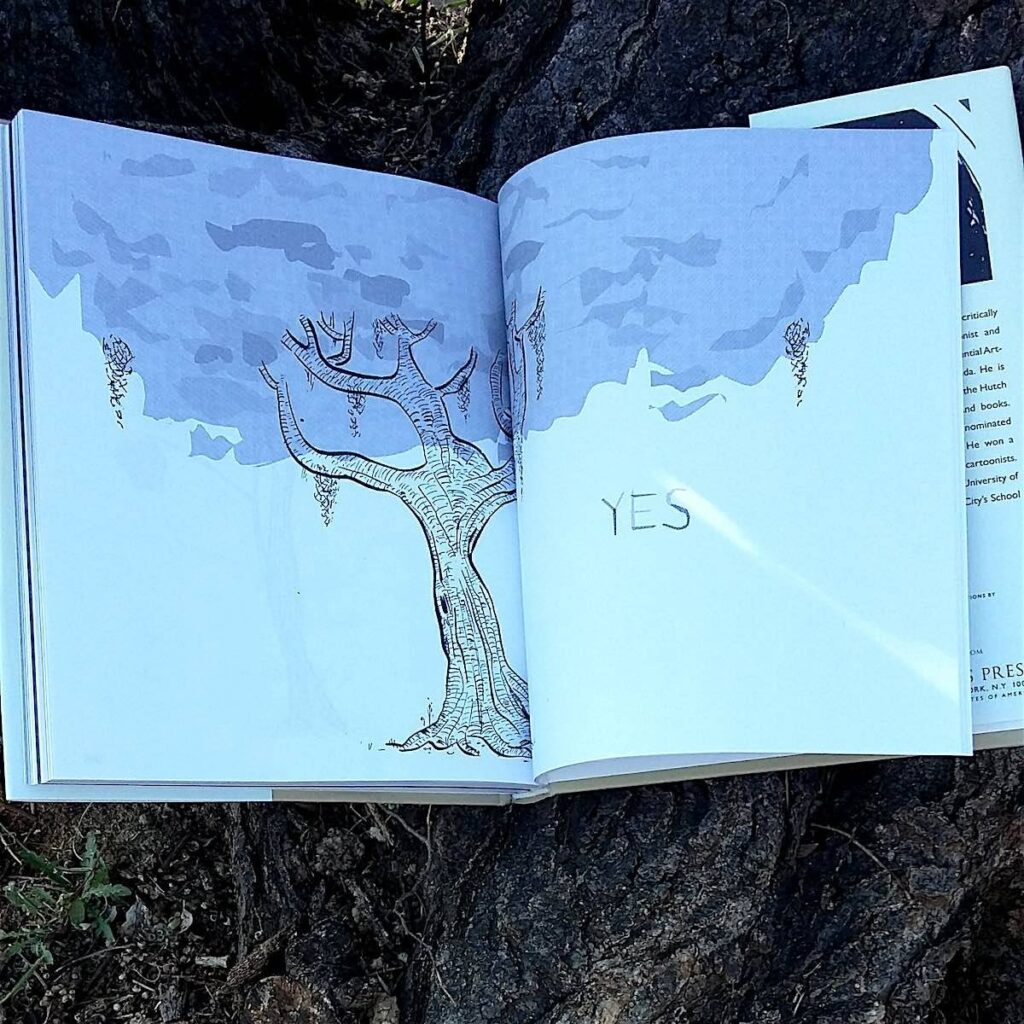
The memoir is personal but not invasive. It provides no pat resolution but instead rests on the symbolism of life that comes from one of Rosalie’s favorite objects to collect – an acorn. The closing images of the memoir show an acorn growing into a mature tree, accompanied by the repetition of the word “yes.” The affirmation feels equally willing and forced. After the death of loved ones, after all, we want to move on; we must force ourselves to move on. – Meagan Rodgers