Become a Patron!Support our reviews, videos, and podcasts on Patreon!
Cool tools really work.
A cool tool can be any book, gadget, software, video, map, hardware, material, or website that is tried and true. All reviews on this site are written by readers who have actually used the tool and others like it. Items can be either old or new as long as they are wonderful. We post things we like and ignore the rest. Suggestions for tools much better than what is recommended here are always wanted.
Aretha Franklin (1942-2018) began singing as a child in the 1950s at her father’s church in Detroit. Reverend C.L. Franklin became her manager when she was 12, so she could sing on the "gospel caravan" tour circuit. She transitioned to jazz, soul, and blues in 1960 when she was 18, recording "Today I Sing the Blues" for Columbia Records.
By 1967, she was at Atlantic Records, where she released dozens of hits, including “I Never Loved a Man (The Way I Love You), “ “Baby I Love You,” “(You Make Me Feel Like) A Natural Woman,” and her smash single “Respect” (a cover version of Otis Redding’s 1965 song, which sounded a lot different!)
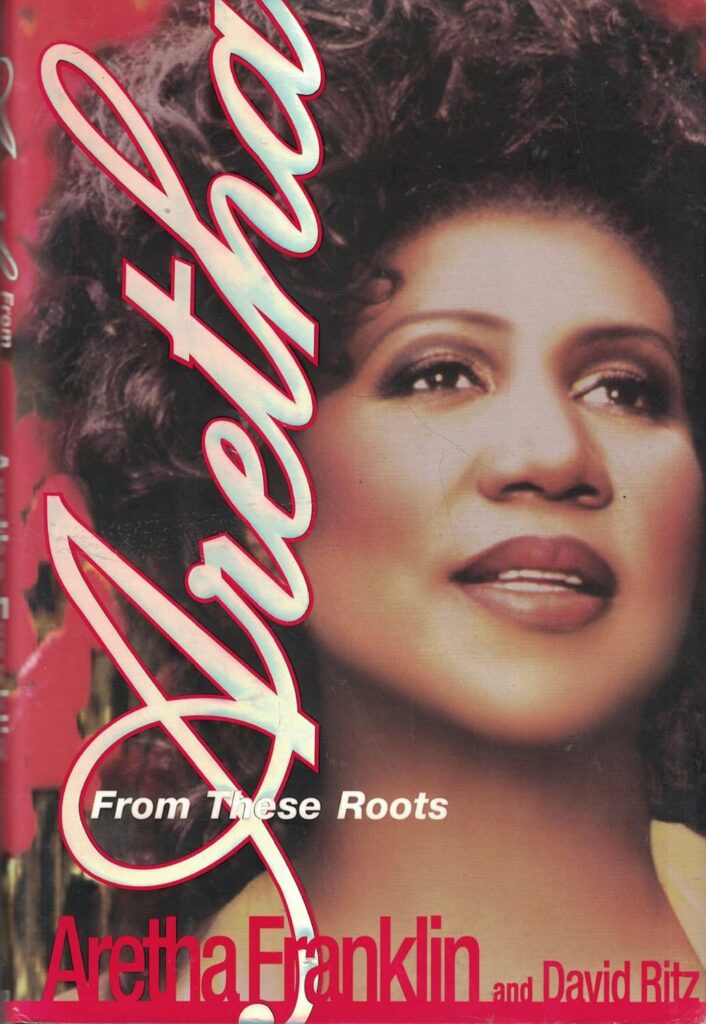
Aretha: From These Roots traces her journey from child prodigy to “Queen of Soul.”
Core Principles
1. Your Roots Are Your Power
Aretha developed her voice in the gospel tradition at her father’s church. She never forgot her roots, even when singing pop and R&B songs. Your foundation can be a source of power that makes you stand out.
2. Respect Is a Universal Need
When Aretha performed “Respect,” it touched something universal. As she wrote, “It was the need of a nation, the need of the average man and woman in the street, the businessman, the mother, the fireman, the teacher — everyone wanted respect.”
3. Humility Is the Sign of Greatness
Of Sam Cooke, Aretha wrote: “Some men can sing, charm, and shine; some are easy with their good looks, others radiate confidence. Sam had all of this and more. Yet for all his abundant talent, he exuded simple humility, the sign of a great person. He treated everyone with respect.” Great people don’t have to remind other people that they are great.
4. Balance Your Worlds
Despite being a global icon for whom the red carpet was rolled out whenever she stepped off a plane, Aretha was a homebody who loved cooking, crocheting, and gardening. She balanced single motherhood with a demanding career, and her public persona with her private self. If you have different “sides” in your own life, you don’t need to choose one over another — learn to accept and enjoy parts of who you are.
Try It Now
Identify the roots of your gifts. How did your childhood experiences and influences shape who you are and what you are good at? How can you draw on them?
Notice when you or someone else is asking for respect. What do you or they need to do to earn it?
Think of someone you admire for their talent. Do they show humility? Is there a link between the two?
What parts of your life feel disconnected? What would it look like to accept all of them instead of choosing between them?
Quote
“It was the need of a nation, the need of the average man and woman in the street, the businessman, the mother, the fireman, the teacher—everyone wanted respect.”