Day: August 29, 2025
 08/29/25
Book Freak #191: Strength to Strength
Finding success, happiness, and deep purpose in the second half of life
 08/29/25
Finding success, happiness, and deep purpose in the second half of life



Tacopedia
by Deborah Holtz, Juan Carlos Mena and René Redzepi
Phaidon Press
2015, 318 pages, 7.8 x 10 x 1.1 inches (flexibound)
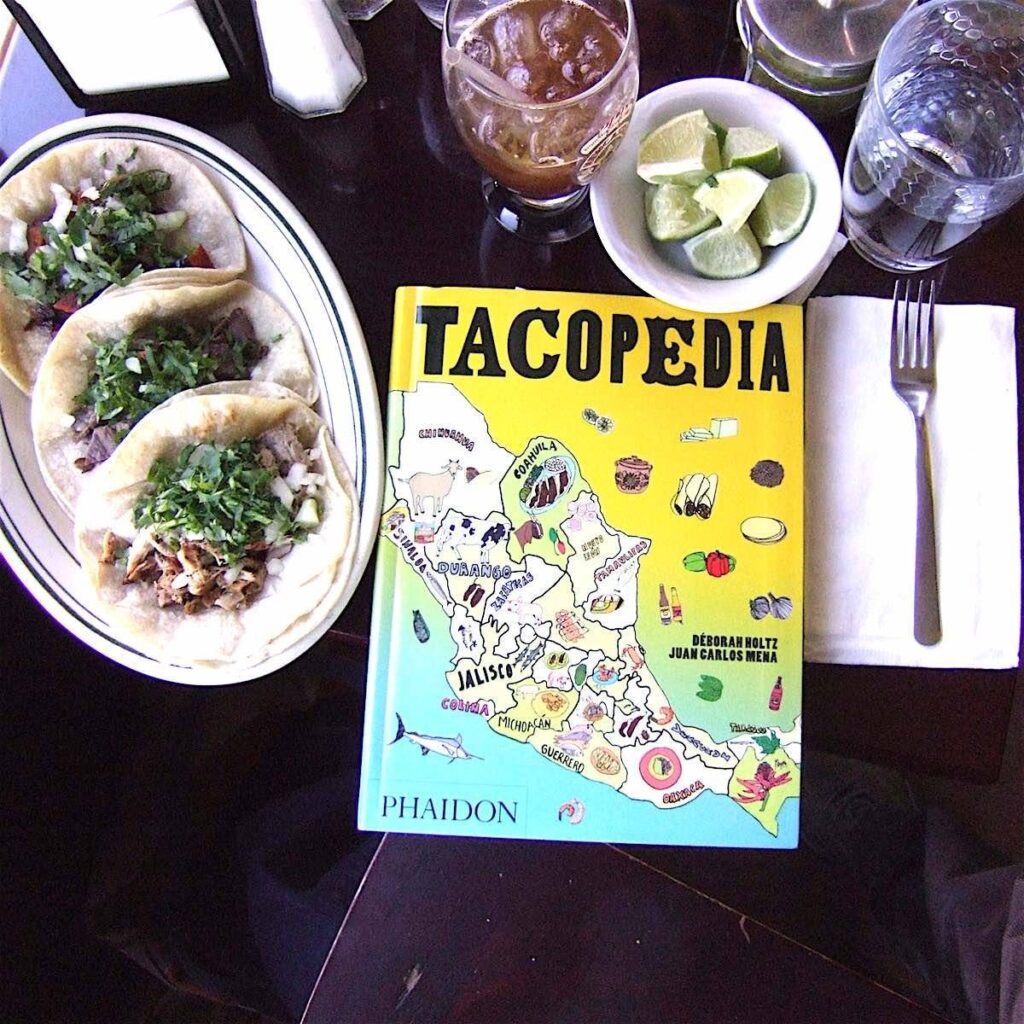
Whenever I’ve been away from NYC for a while, the first thing I always want to do when I get back is to have a taco (or three). My mouth starts watering as soon as I see the skyline. Southwesterners and Mexicans will laugh at this and feel sad for me but a good North East taco is the best option I have. So when I discovered Tacopedia through an NPR review, I immediately put it on my wishlist.
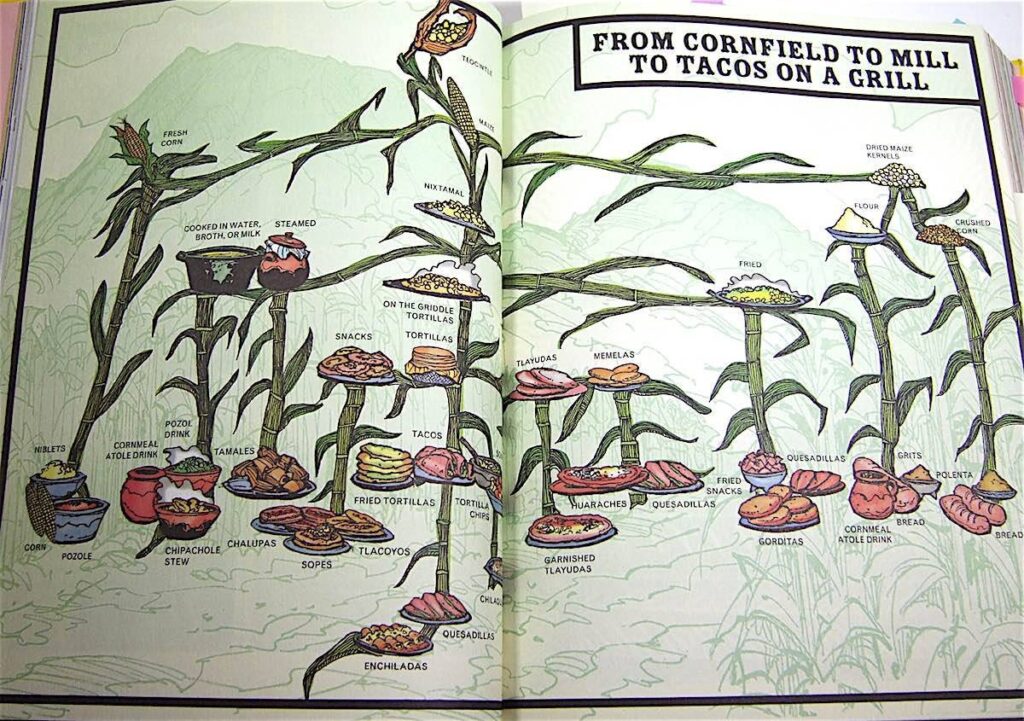
The book offers a sumptuous history of the taco, beginning circa 1000-500 BC when a legendary hero first created “nixtamal,” a malleable dough made by soaking dried corn in water and a bit of quicklime. Once rolled out and roasted, nixtamal becomes a tortilla, an “edible spoon” that can hold a near infinite variety of fillings and salsas.
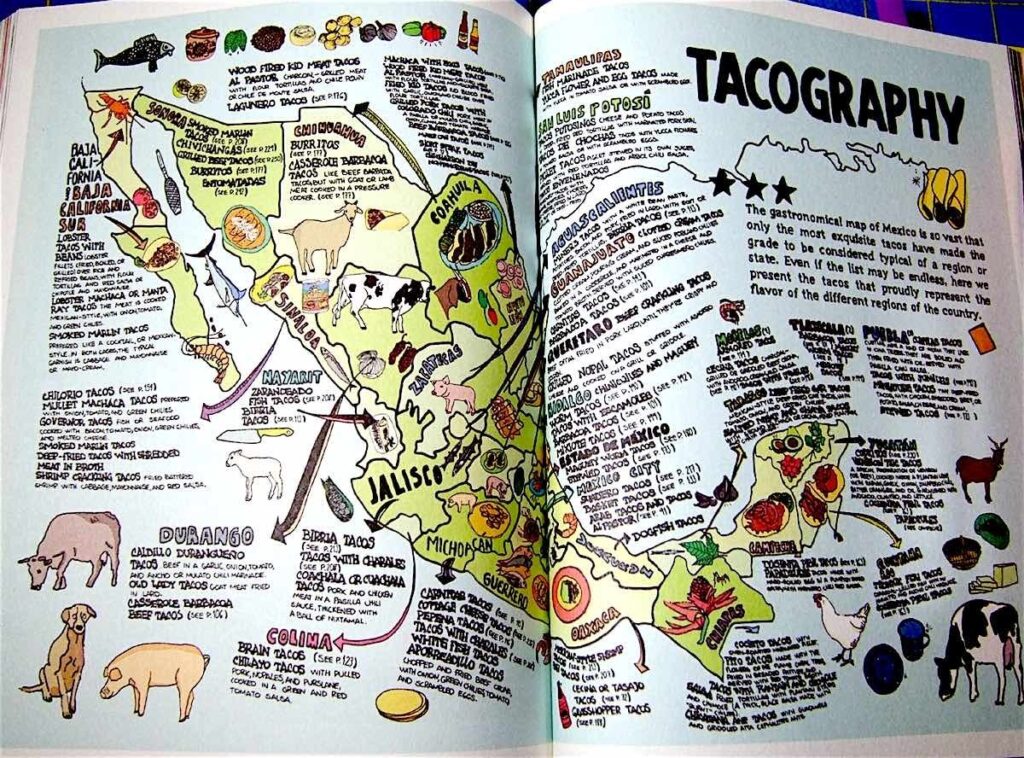
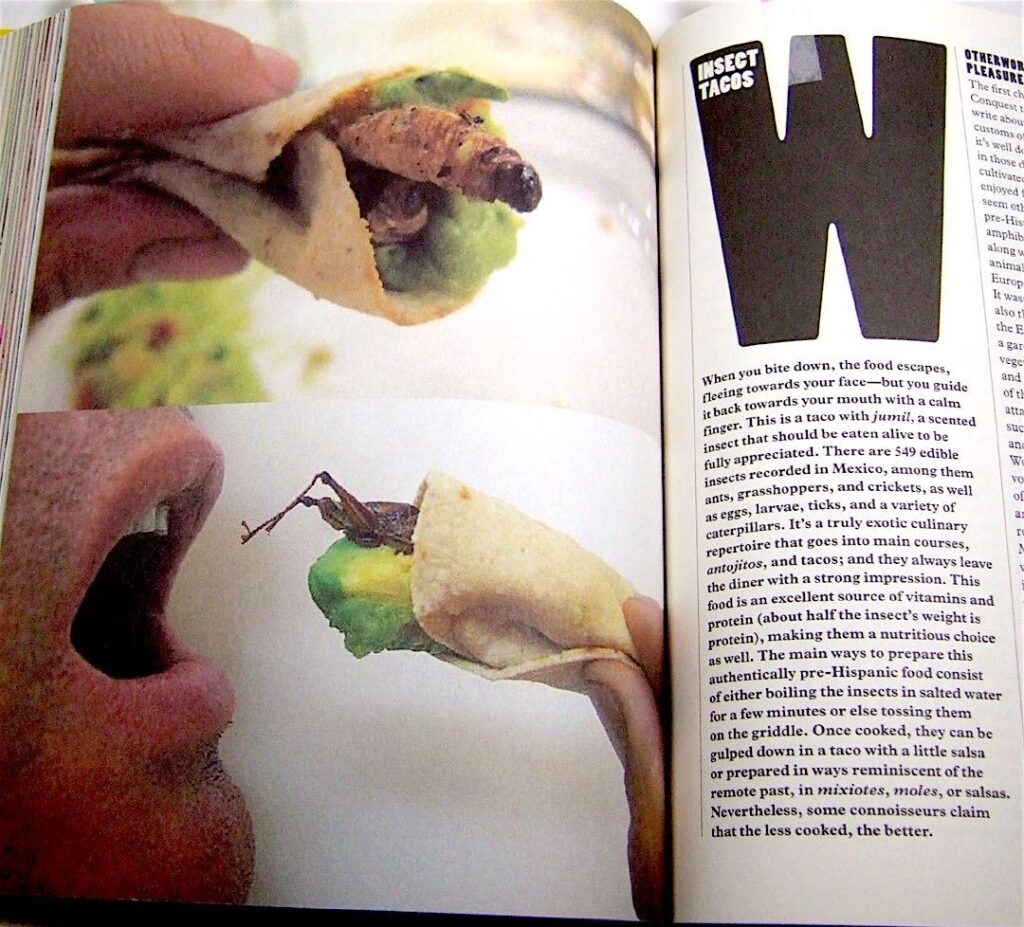
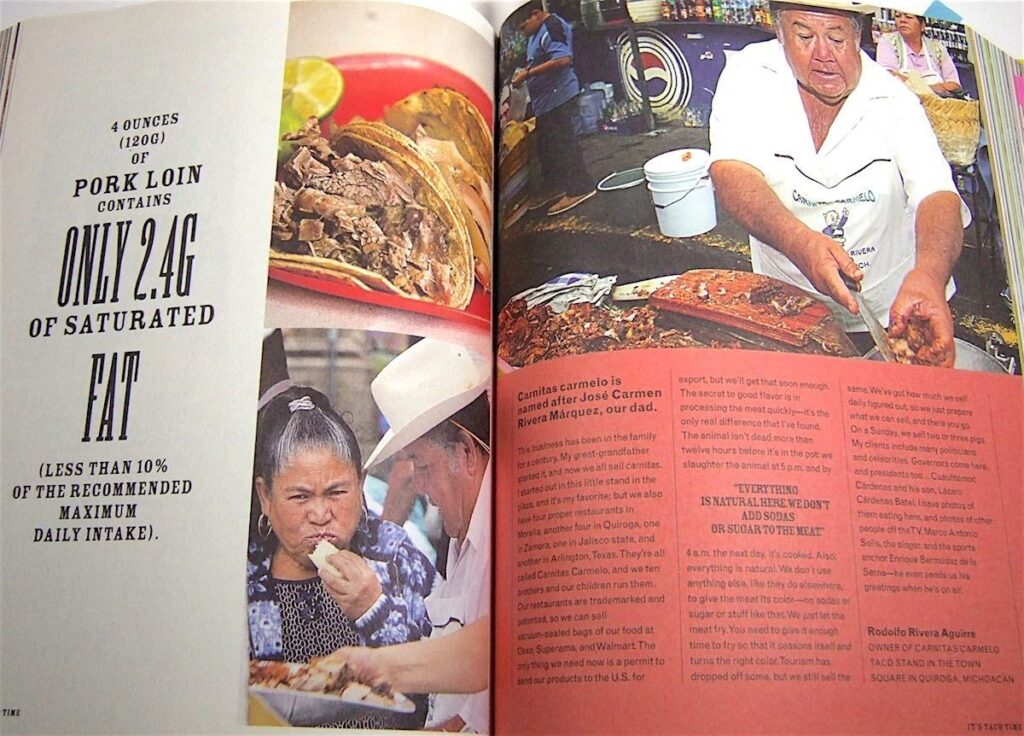
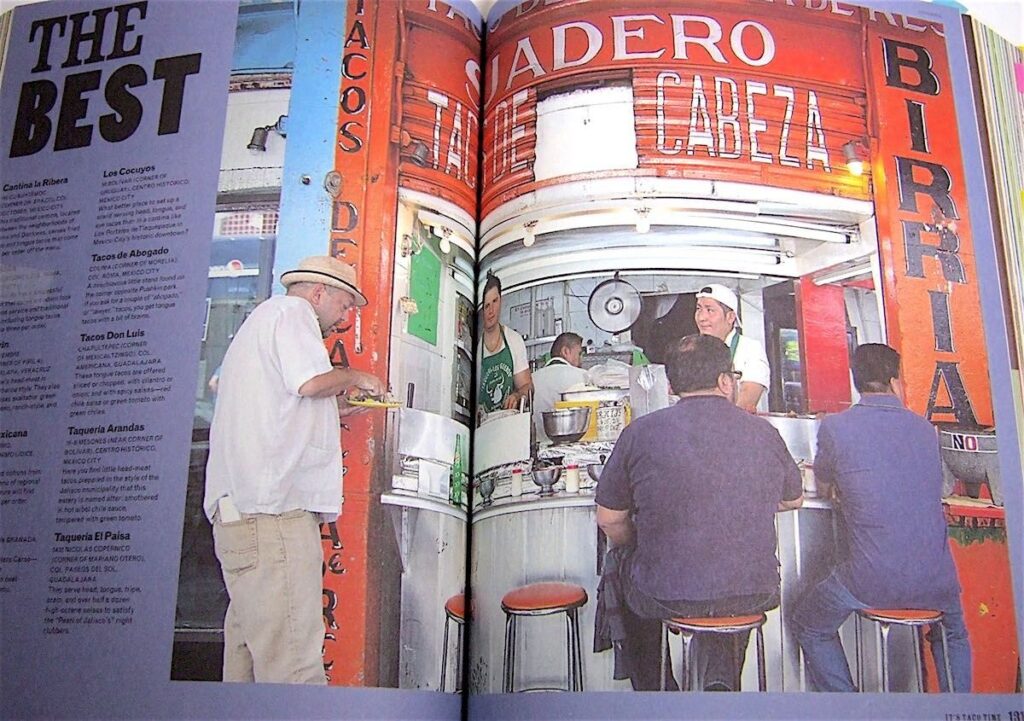
After the background chapters, the book is divided into 8-10 page sections on popular and specialized tacos, including: grilled, barbacoa (lamb roasted underground in agave leaves, served with broth), basket (morning tacos par-cooked in the container they’re delivered in), and – for the adventurous – insect (!) tacos. Each entry includes the region of Mexico where the variety originated and describes how it has evolved over the years. It then recommends a handful of restaurants – many of them, tiny stands that have been operating for generations – where you can find the best examples of these delicacies. I showed the book to friends who regularly travel to Mexico City and they verified many of the choices. It also provides recipes so you can create reasonable facsimiles of these tacos using common kitchen equipment and ingredients.
The book is beautifully illustrated with hand-drawn infographics, cartoons and proverbs about tacos, plus street scenes of Mexicans from all walks of life indulging. Tacopedia (originally published in Spanish in 2013, then translated and released in the US in 2015) would make an excellent companion reference on a foodie trip to Mexico, which I hope to take one day.
The first photo (above) was taken at Cinco de Mayo, my neighborhood taco place. – William Smith of Hang Fire Books
Rude Cakes
by Rowboat Watkins
Chronicle Books
2015, 40 pages, 9.4 x 9.4 x 0.5 inches
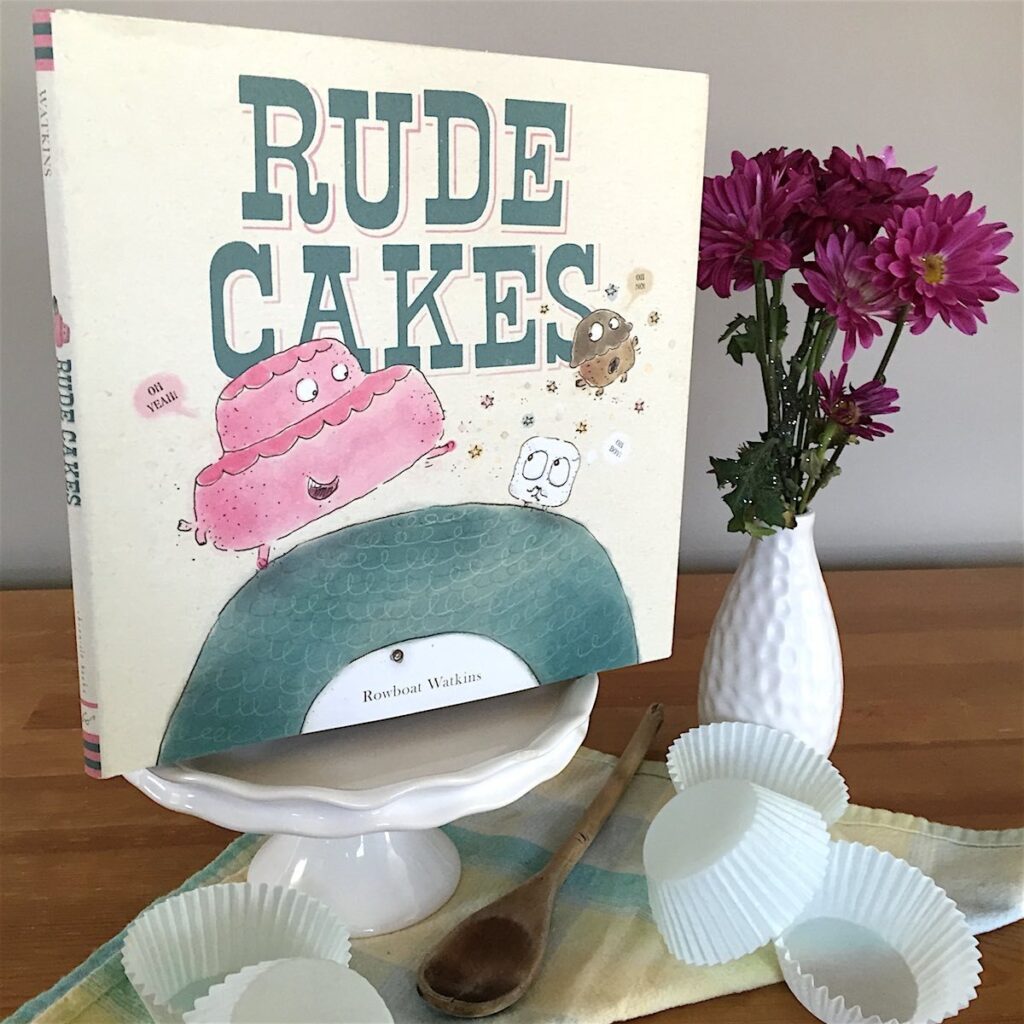
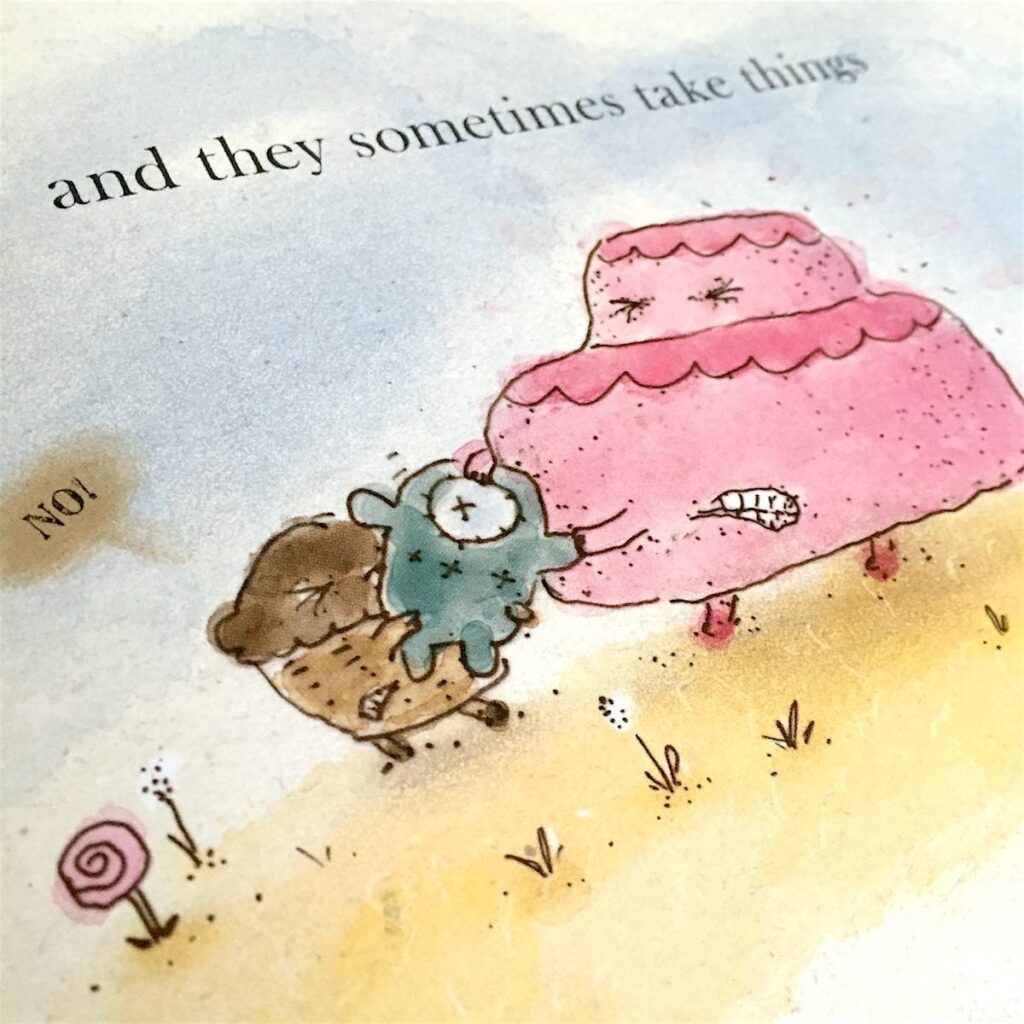
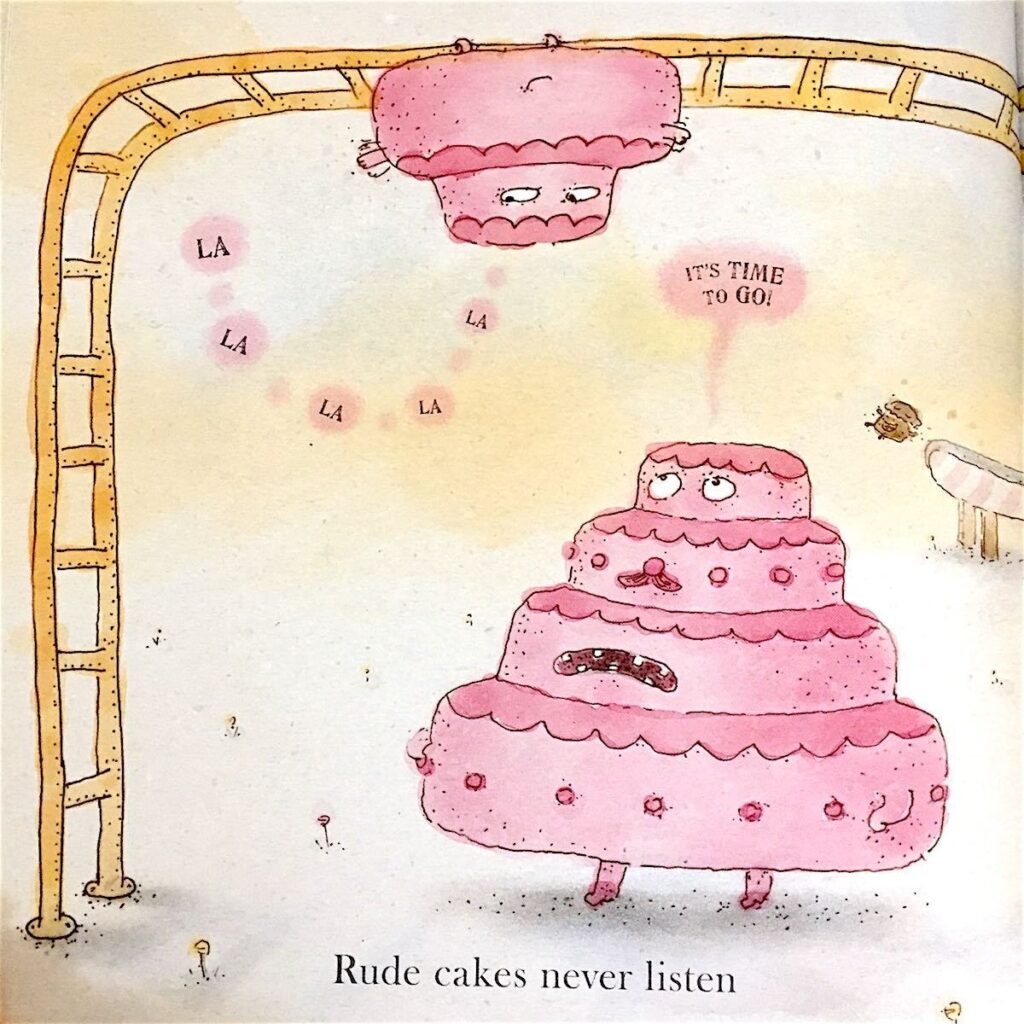
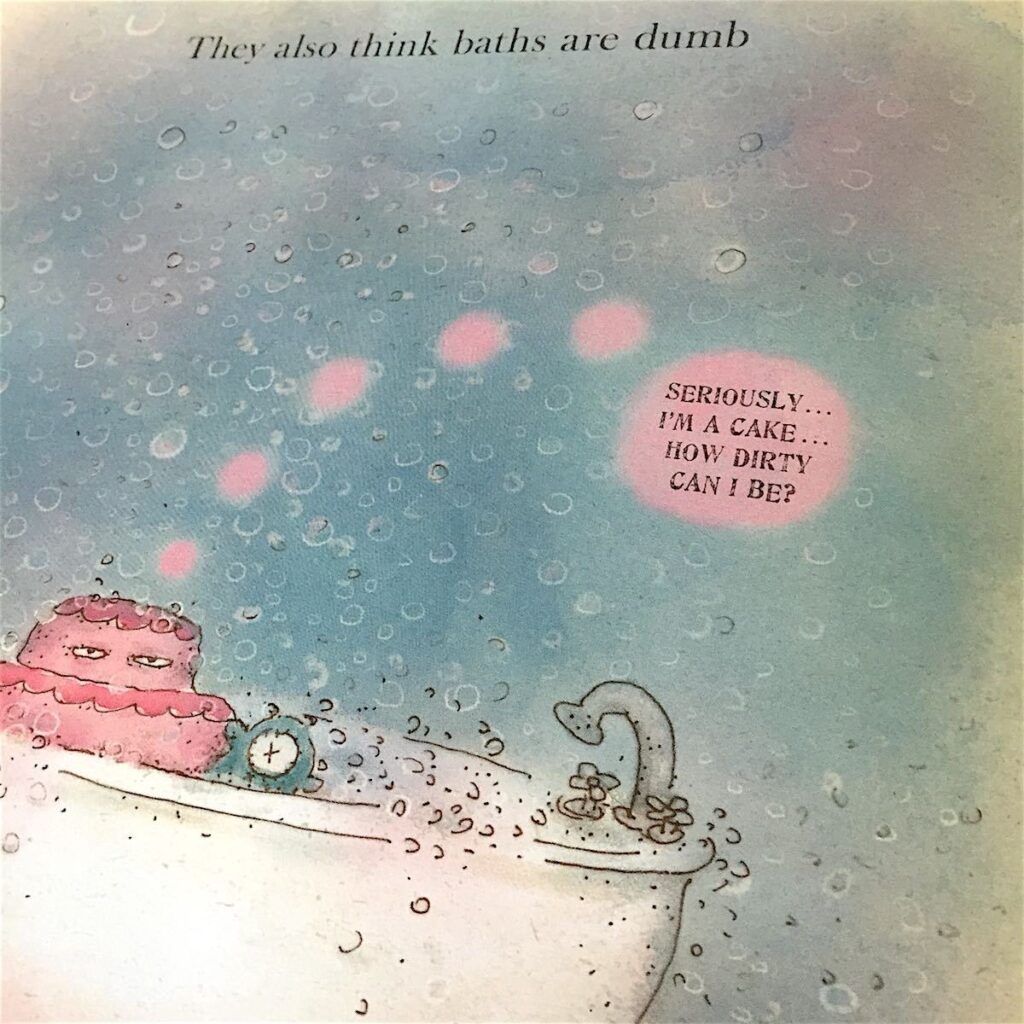
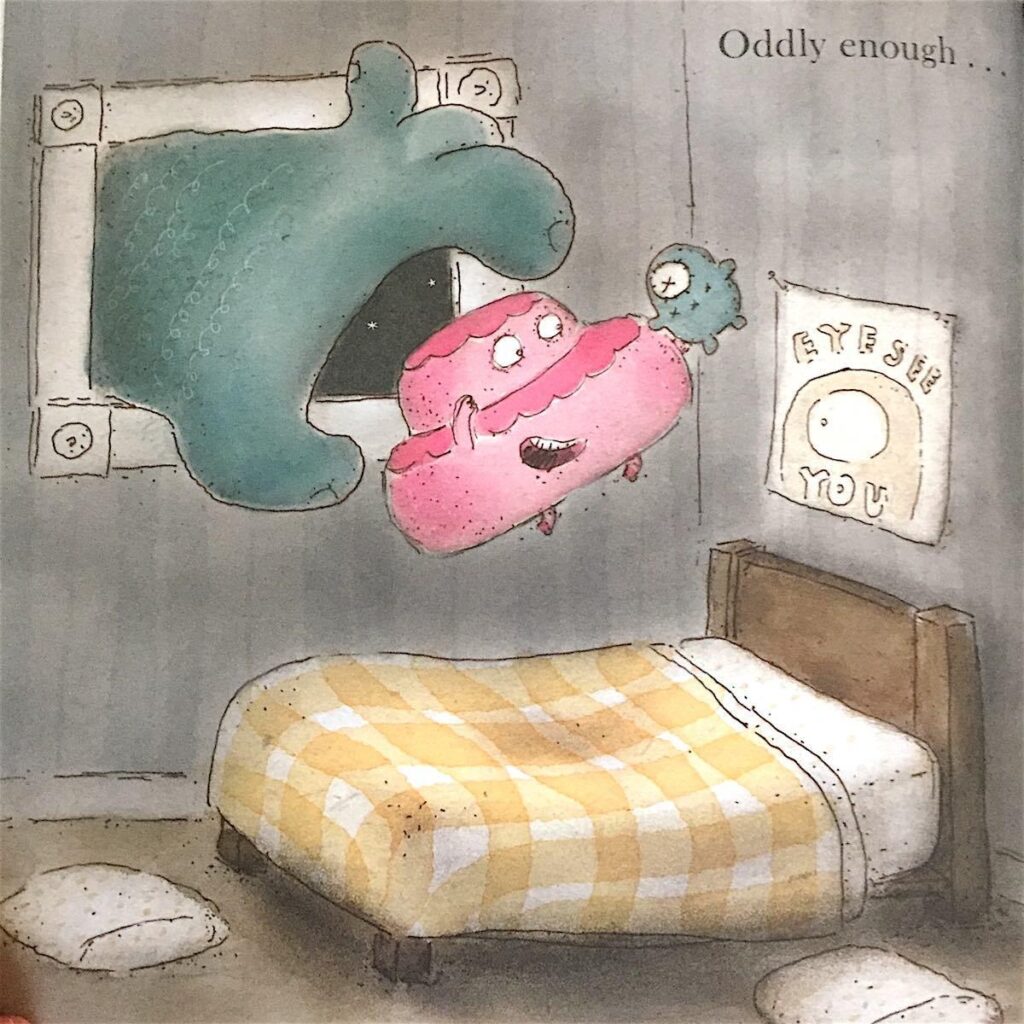
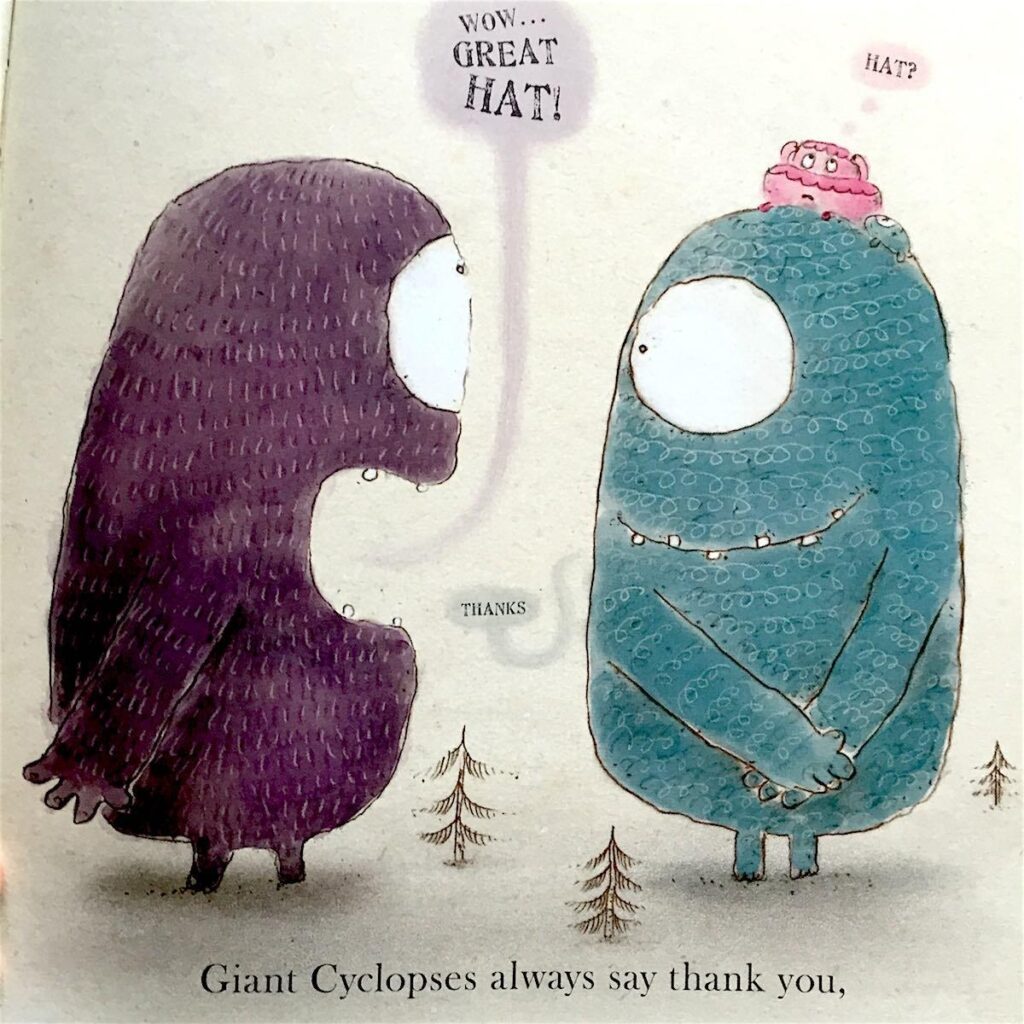
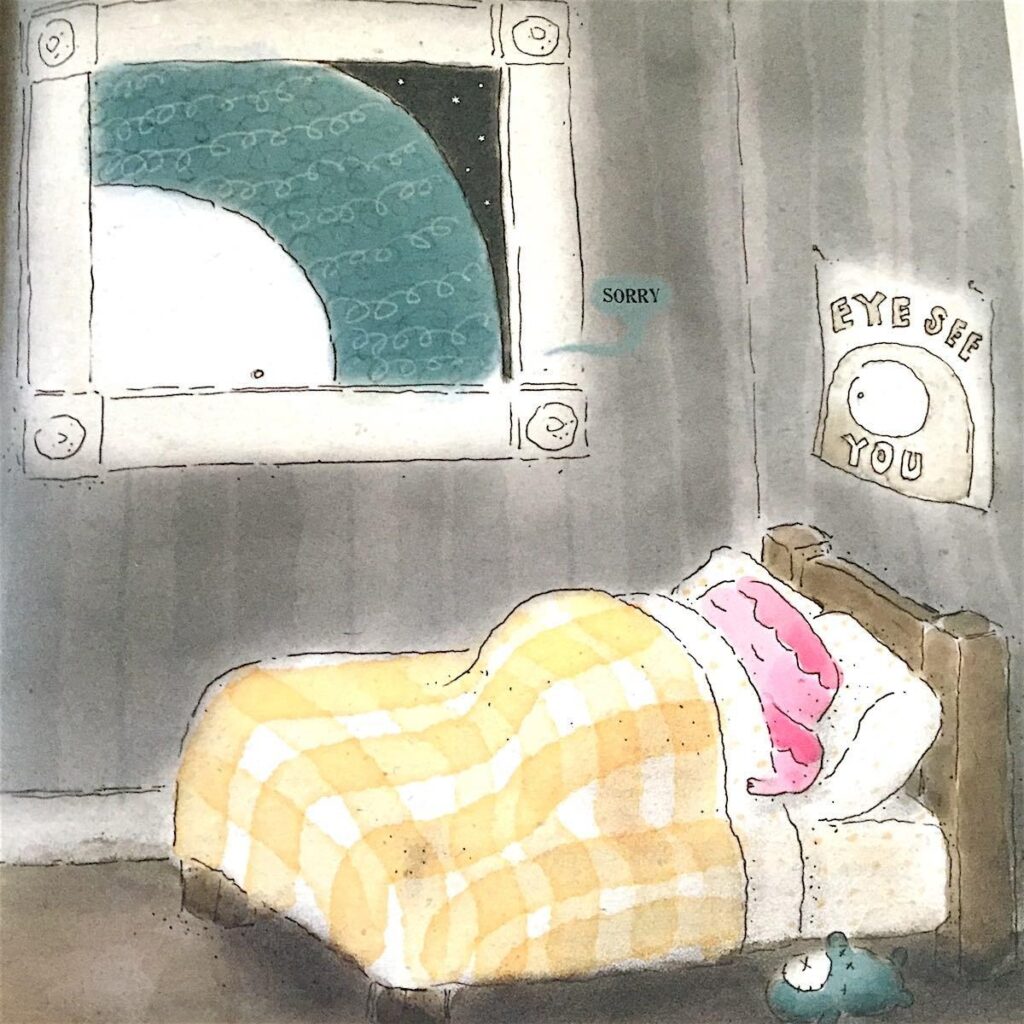
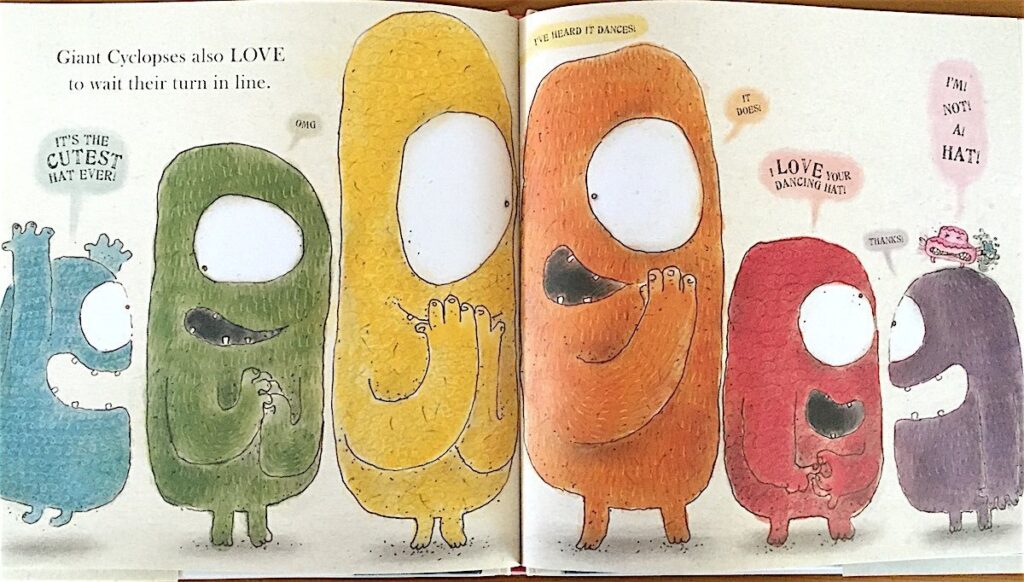
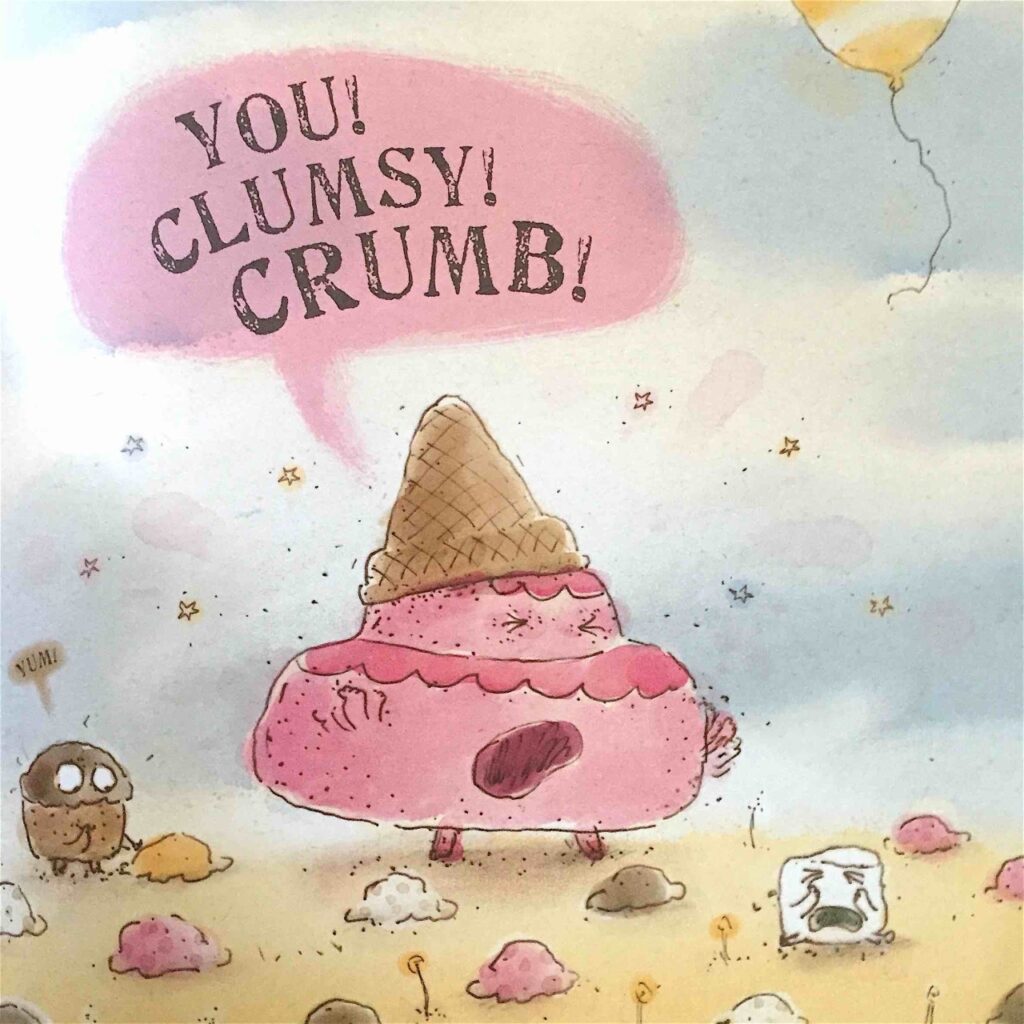
Visual puns, illustrative foreshadowing, relatable characters, and second chances: these are the ingredients that make Rude Cakes such a treat. In a world where the background is fairly barren save for a few flowers that sprout side by side with candy canes and lollipops, Rowboat Watkins’s pouty pink pastry, a two-layer cake with an attitude, takes center stage and shows us how not to behave. Luckily, we also meet a giant cyclops who inadvertently sets the rude cake straight.
Rude Cakes is not only a fun read, it’s cathartic. Grown-ups reading this book aloud to their kids will laugh in commiseration with the pastry parents’ plight of reigning in their frosted tot. For kids, there’s plenty of opportunity for indignant head shaking at the cake’s social foibles, though it’s nearly impossible to do without cracking a smile. Afterall, not even a dessert can be sweet all of the time. And just when you think that cranky cake is going to get what’s coming to him, along comes the giant cyclops to lead by example, all the while making a mistake of his own that literally gives the cake a new outlook on what it feels like not to be heard. For a book without any people in it, every character and snippet of dialogue is truly and hilariously human.
On the surface, this is a funny little picture book about learning how to behave. And even on that level, it’s great. Everyone loves a read-aloud that includes a good yell or two, and Watkins’ narrative illustrations help teach preschoolers to read both images and social cues. But after a few reads, it’s clear just how smart and thoughtful this story really is. In very few words and completely without preaching, Rude Cakes lets us laugh our way through a lesson on social skills and self reflection. – Mk Smith Despres

© 2022
