Book Freak #196: The Art of Spending Money
Morgan Housel's Simple Choices for a Richer Life
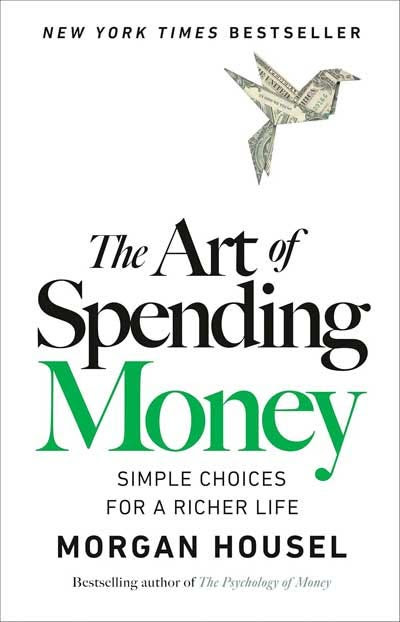
From the bestselling author of The Psychology of Money, The Art of Spending Money explores the overlooked side of personal finance — arguing that true wealth isn’t about what you accumulate, but how you use money to build freedom, meaning, and joy.
Core Principles
Use Money to Buy Freedom
Wealth is not about luxury — it’s about control. The highest form of wealth is the ability to wake up and do whatever you want. Money is a tool that buys you time, allows you to make choices about where and how you live, and provides peace of mind. As Housel puts it: “I’d rather wake up and be able to do anything I want than try to impress you with nice stuff.”
Comparison Is a Losing Game
There are two ways to use money: as a tool to live a better life, or as a yardstick to measure yourself against others. Many people aspire for the former but spend their lives chasing the latter. Spending to impress others rarely leads to happiness because there’s always something more to strive toward — and disappointment is often the outcome.
Experiences Over Possessions
Spend on things that either resist adaptation or that you can repeatedly rediscover. You adapt to your new couch almost immediately, but a meaningful trip creates memories that bring pleasure for years. The best spending often looks invisible — living in a modest home you love, cultivating friendships, preserving mental health — things you can’t display but deeply feel.
Spend Extravagantly on What You Love
The goal isn’t extreme frugality — hoarding money for its own sake is another trap. Instead, spend extravagantly on the things you truly love while mercilessly cutting the things you don’t. Think about spending in terms of minimizing future regret: no one gets a prize for dying with the highest account balance.
Try It Now
- List your top 5 purchases from the past month. For each one, ask: “Did this bring me lasting satisfaction, or was it forgotten within days?”
- Identify one recurring expense that doesn’t actually improve your life. Cancel or reduce it this week.
- Think of one thing you’ve been denying yourself that would genuinely increase your daily happiness. Permit yourself to spend on it.
- Write down what “enough” looks like for you — the point where more money wouldn’t meaningfully improve your life.
- For your next purchase over $50, wait 48 hours and ask: “Am I buying this for me, or to impress someone else?”
Quote
“There are two ways to use money. One is as a tool to live a better life. The other is as a yardstick of status to measure yourself against others. Many people aspire for the former but spend their life chasing the latter.”
02/6/26