Folding Bikes
Tools for Possibilities: issue no. 184
Quick folding bike
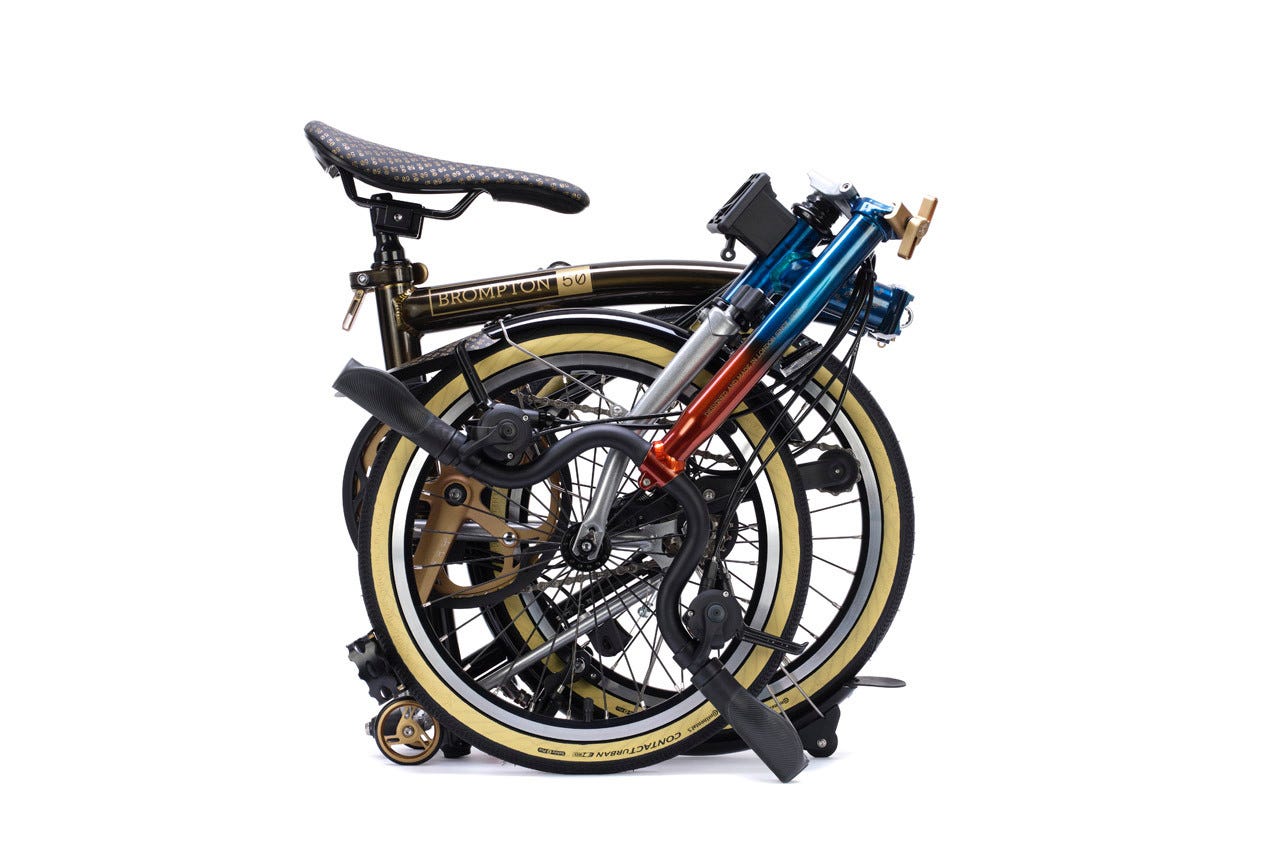
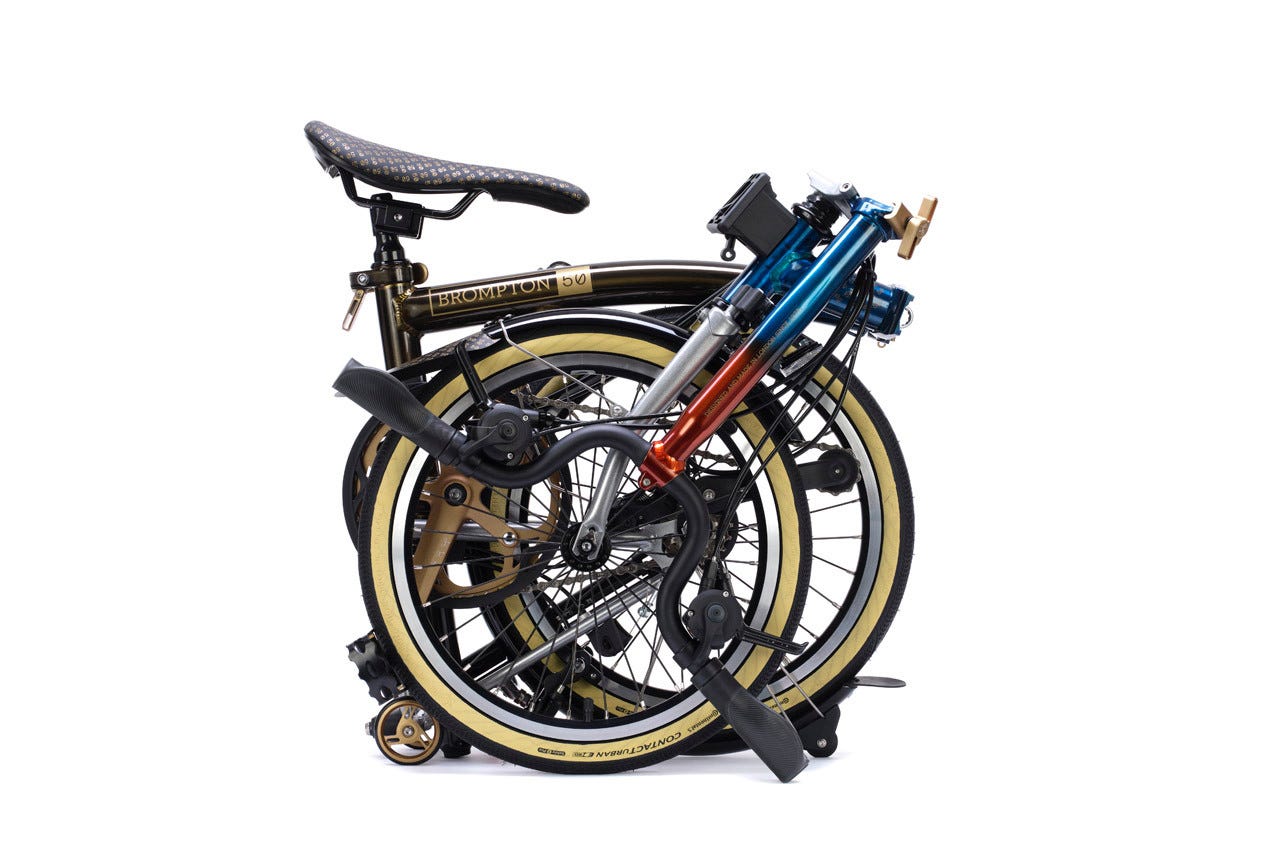
My new best friend is the Brompton T6, a foldable 6-speed bicycle made by the Brompton company in England. Living in an urban area and having a bike that folds is basically like having wheels for feet; and in the world of folding bikes, Bromptons simply cannot be matched in their compactness and riding quality. They ride beautifully and smoothly thanks to a conical rear shock absorbing block. They take about 10 seconds to go from fully unfolded to fully folded and are compact enough to take inside anywhere — metro, hotels, restaurants. I, at least, have never had a problem storing it. There are other makes of folding bikes (like Dahon) but time and time again I see people that own Dahons who simply won’t bother folding them and chain them up outside because they’re so cumbersome. What’s the point of owning a folding one? Brompton spare parts are amazingly easy to install yourself (the manual is very comprehensive and detailed in how to upkeep the bike). I bought mine six months ago and it has completely transformed my day to day existence. It’s a true lifestyle changer. Check out the front carrier accessories too. Fill that with other cool tools and that’s basically all you need.
[*Today, the closest available model to the T6 is the M6R.] — John Root
Premium folding, touring bicycles
A folding bike is a compromise between ride quality and foldability. Moulton makes great artisan folding bikes with very unique design. Brompton also makes lovely folding bikes (previously-reviewed), but kind of artisan and pricey. I like the previously-reviewed Strida if all you have to do is ride 1-2 miles to the transit station. It’s not much good if you have to ride for more than 15 minutes. Citizen Bikes are awful, but some people who have never ridden a nice bike seem to be able to tolerate it. Dahon is starting to make some pretty damn good folding bikes at reasonable prices.
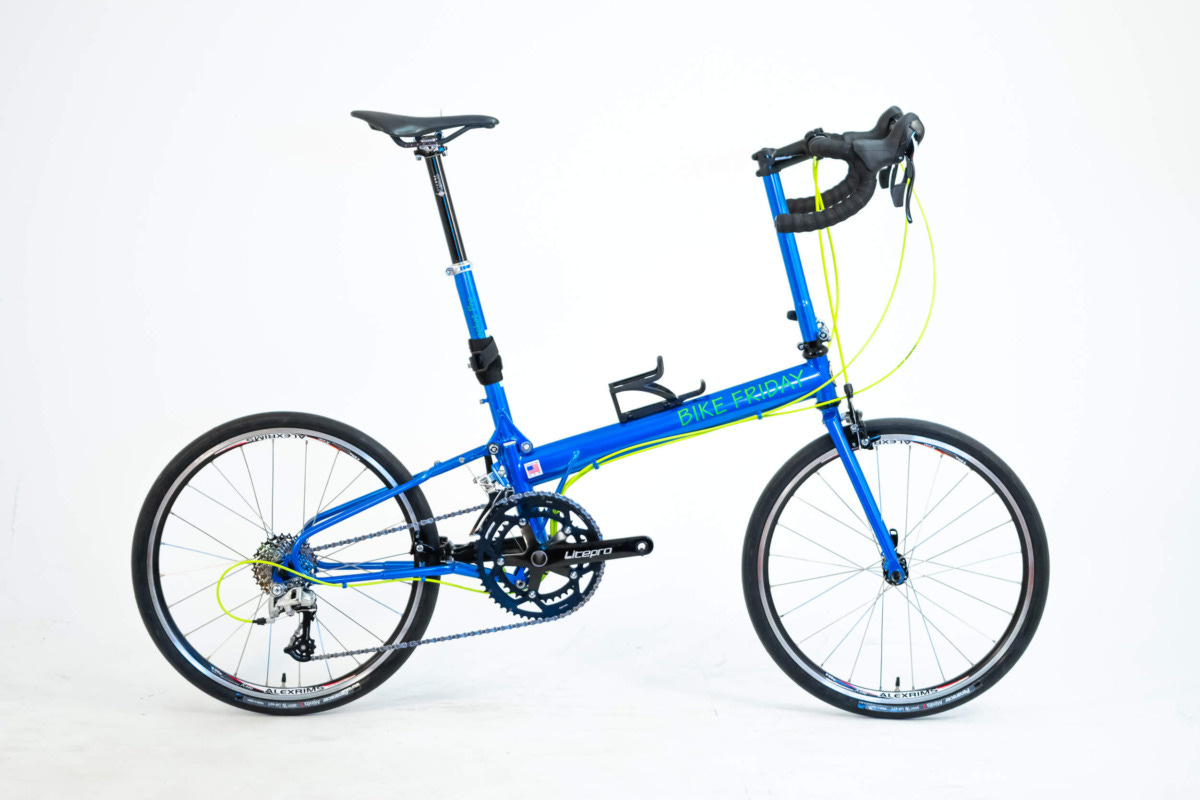
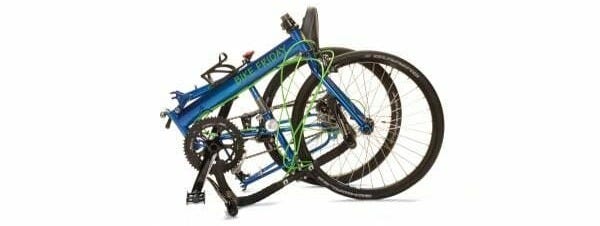
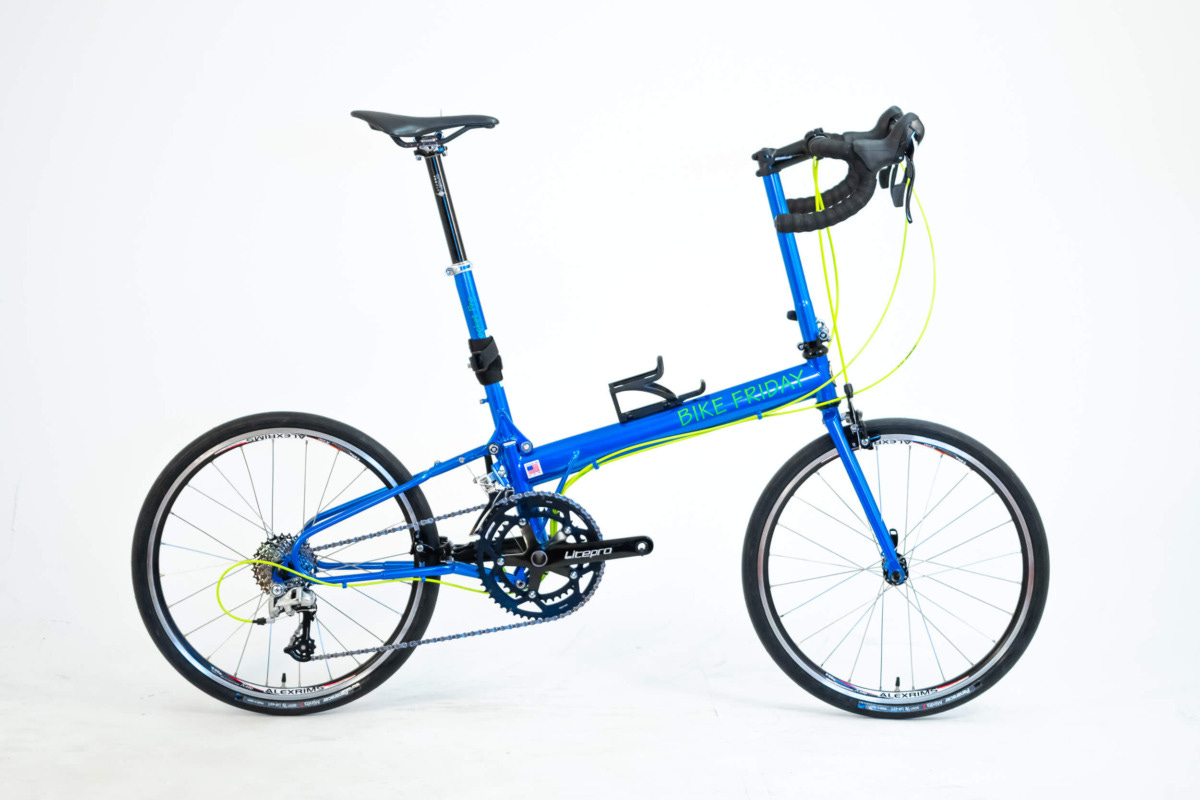
But my favorite is Bike Friday. It can fold into a suitcase that won’t incur over-charges on airplanes. Super light. Rides like a real bike, in some ways better. They have a few different models (even tandems!); I’ve ridden most of them — they are all good. I optimized my choice for quality of ride, but you can build them with ease of folding in mind by specifying what you want in terms of tools/no tools. For instance, some models require tools to fold for airline travel, but not for folding to stash on cars/buses. The Tikit models, on the other hand, explicitly requires no tools for folding at all.
These bikes are not cheap. I am a self-admitting bike snob. I value ride quality. Most low-cost folding bikes just feel cheap. The difference is in the custom-fitted frame, and better design details, higher-quality components and etc. (Bike Friday has been doing it for years). But you can get on a good Bike Friday for $1200. If you want, you can spend up to $3000 or even more for extras, but the frame is the same. These guys have great customer service, too.
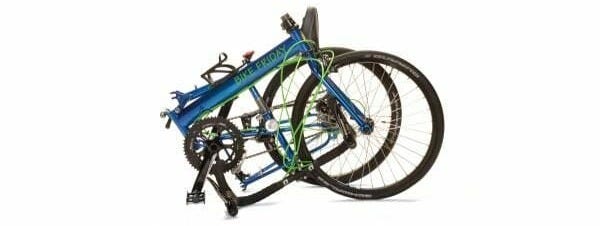
I love mine. When it was recently stolen, I was heartbroken. Bike theft is like pet death. If you see my yellow Bike Friday (it has my wife’s name “Arwen Griffith” on the top tube), throw rotten fruit and stones at the asshole who stole it. — Saul Griffith
Portable transit for urbanites
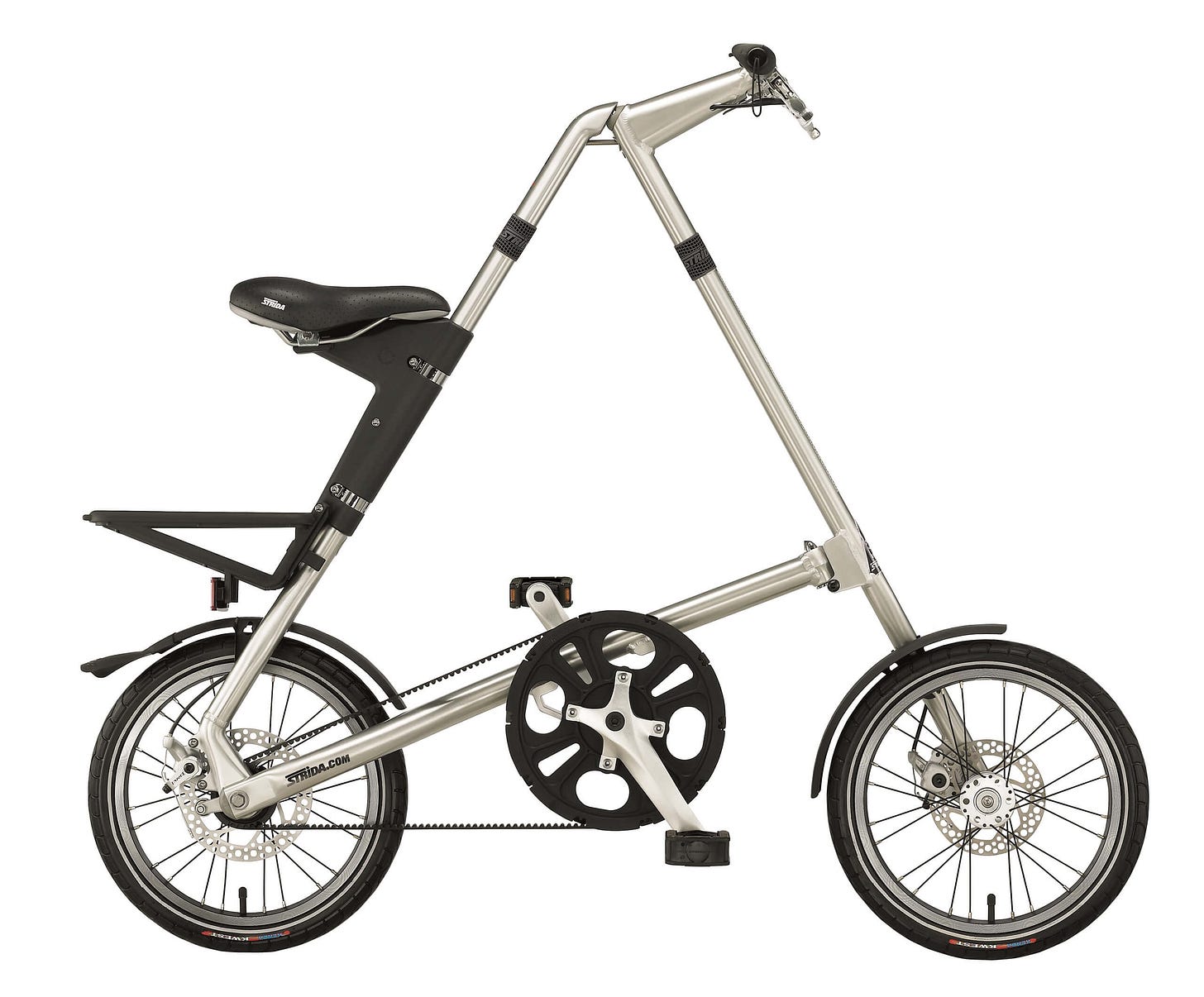
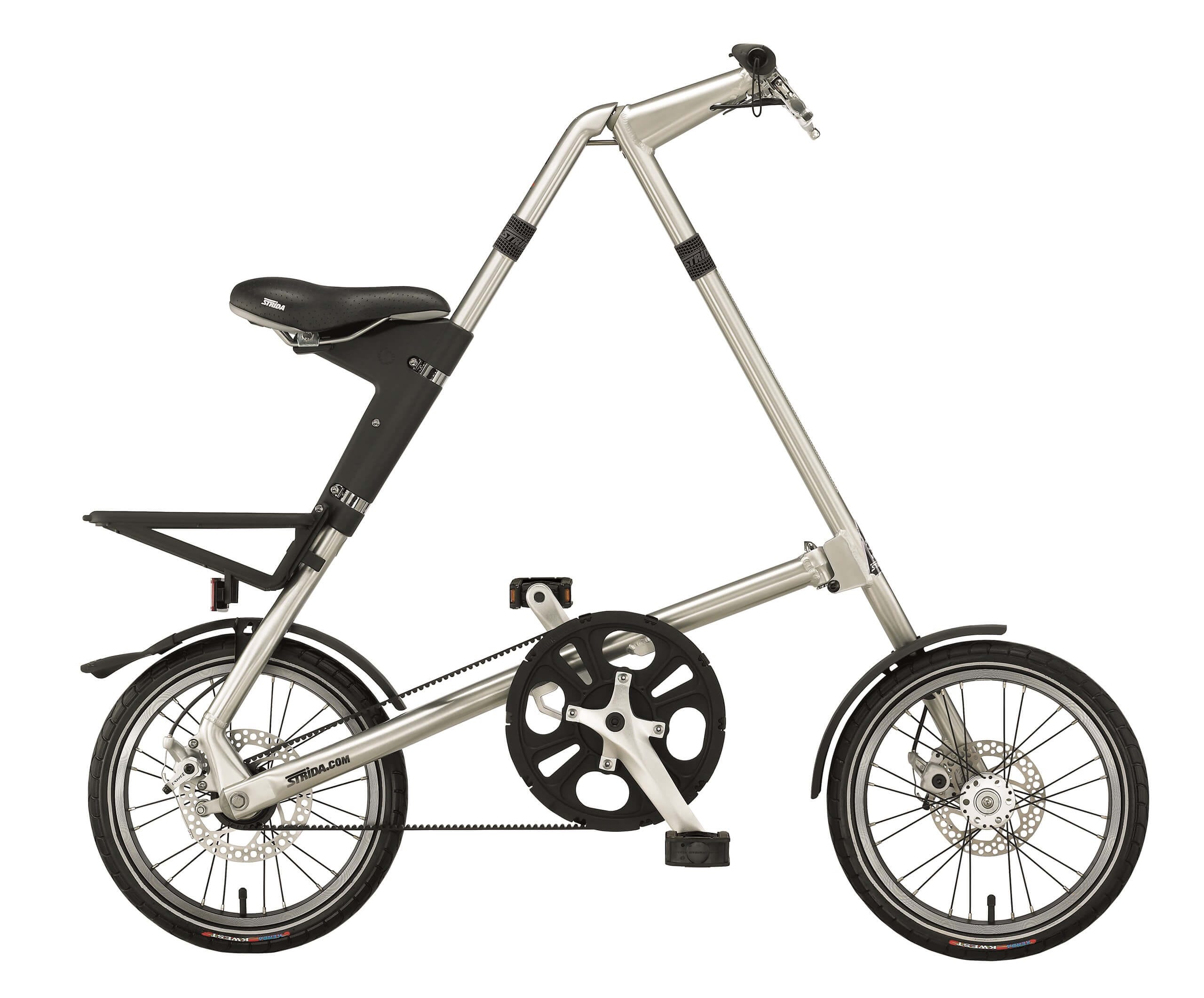
This folding bike has won both design and race awards. I’ve used it for seven years to traverse New York City, commuting two miles one way: in and out of Grand Central, the subways, buses, etc. A lot of folding bikes break down so that they’re bulky and awkward. The Strida is long and narrow, and carries like a photographer’s tripod — I can fold it while running down the platform at Grand Central. An easy way to visualize it is to picture three tubes in a triangle. Two points are hinged, and the third is a latch. When unlatched, the tubes fall together to look like a group of parallel tubes with a seat and wheels. Assembly is just forming the triangle, then click and go. This design is very clever, yet simple and robust.
The bike is unusual because there isn’t much maintenance (tire pressure and brake adjustments only). Unlike the Brompton, the Strida is a single gear with (dry) belt drive, which means no shifter or greasy chain, no tension adjustments and no caught pant legs. Even though there is only one speed, I can still climb reasonable hills. The tires are mini fat tubes, so you can jump curbs and hit potholes without any problems. The bike has a very, very tight turning radius, and while riding, your posture is quite upright – like a boulevard bike, not humped over like a road bike – so you can see traffic while riding in a suit and tie. The construction is solid, not flimsy in the least. I stripped mine down for size: removing the luggage rack and fenders so that it would easily fit in the overhead rack on the train. No one has ever bothered me for a bike pass on the trains or buses. If you buy one, be prepared: people will stop you often to ask what it is. I once had two teenage girls run out of a restaurant (and hang up their cell phones) to stop me and ask what it is. For a brief moment, I actually felt trendy! — Bruce Hartleben
Bike hacking
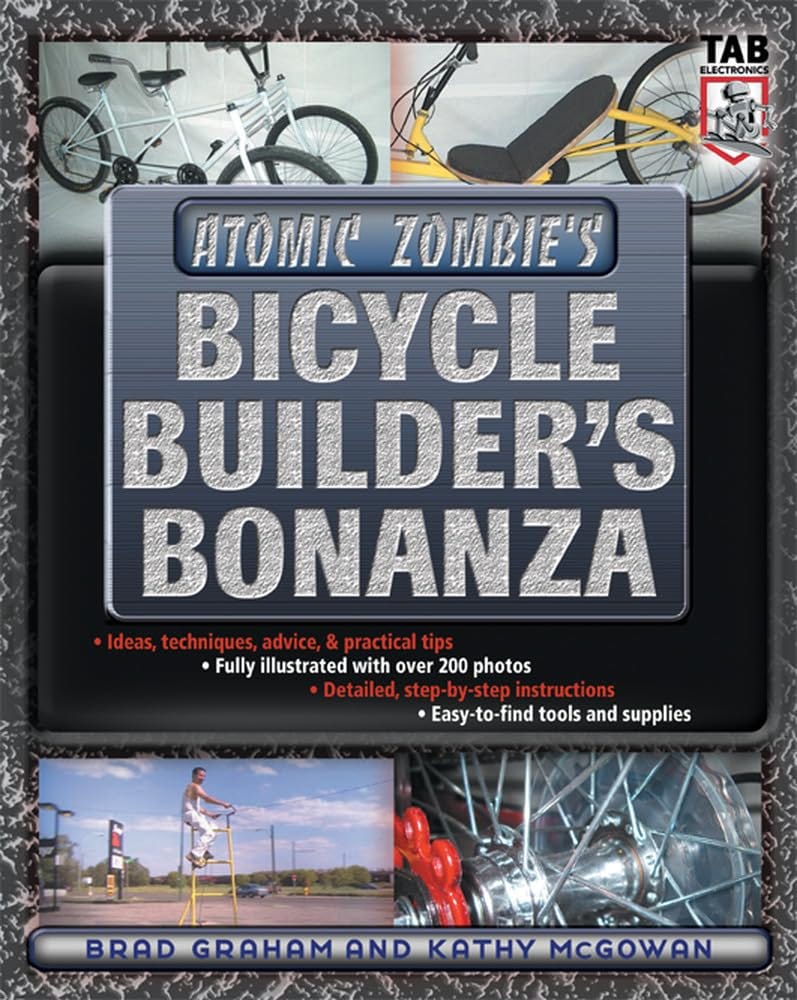
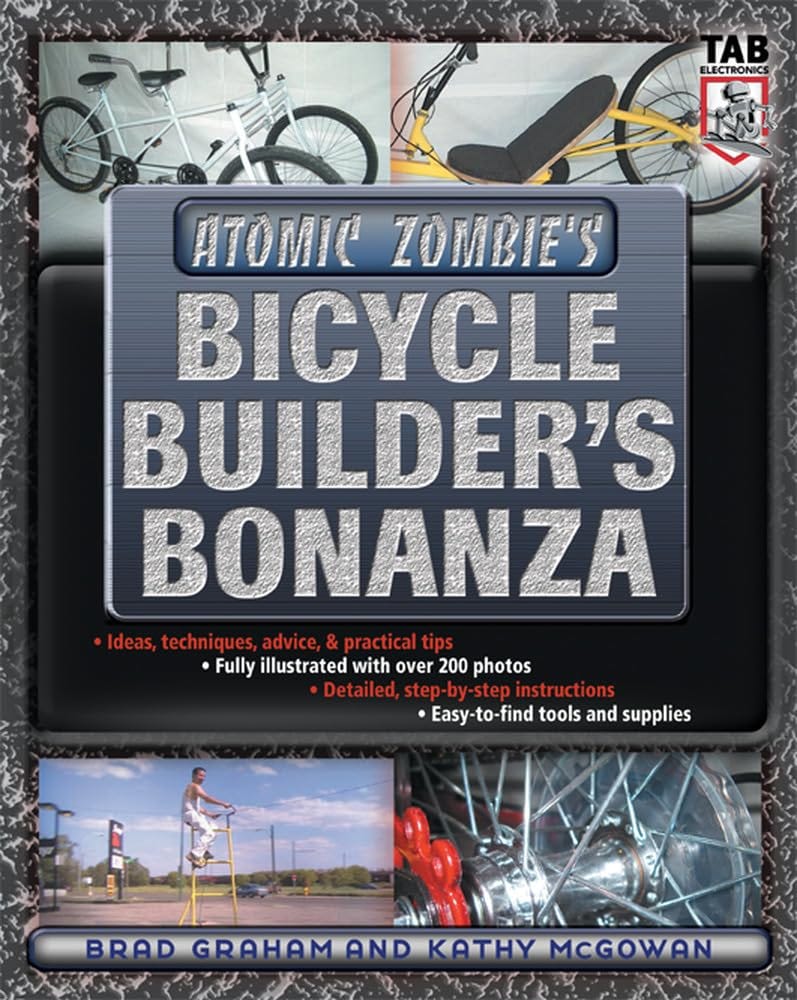
Atomic Zombie’s Bicycle Builder’s Bonanza
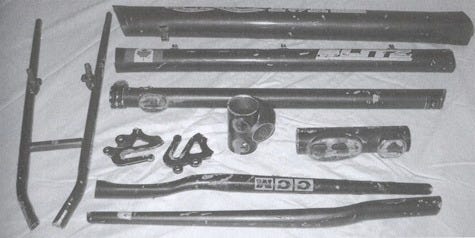
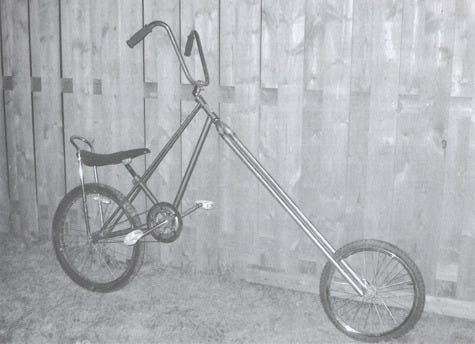
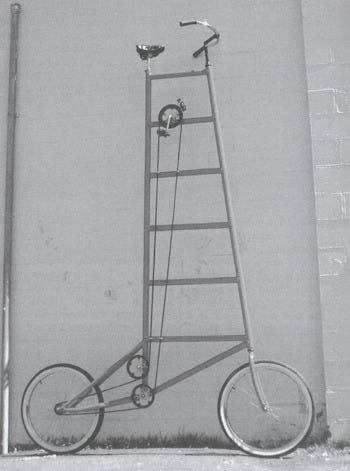
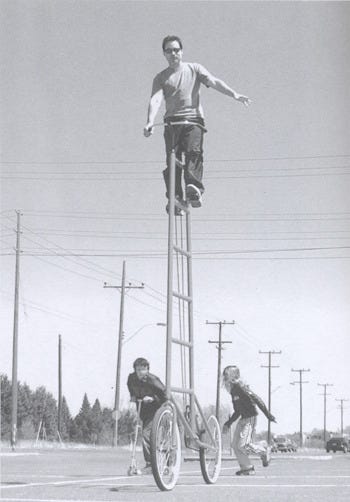
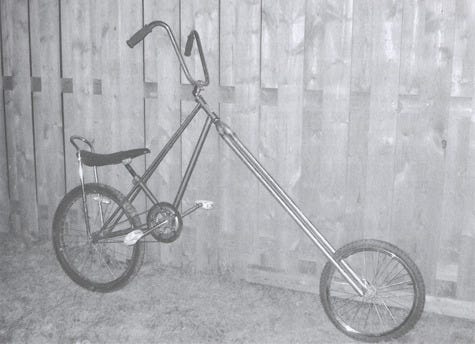
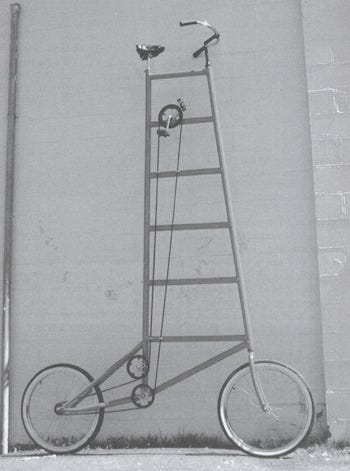
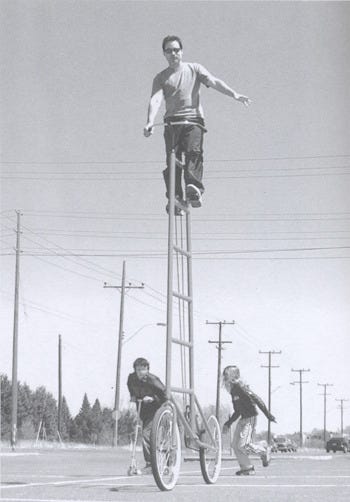
A fun and detailed guide to hacking unusual bicycles from old bike parts. With a bit of welding here and there you can take castoff bicycles and repurpose them in dozens of imaginative ways. Here are notes for customizing choppers, tandems, unicycles, and crazy stunt bikes with frames found at the dump. How to strip down a bike to its useful components, and what to keep in mind as you modify its design and performance. — KK
Once a week we’ll send out a page from Cool Tools: A Catalog of Possibilities. The tools might be outdated or obsolete, and the links to them may or may not work. We present these vintage recommendations as is because the possibilities they inspire are new. Sign up here to get Tools for Possibilities a week early in your inbox.
04/6/26