Day: July 31, 2019

 07/31/19
Canon 8×25 Image Stabilized Binoculars
Better birdwatching with an optical image stabilization system
 07/31/19
Better birdwatching with an optical image stabilization system





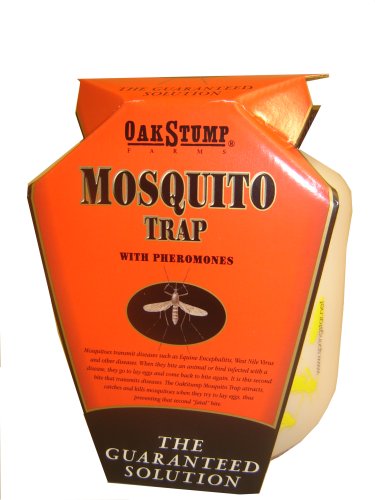
When I saw this cheap trap at Logan’s Trading Post three years ago, I figured what-the-heck, but we’ve been amazed at how effective they are. About three fourths of the way up from the bottom of the jug a tube runs through a hole in each side. Fill the jug with water up to the bottom of the transverse tube, add a pheromone pack, let it sit for a week with the top off (to make sure it gets the right attention), then close it after topping the water off. The mosquitoes fly into the tube and lay their eggs. When they hatch, the little mosquitoes can’t figure out how to get out. With luck, in about three weeks the trap will literally be swarming with skeeters.
We empty ours once a year and add new water once a month or so; as long as you break the breeding cycle early enough in the spring it’s not a big deal if you forget to water them later in the season. On our quarter-acre lot, I’ve found that three traps is plenty. So far this season, I haven’t seen a single mosquito (except for the two or three I let out when I opened up one of the traps to top it off w/water). Only one of the three traps have looked really busy this year (last year, it was two of three).
We don’t get many bugs inside. We live in an 1872 farmhouse, so we do get the occasional palmetto bug, but never up so high as to need the Bugzooka. However, living as we do, in the North Carolina piedmont, we’re plagued by mosquitoes; particularly the new “Asian Tiger” mosquitoes, which leave me and my sweetheart itching and inflamed for days after working in the garden or yard. We tried the “propane to human breath” machine (the Mosquito Magnet) for a year or so, and it simply didn’t catch any mosquitoes. The fan was not powerful enough to suck in the little buggers, so the mesh bag they said would be full of bugs was full of dust and pollen. We tried the doughnuts you’re supposed to dunk in places (like gutters) where water stands from time to time, and they didn’t help. We drilled holes in all of our trashcans and recycling bins, but they still bred mosquitoes. We heard about services that will spray some sort of natural insecticide all summer long, but they were too expensive.
With these traps, we can now work in the yard or garden or sit on our porch — one of the small joys that defines Southern living — without fear. — Steven Champeon
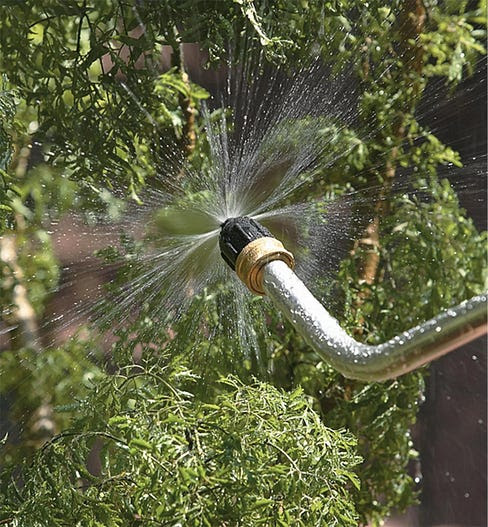
The Bug Blaster is a great insect control tool for the garden. It is completely organic–it only uses the force of water. I have used the tool for three years and love it. You just attach it to your hose and turn it on. The water is forced out a tiny hole and guided in such a way that it comes out in a fine spray that is a flat circle. Stick the nozzle in your plants and it knocks all the insects and eggs off, those below the leaves and those above.
Every gardener knows you can remove aphids by hosing the plant, but it is difficult to get the ones under the leaves. On delicate new growth, the hosing can injure the plants. But the Bug Blaster has such a fine, controllable spray that it cleans the plants of all the pests and doesn’t harm the plants. The good insects are usually hard shelled and aren’t injured. Since I bought this tool I haven’t used any other pest control method. — Terry Powell

In the 1970s British bus driver Ken Fern went back to the land. Twenty-five years later he published the first edition of this now-revised compendium, a catalog and guide to a staggering number of mostly-perennial plants that can be harvested for food and other uses. Literally, thousands of seed, root, fruit, flower and leaf crops from a range of bulbs, trees, shrubs, climbers, bamboos, water plants and more. Beyond climatic needs and appearance, plants are described in terms of their taste and, often, highly-specific use (e.g. Asarum canadense. SNAKE ROOT: “a ginger substitute in flavouring cooked foods.”). The index is conveniently broken up into edible uses, like condiments and egg and salt substitutes, and non-edible uses, like basketry, disinfectant, and tooth care; For more, check out 100 Other Uses. And actually, the Plants for a Future web site offers a searchable database of 7,000 plants. While much of the info from the book is available online, the printed format can be easier to parse and digest. There are sections on “green manures” and how to mulch with cardboard boxes or newspaper and straw, as well as how to make a pond. Despite all the ideas and potential outlined in the book, the final chapter, “Future Possibilities,” truly emphasizes the magical allure of cultivation and experimentation. — Steven Leckart
Do plants have ideas? Yes.
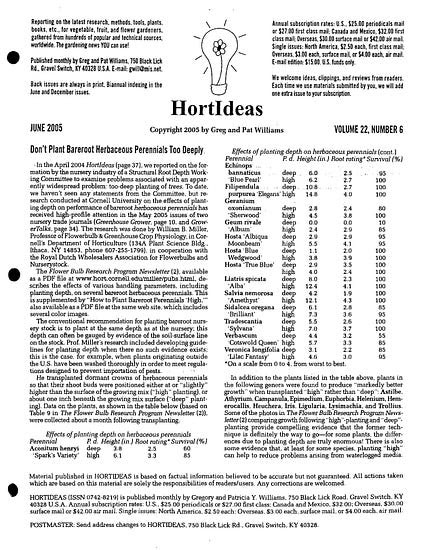
I use this monthly to troll for the best in the art and science of gardening. Each month editors Greg and Pat Williams extract the meatiest, handiest, most practical innovations in vegetable, fruit and flower horticulture. They tirelessly glean material from obscure ag-extension bulletins, garden club newsletters, seed catalogs and dusty journals, reading it all so you don’t have to, and translating it into clear English so you can use it. They run no pictures, no ads; only concepts, tools, and techniques. It’s sort of like a Cook’s Illustrated for your garden — the advice is based on scientific testing, and the tools born out of genuine need.
The newsletter is emailed as a PDF file. Because HortIdeas reports “news that stays new”, I recommend the nifty CD of all their back issues. This humble yet intelligent newsletter is an amazing service which should appeal to anyone with a love of perfecting what is possible. — KK
Once a week we’ll send out a page from Cool Tools: A Catalog of Possibilities. The tools might be outdated or obsolete, and the links to them may or may not work. We present these vintage recommendations as is because the possibilities they inspire are new. Sign up here to get Tools for Possibilities a week early in your inbox.

© 2022

