Become a Patron!Support our reviews, videos, and podcasts on Patreon!
Cool tools really work.
A cool tool can be any book, gadget, software, video, map, hardware, material, or website that is tried and true. All reviews on this site are written by readers who have actually used the tool and others like it. Items can be either old or new as long as they are wonderful. We post things we like and ignore the rest. Suggestions for tools much better than what is recommended here are always wanted.
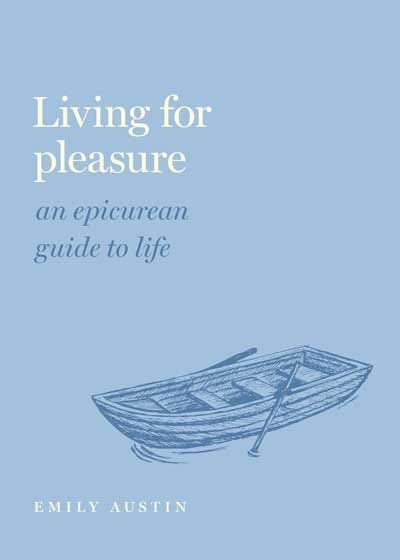
Wake Forest philosopher Emily Austin rescues Epicurus from centuries of misunderstanding, revealing that his philosophy isn’t about wild hedonism but something more radical: the pursuit of pleasure without anxiety. The result is a practical guide to tranquility that speaks directly to our age of overwork, social comparison, and endless striving.
Core Principles
Pleasure Means Absence of Anxiety
Epicurus’s insight was counterintuitive: the greatest pleasure isn’t intense sensation but ataraxia — a state of tranquility free from mental disturbance. True pleasure comes from what is absent: anxiety, fear, unsatisfied longing. Being satisfied with having what you need is itself the highest pleasure. The goal isn’t to add more but to remove what disturbs.
Sort Your Desires
Not all desires are equal. Austin identifies three categories: Natural desires (food, shelter, friendship) — pursue these freely. Extravagant desires (fine dining, enriching experiences) — enjoy occasionally without dependence. Corrosive desires (wealth, fame, power) — these are insatiable by design and generate more anxiety than they relieve. The key is recognizing which category a desire falls into before chasing it.
Friendship Is Essential, Not Optional
Nothing diminishes anxiety more than a community of trustworthy and supportive friends. Epicurus considered friendship the most important ingredient of a good life — more valuable than wealth or status. Deep relationships aren’t a nice addition to a well-lived life; they’re the foundation of it.
You Can’t Separate Pleasure from Virtue
It is impossible to live pleasantly without living prudently, honorably, and justly. Epicurus wasn’t offering a shortcut around ethics — he was showing that genuine pleasure and ethical living are inseparable. Dishonesty, cruelty, and injustice create anxiety; integrity creates peace.
Try It Now
Identify something you’re currently striving for. Ask: Is this a natural desire, an extravagant desire, or a corrosive desire? How would satisfying it actually change my daily experience?
Notice a moment of anxiety today. Pause and ask: What am I afraid of losing, or failing to get? Is that fear proportionate to reality?
Think of a pleasure you recently pursued that left you feeling worse afterward. What category of desire was driving it?
Consider your friendships. Are you investing in deep, trustworthy relationships — or spreading yourself thin across shallow connections?
Try Epicurus’s thought experiment: Imagine having “enough” — your needs met, anxiety absent, good friends nearby. What would you actually add? Maybe you already have more than you think.
Quote
“Nothing diminishes our anxiety more than a community of trustworthy and supportive friends.”