Become a Patron!Support our reviews, videos, and podcasts on Patreon!
Cool tools really work.
A cool tool can be any book, gadget, software, video, map, hardware, material, or website that is tried and true. All reviews on this site are written by readers who have actually used the tool and others like it. Items can be either old or new as long as they are wonderful. We post things we like and ignore the rest. Suggestions for tools much better than what is recommended here are always wanted.
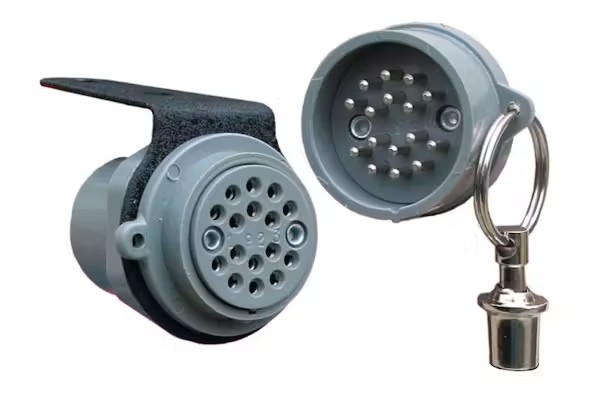
Two years ago I caught someone trying to steal my car. They were doing it in a way that would not set off my alarm. That prompted me to do a bunch of research about the current state of the art of auto security. Much to my chagrin, most of the items on the market right now are easily defeated by car thieves. There was only one product that everyone said worked. Called a Ravelco device, it consists of a multi-pronged plug and socket that disables multiple electrical systems in your car. They claim that in 29 years and in an installed base of 3 million cars, not one of those cars has ever been stolen.
So I got it. They sent a technician to my house to do the install and he did an excellent job. The solution is simple and elegant. It is not an alarm but a device that makes your car undriveable. It uses a coded dongle and the installer will pick multiple systems (electrical, fuel) that are disabled when the dongle is removed so even if the starter is hotwired, the car cannot run without the dongle. The installer will also go to great pains to disguise where wiring has been spliced. My experience with other mass-installed alarm systems is that they use bright red wire for power and always put the controller and the siren in the same spot.
I have used the Ravelco for several years now. It is completely foolproof and couldn’t be simpler to operate. When you pull the dongle, the car stops and cannot be restarted, period. No false alarms, no waking the neighbors. I feel confident parking my car almost anywhere. They give you two dongles up front and you get a code to order new ones from the company if you should lose one. That being said, we have had some exciting moments when my wife temporarily misplaced her dongle once.
Then two weeks ago I accidentally left my car door open overnight. When I opened the car door to go to work I realized my mistake. Someone had been in my car and had opened my fuse box to look for the alarm shutoff. They had also opened my hood to start the car. The Ravelco had completely foiled them. I love it! — Kurt Wendelken
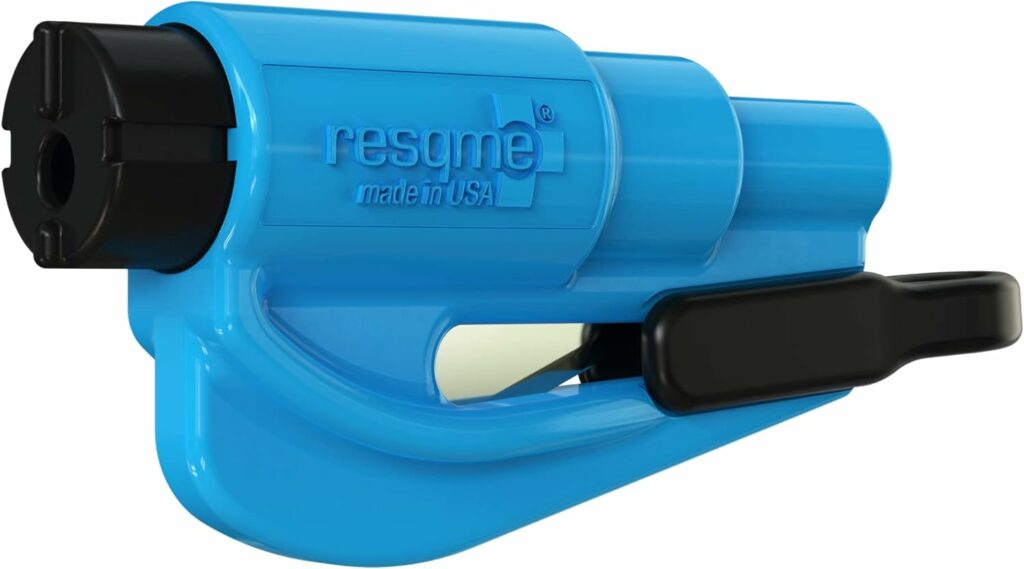
The ResQMe tool is something that I believe everyone should own, but I pray that no one will ever need to use.
I have been fortunate enough to have never needed to use this tool myself, but through my work as an EMT I have come across more than one situation where my patients may have benifited from this tool, and one situation where I honestly believe that this tool could have been lifesaving.
When you have been involved in a serious motor vehicle collision your adrenaline starts flowing and, if you are like the large majority of people, your fight or flight instincts kick in and thinking rationally can become a challenge.
If it is safe to remain in your vehicle, that is certainly your best course of action. But in some situations this is simply not an option. If for example the vehicle has entered water, if chemicals or fire are involved, or if you are in an isolated area and assistance is simply not going to find you in your current location it may be necessary to vacate your vehicle. Seatbelt mechanisms may become jammed and pushing the release button may no longer work. Electric windows may no longer work if the electronics were damaged by the collision.
In order to get out of the vehicle you need to find not only an alternate way to undo your seatbelt, but a means of breaking a window specifically designed not to be easily broken, and you must do both these things while in a near panicked state. With other tool combinations that I’ve used the seatbelt cutter and the window punch have been separate and have had no means of attaching to a keychain.
As a rescuer, these independent devices work well. However, if you are the person trapped inside the vehicle you don’t have time to be reaching around looking for one tool, let-a-lone two. Having the ResQMe attached you key chain means that you will almost always be able to escape from your vehicle. — Caity
Locking yourself out of your vehicle is nigh inevitable. Whether your keys are lost, misplaced or dangling tauntingly from the ignition of your locked rig, you’ve got yourself in a pickle. A recent review of a trailer-hitch key vault proposed a nifty, albeit pricey method to ensure you’re not stranded.
But for those too frugal to spend $65 on a solution, there’s a cheap and effective solution that has saved my bacon on a number of occasions, including out in the middle of nowhere after losing my keys in a trout stream.
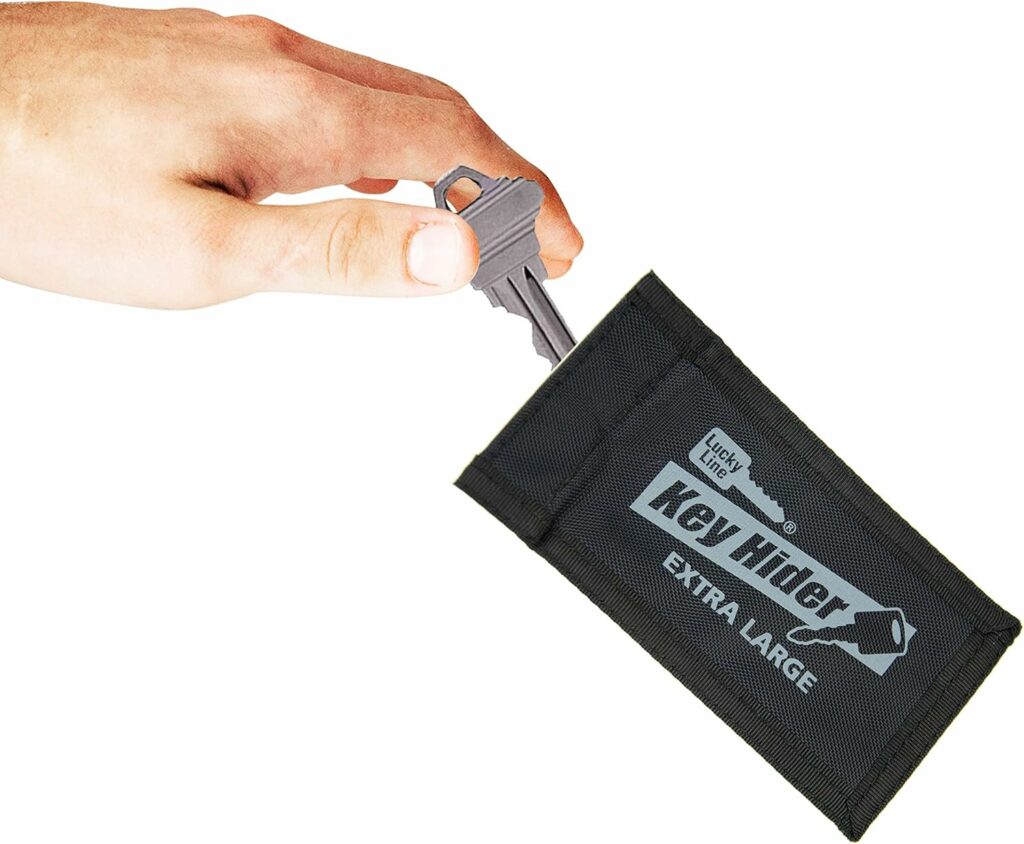
The Velcro key hider is a pouch which can be affixed to your vehicle discreetly. Unlike the magnetic key hiders, it won’t jiggle off on rough roads. I still have the original key pouch I purchased a dozen years ago, tucked safely away but readily accessible. I use it often by design, not wanting to carry my keys with me if I’m engaged in sporting events or hikes or such.
They can be purchased for a tiny fraction of the aforementioned trailer hitch (and don’t have to be removed if you intend to be pulling a trailer, either.) This one on Amazon’s site retails for around $8, but I found mine at my local key shop for a similar price. — John Bulger
I do a lot of outdoor stuff like fishing, hunting, diving, etc and when I leave my car I am always trying to figure out what to do with my keys. In the past I had three places I hid the keys but I never felt really comfortable about it. I never liked taking keys with me because I worried too much that I might lose them. I used to be able to take them diving, but now that most keys have electronics attached, it has made it impossible.
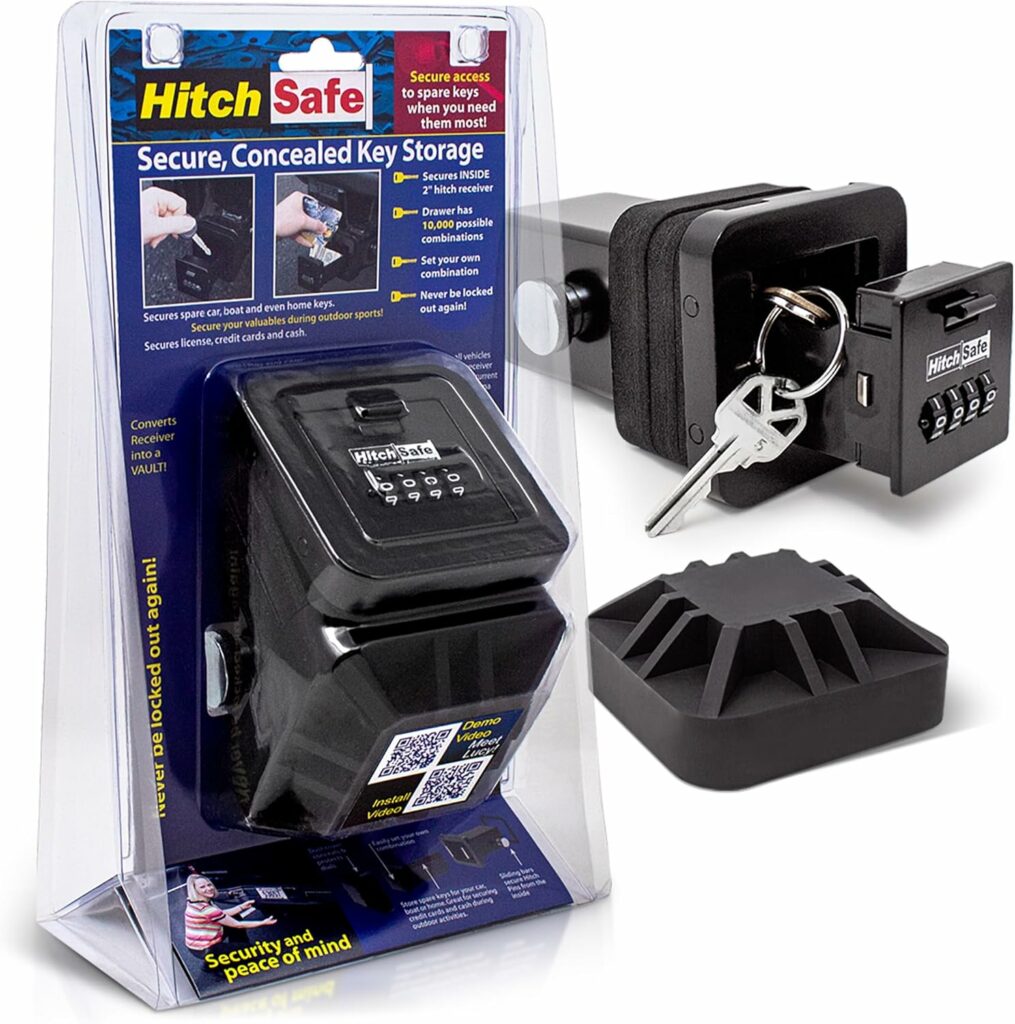
I recently discovered the HitchSafe, an attachment that slides into my tow hitch that has a compartment that can hold credit cards, drivers licenses, keys, etc. The hitch has four dials on the drawer allowing you to create a custom unlock combination. And it comes with a cover that conceals the HitchSafe.
I recently bought a second for my wife as she is always getting locked out of her car and so she now keeps her spare key in there. In the past she has tried those magnetic boxes that stick to the underside of the car, but they kept falling off and it was hard for her to find it, let alone reach underneath and grab it.
This is exactly the kind of tool I wish I had thought of. — John Davis
Once a week we’ll send out a page from Cool Tools: A Catalog of Possibilities. The tools might be outdated or obsolete, and the links to them may or may not work. We present these vintage recommendations as is because the possibilities they inspire are new. Sign up here to get Tools for Possibilities a week early in your inbox.