Unflattening / Exploring Calvin and Hobbes
Issue No. 120
A GRAPHIC DISSERTATION THAT ARGUES FOR THE POWER OF IMAGES OVER TEXT AS A WAY TO TEACH
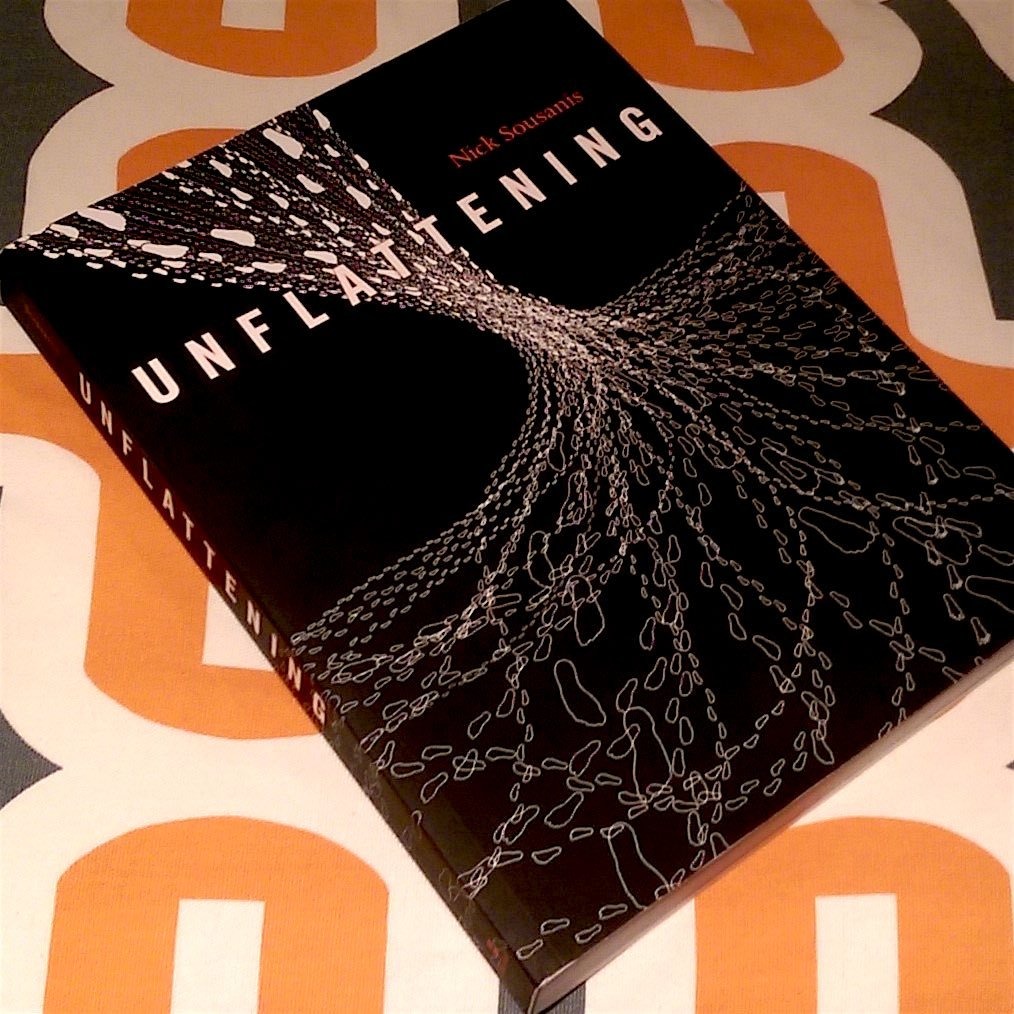
Unflattening
by Nick Sousanis
Harvard University Press
2015, 208 pages, 7.5 x 10.2 x 1 inches
It is remarkable how much we learn in our youth and how fast we learn it. It is a pace that really cannot sustain itself as we age, though we might try to continue to learn as though we were young. In my youth, the newspaper seemed a vast swarm of text and a few images that encircled a hidden prize: the funnies. Comics, in youth, are acceptable, but as we age we regard them more as juvenile diversions. Over time, the picture book gives way to the novel. The non-fiction works in the form of text books and scholarly journals are tools to educate us. Finally, should we pursue learning down the institutional path long enough, we encounter doctoral theses with their many and myriad intertextual references. It is a long-standing joke among academics that it is rare that the thesis they slave over for four or more years ever actually gets read.
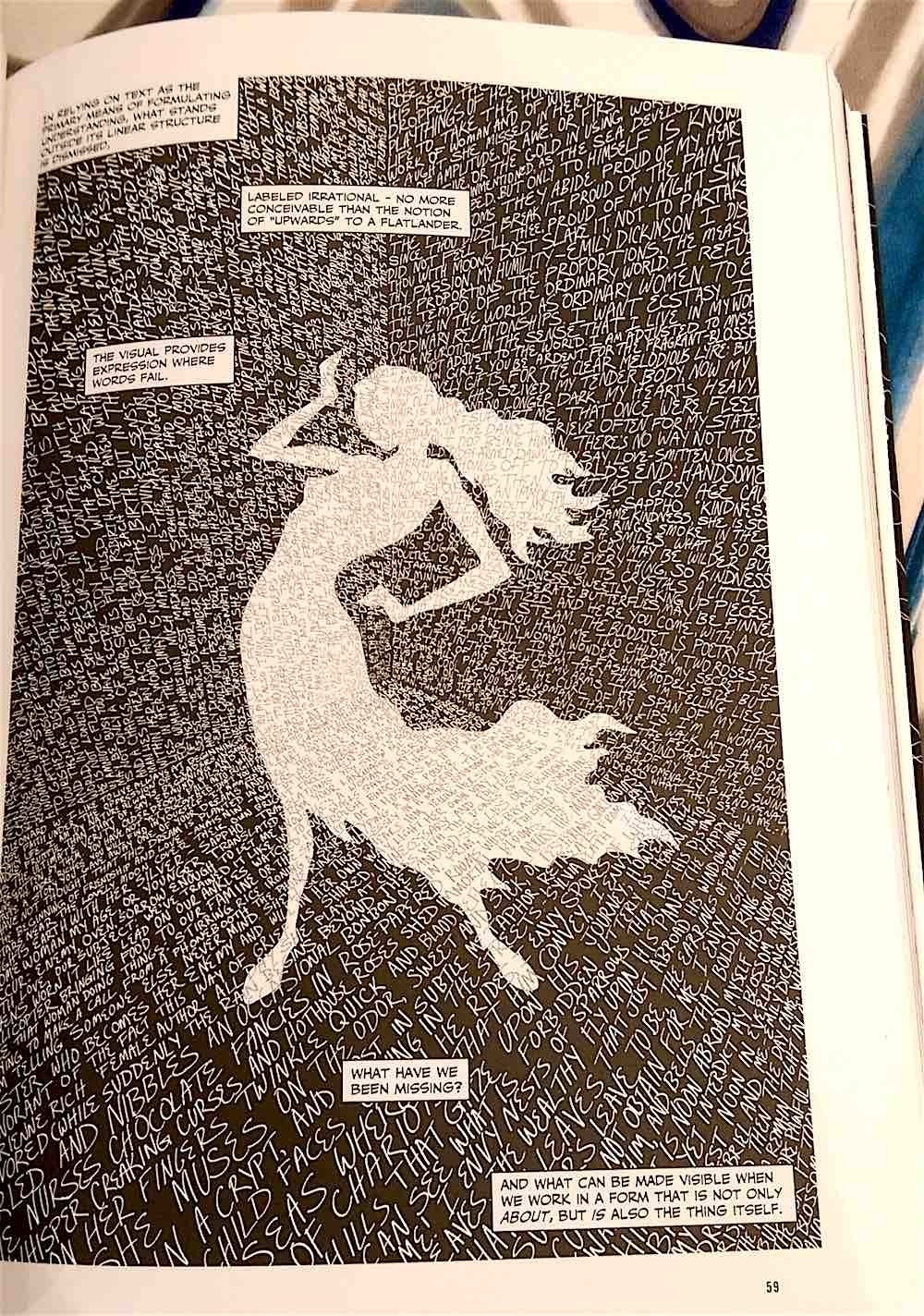
Nick Sousanis, with his doctoral thesis Unflattening, is a poignant departure from any trend of dissertations written for the sake of being written. More than that, it is meant to be more than a read work. It is an experiential work that asks the reader to not just read, but rather to participate in learning to appreciate imagery on equal terms with orderly lines of written text. This is a dissertation written in comic book format that argues for the power of that medium. One might think about the adage concerning the worth of pictures and thousands of words, and that does come up in the work itself, but this is something more than a trite saying. It is a masterful reinterpretation of how we read and learn, and how our world can be captured and conveyed to our fellows. It dismantles the rigid presumptions we have regarding the inherent value of the written word – especially scholarly writing. It champions the comic, for “while the image is, the text is always about.” Indeed, it is brilliantly argued throughout that “the visual provides expression where words fail.”
The title, Unflattening, refers to Edwin A. Abbott’s novella Flatland (1884), about a dystopian flatland of two dimensional objects, where a coin would not be seen by others for its circular shape, but rather would be seen edge-on as just a line obscuring the horizon. This is a “linelander,” and all linelanders see each other this way. A square of three dimensions frees the coin-shaped object by peeling it from the flat surface so that it might see its brethren and world from above – from the third dimension, just as we would look down upon a page in a geometry textbook
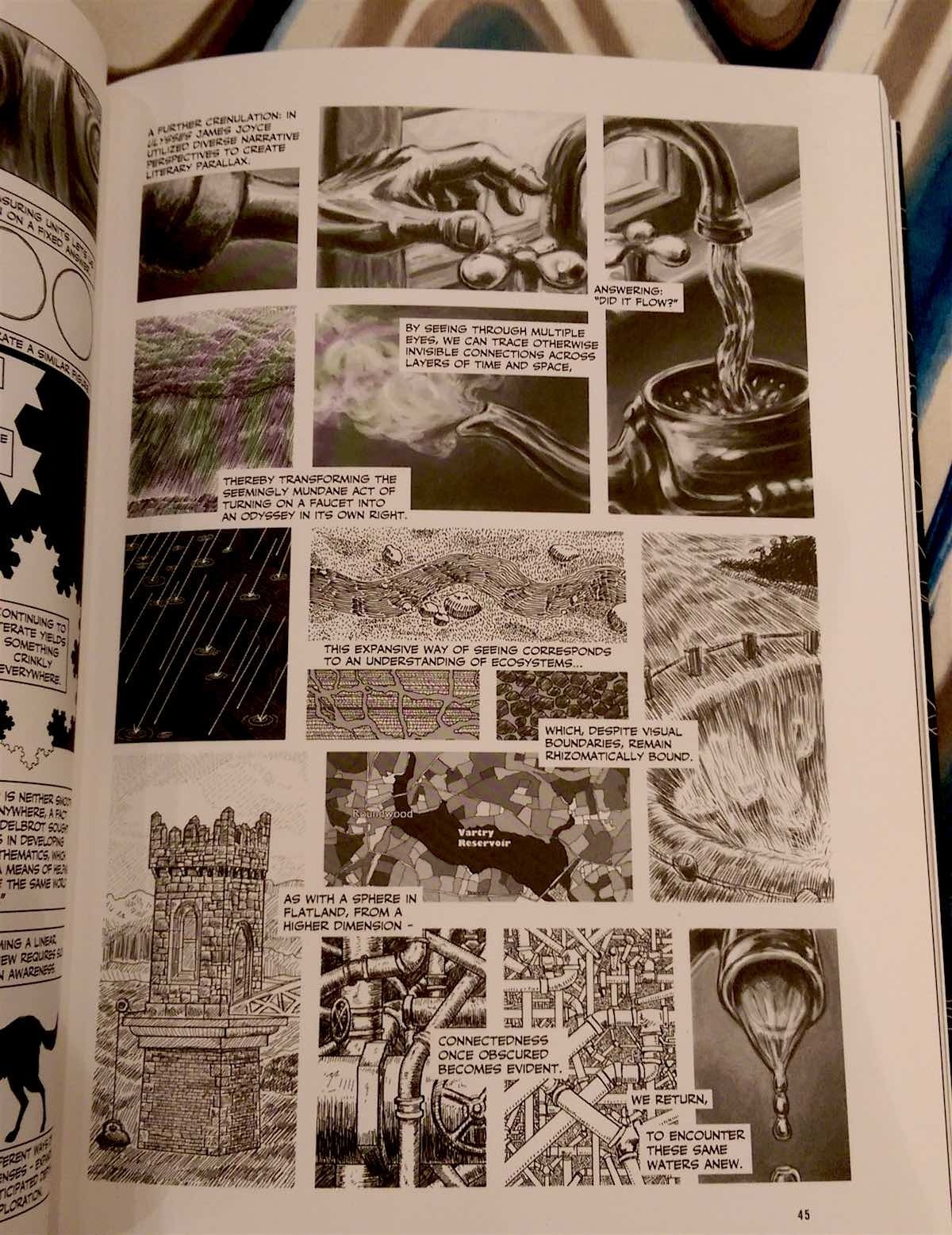
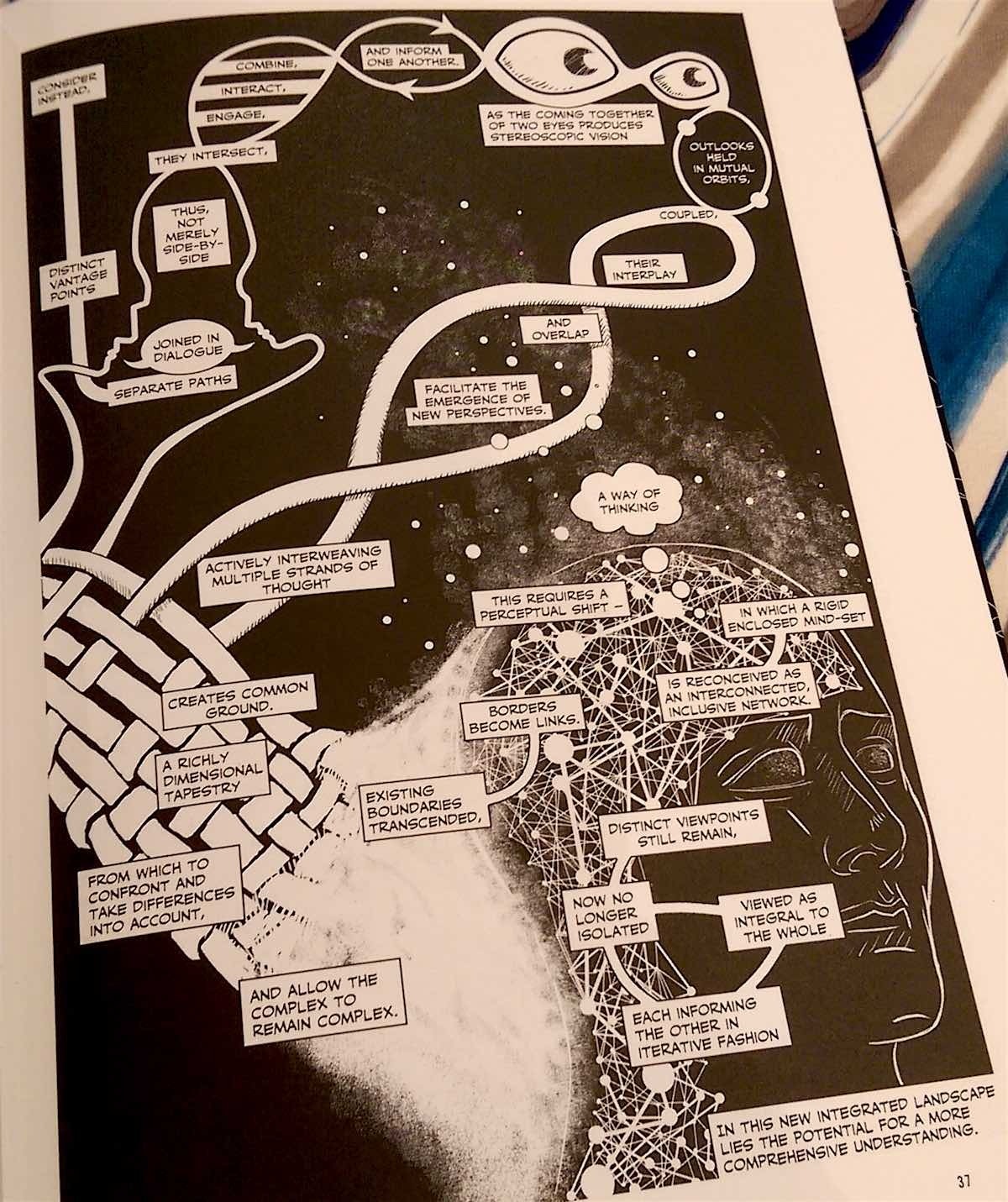
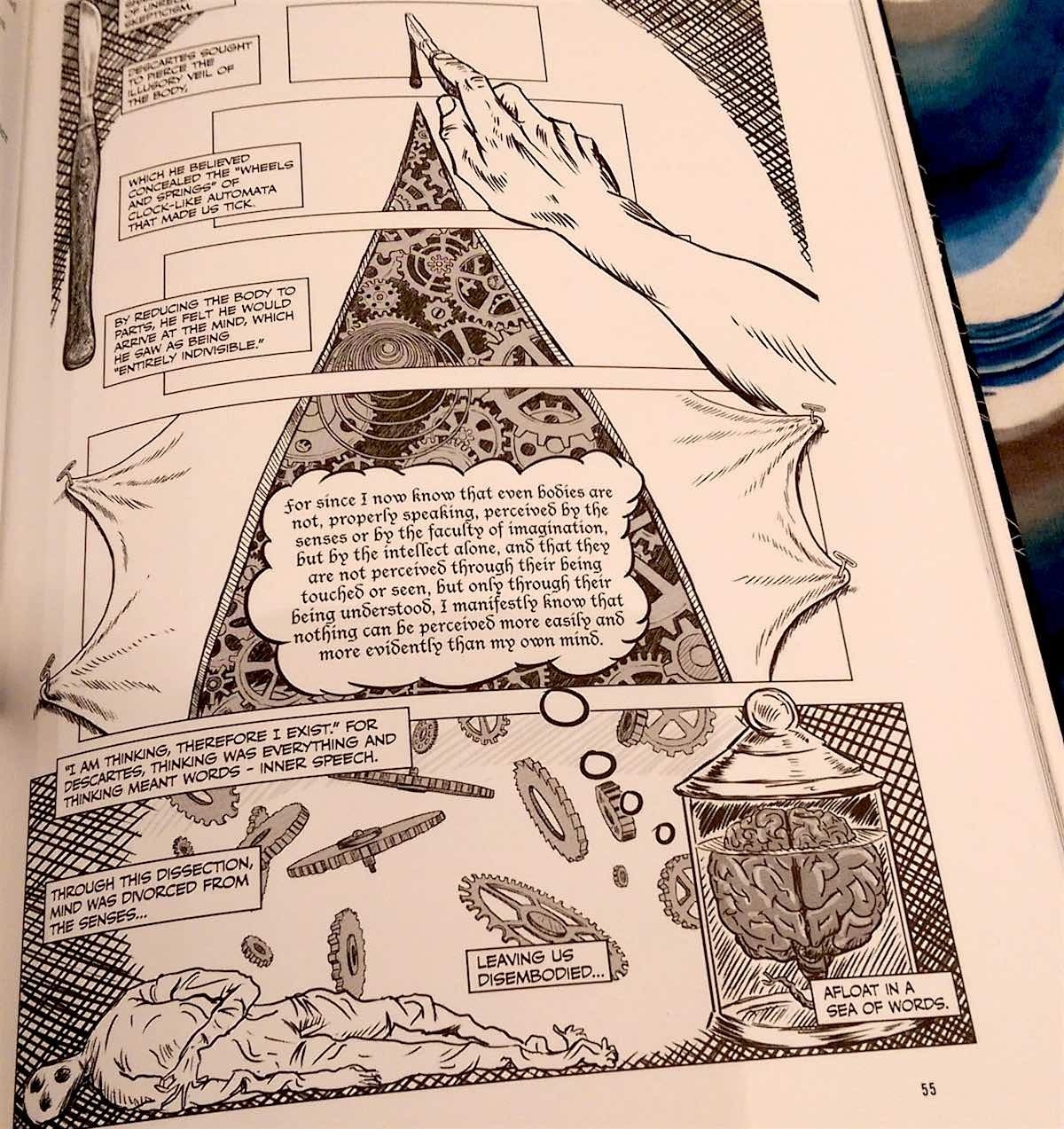
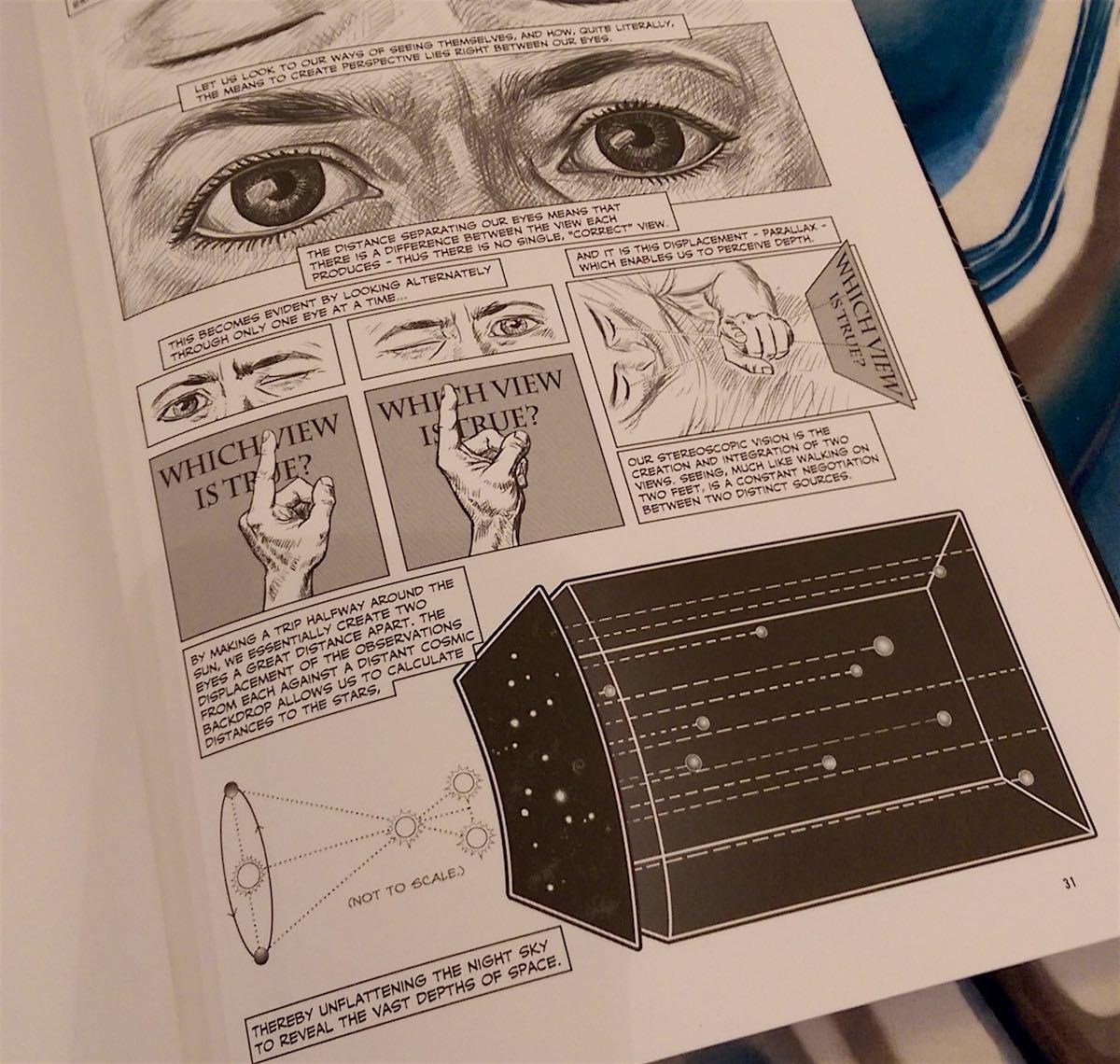
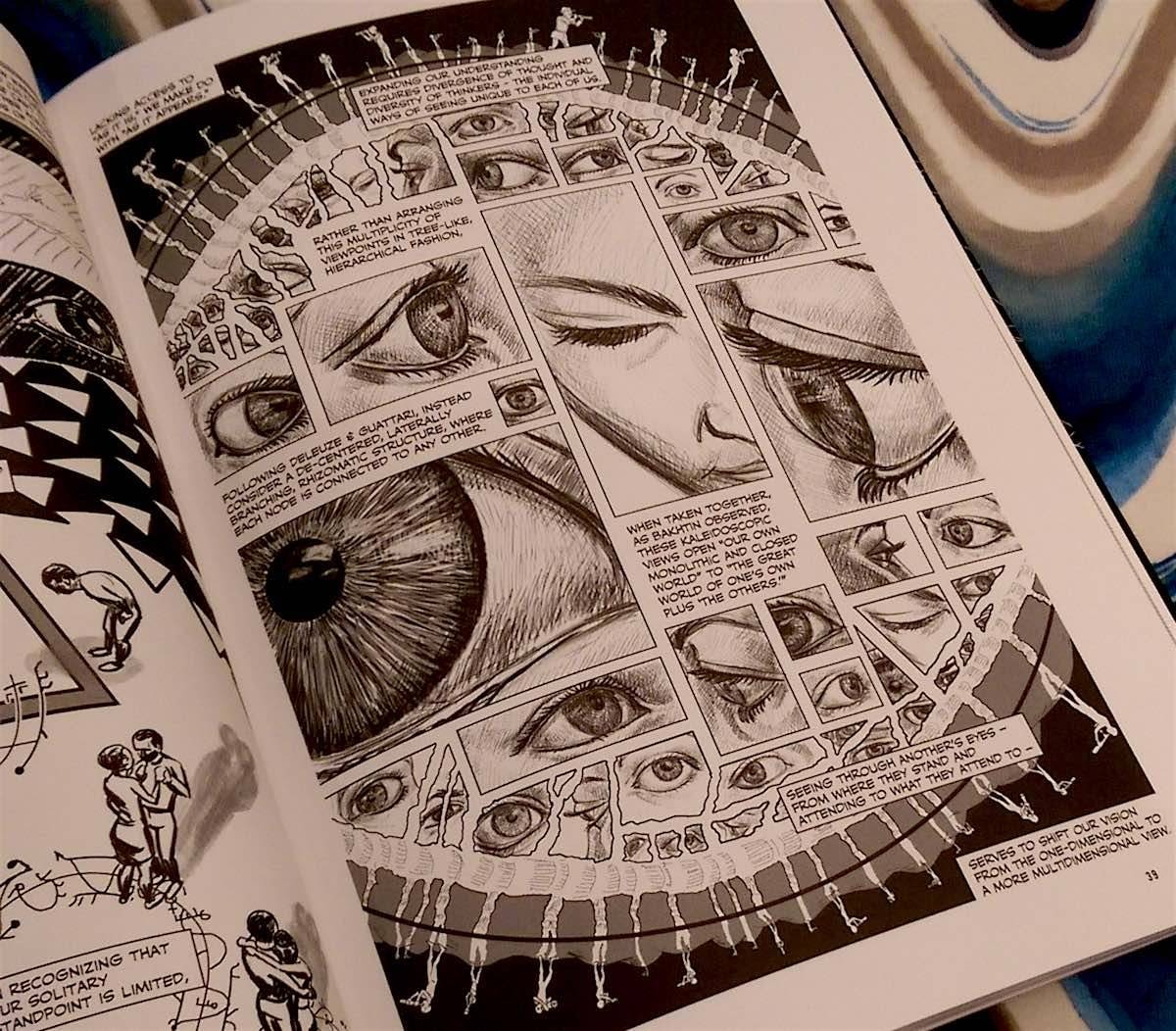
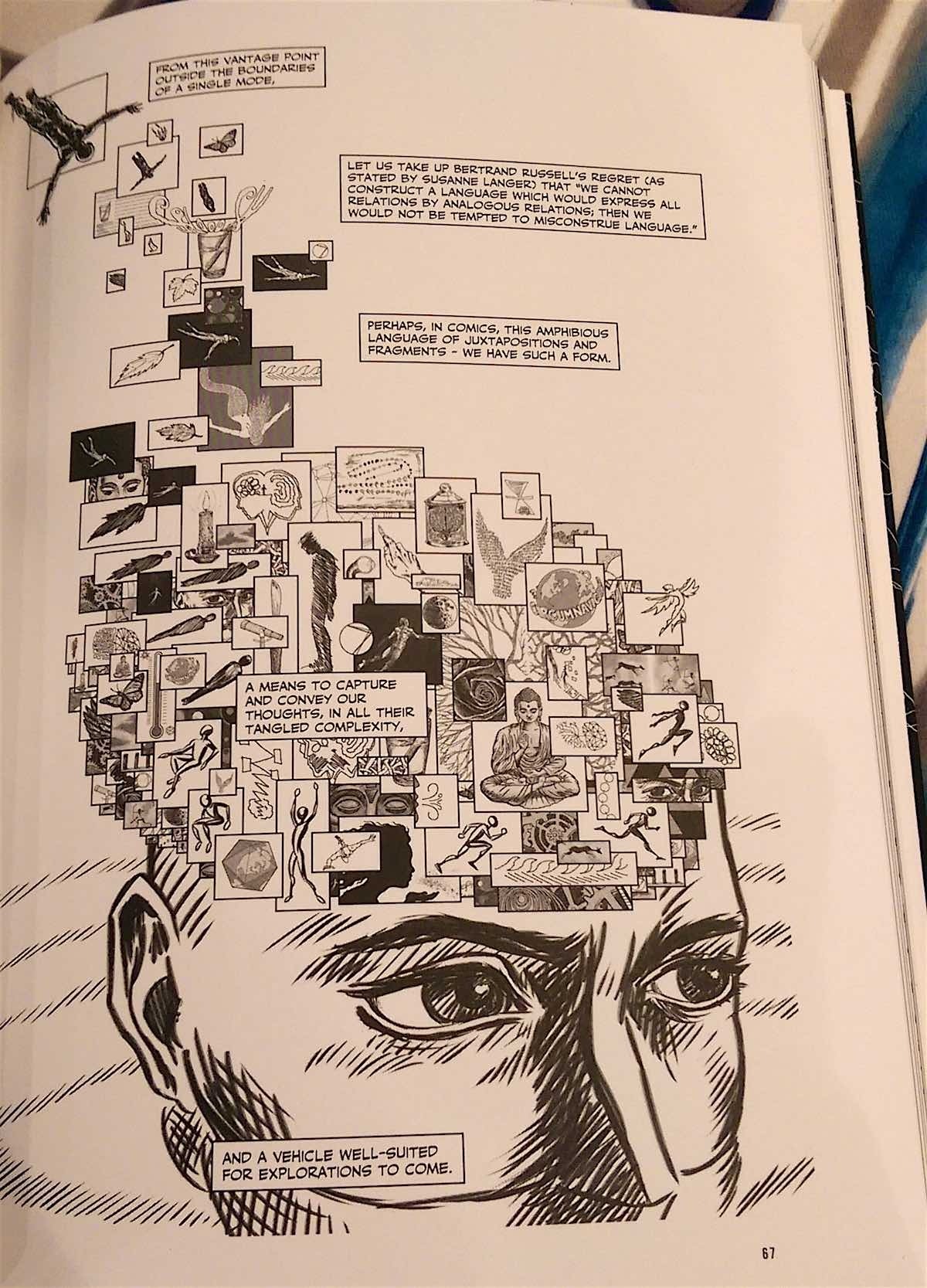
Sousanis, similarly, wishes to peel us away from the linear predominance of the textual world where word follows word follows word. He comes from a background in comics, graphic novels, or whatever phrase you would use to describe his art. Just as his square peels away the coin from lineland to reveal it to be flatland, so too Sousanis convinces us, by both text and deed, of the power of comics. His text is often sparse and pared down to its most necessary elements, but the accompanying visuals draw the eye along and serve as an obvious example that reinforces the sometimes vague text. The deed is the image, for it is the more obvious representation of our lived world, while the text can only describe it. This may all seem obvious, but Sousanis brings to bear so many examples and graphical displays to reinforce his line of argument, that the journey through this work is quite remarkable. Moreover, his endnotes at the back serve not only to acknowledge his textual sources, but also to draw attention to and explain his visual inspirations. Those images that so often sit confined within frames within museum galleries or as a ghettoized section of glossy pages in the middle of an art book, they are given life and agency by Sousanis’ deploying of them as allies to his words.
Certainly, it is almost with chagrin that one must only write about such a work when it argues so convincingly that mere text is limited in its conveying of full meaning. It is some solace that the accompanying images from Sousanis’ work will allow readers of this review to gain greater insight in the majesty of his pairing of imagery and text. This is a thinking person’s book and it is most definitely academic, but it is also surprisingly accessible. It draws upon – and draws – so many disciplines and so many real-world instances, that anyone and everyone will find it illuminating. So profound are many of these moments of illumination that they go a long way to rejuvenating our desire to see the world anew, from a child’s eyes once more. – Stephen Webb.
FOR FANS INTERESTED IN THE HISTORY AND INSPIRATION BEHIND A BOY AND HIS TIGER
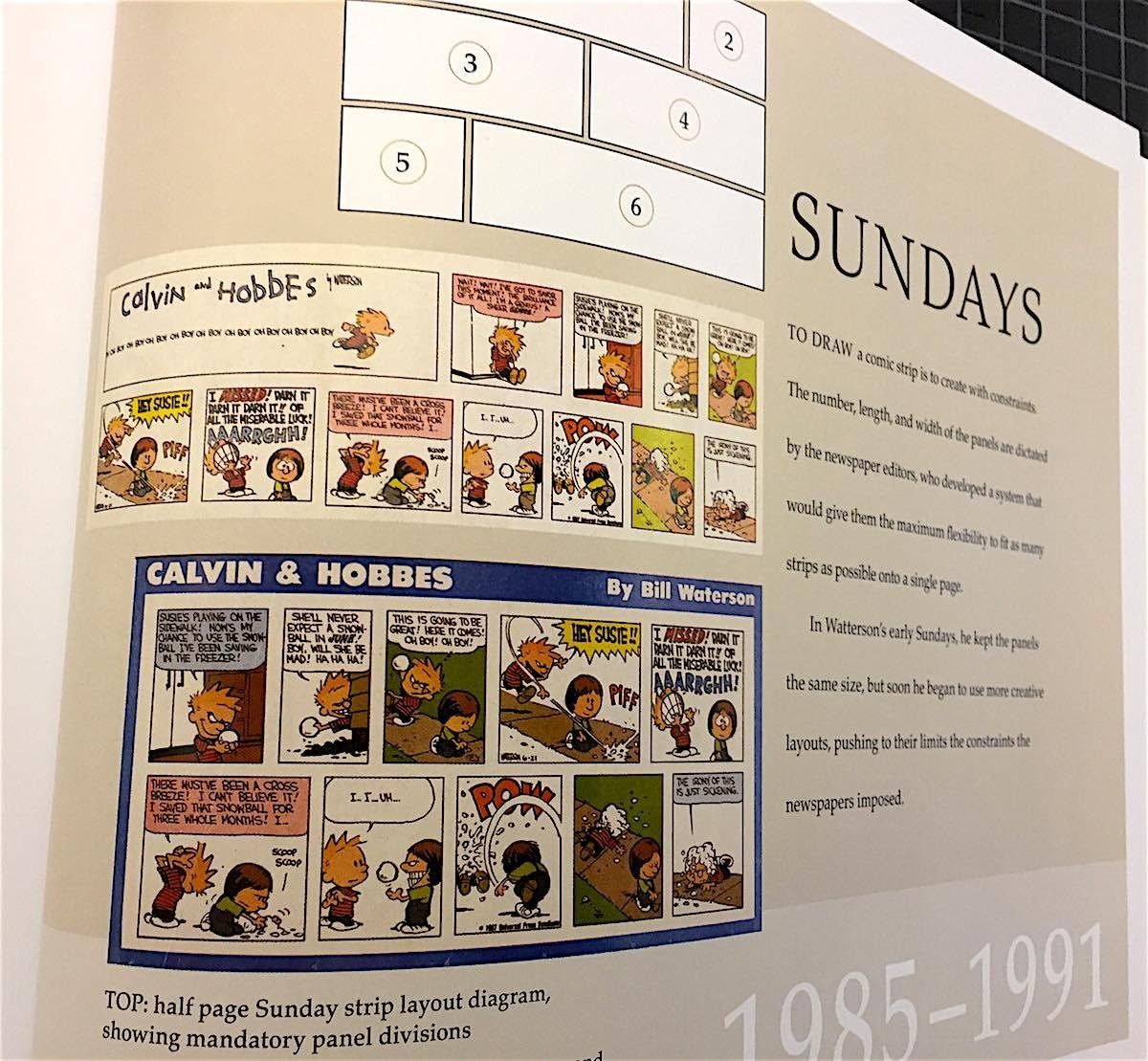
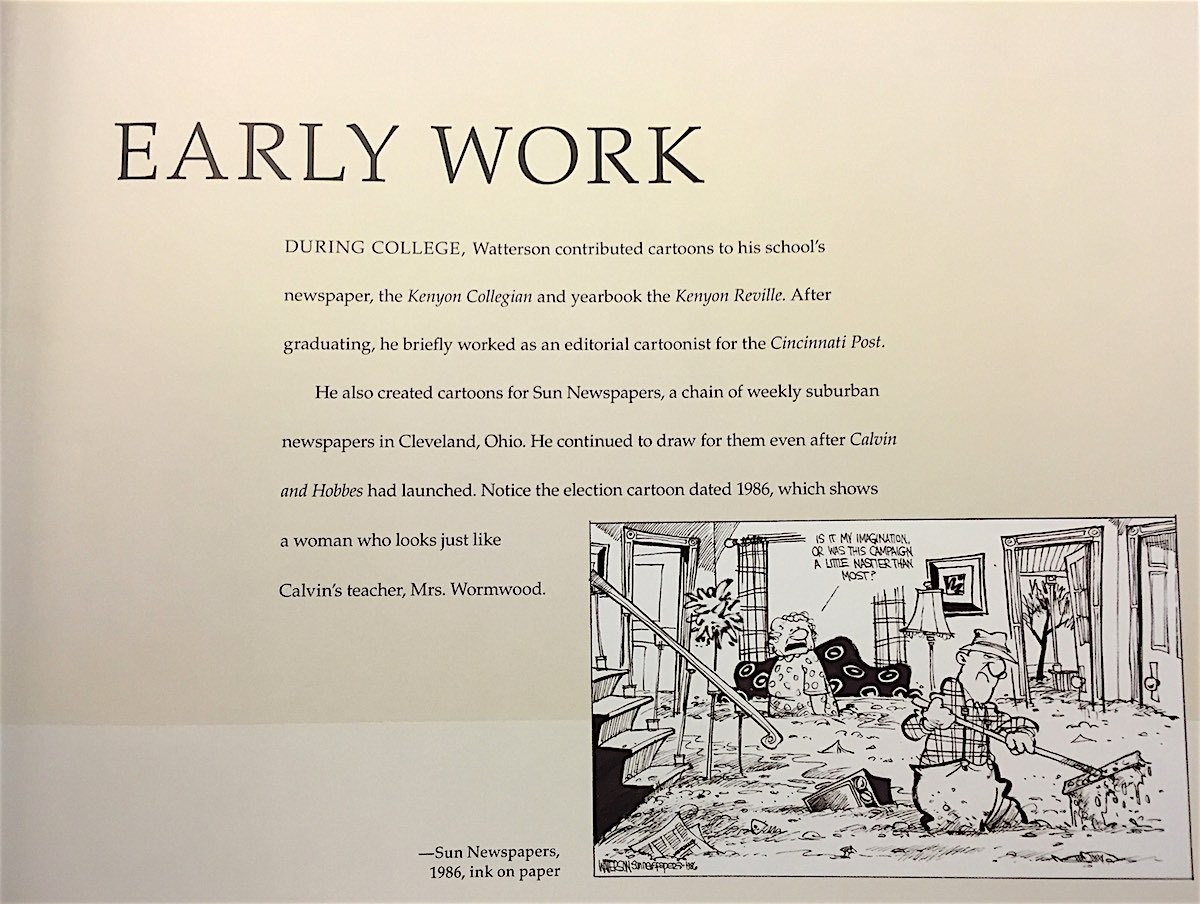
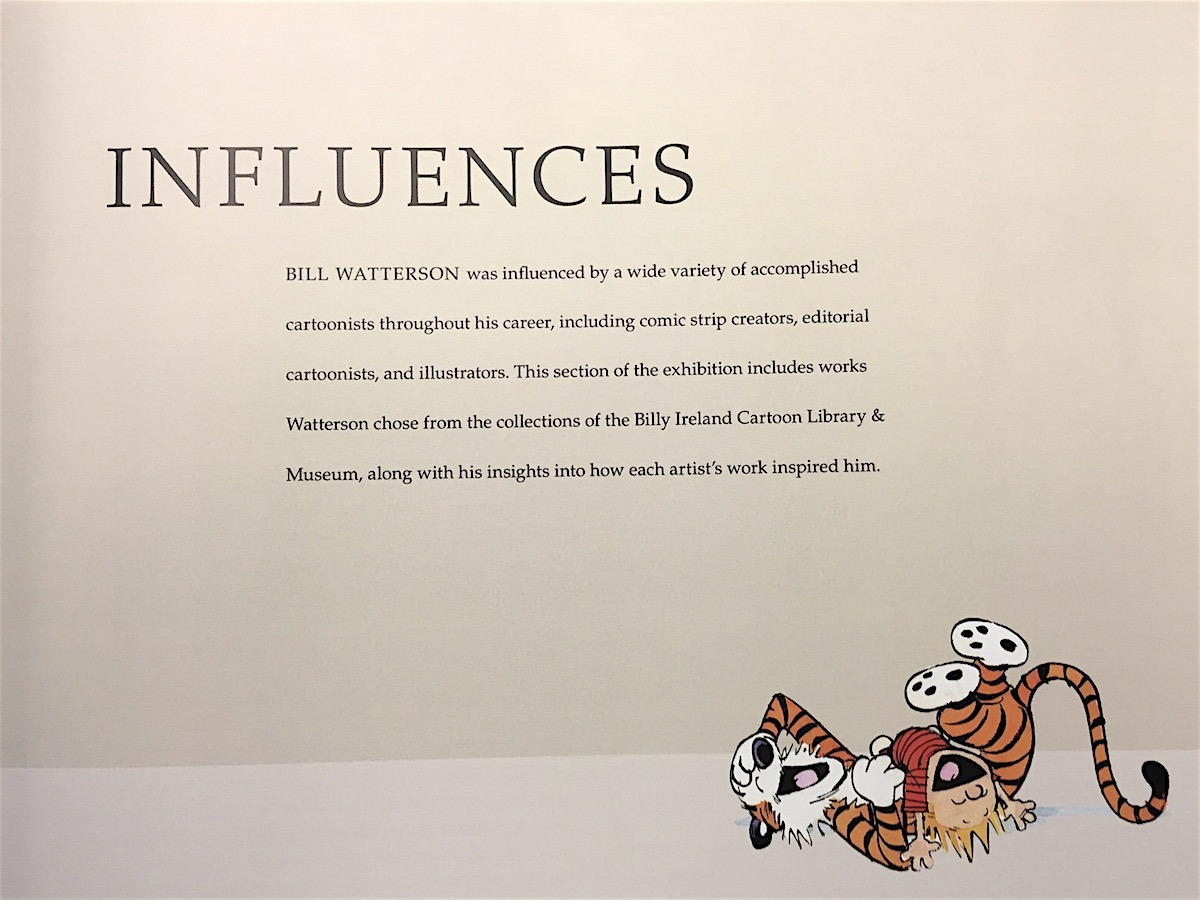
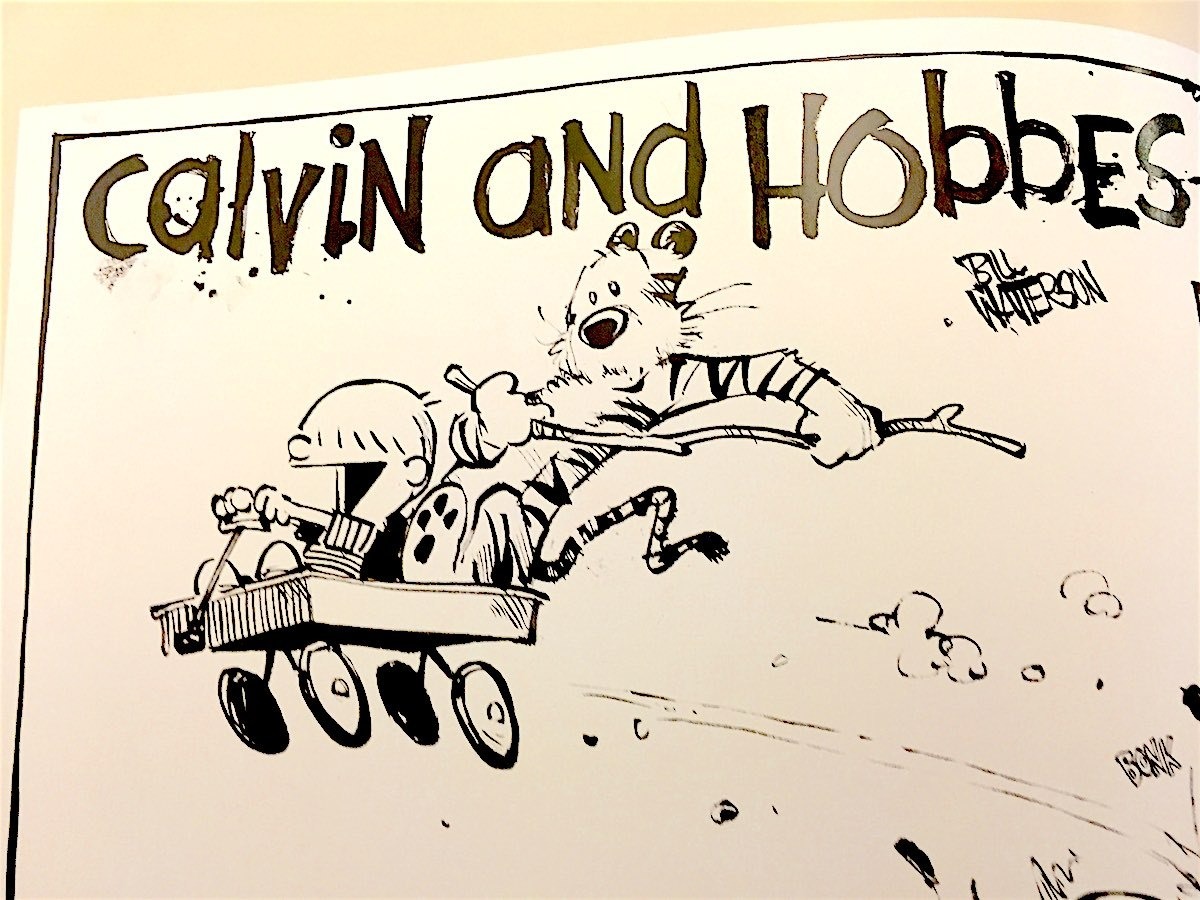
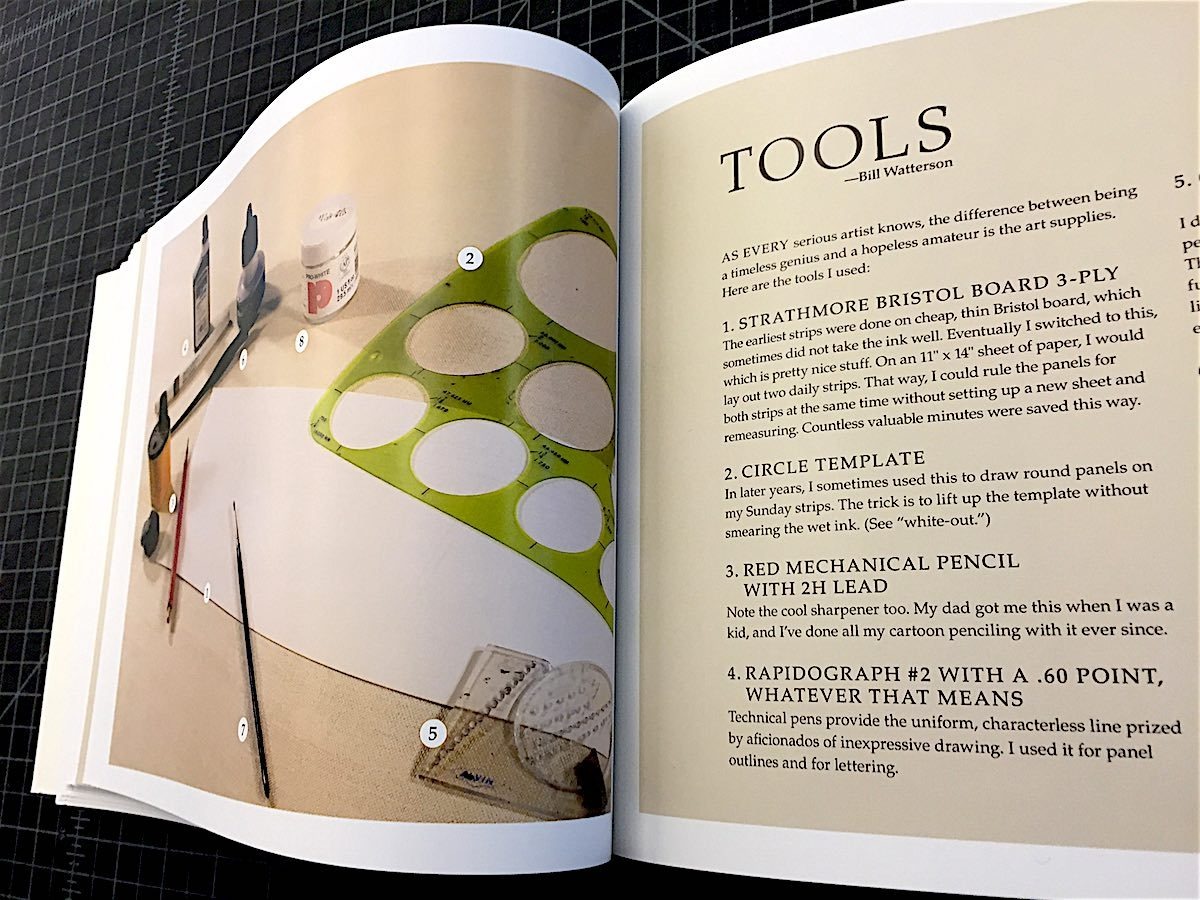
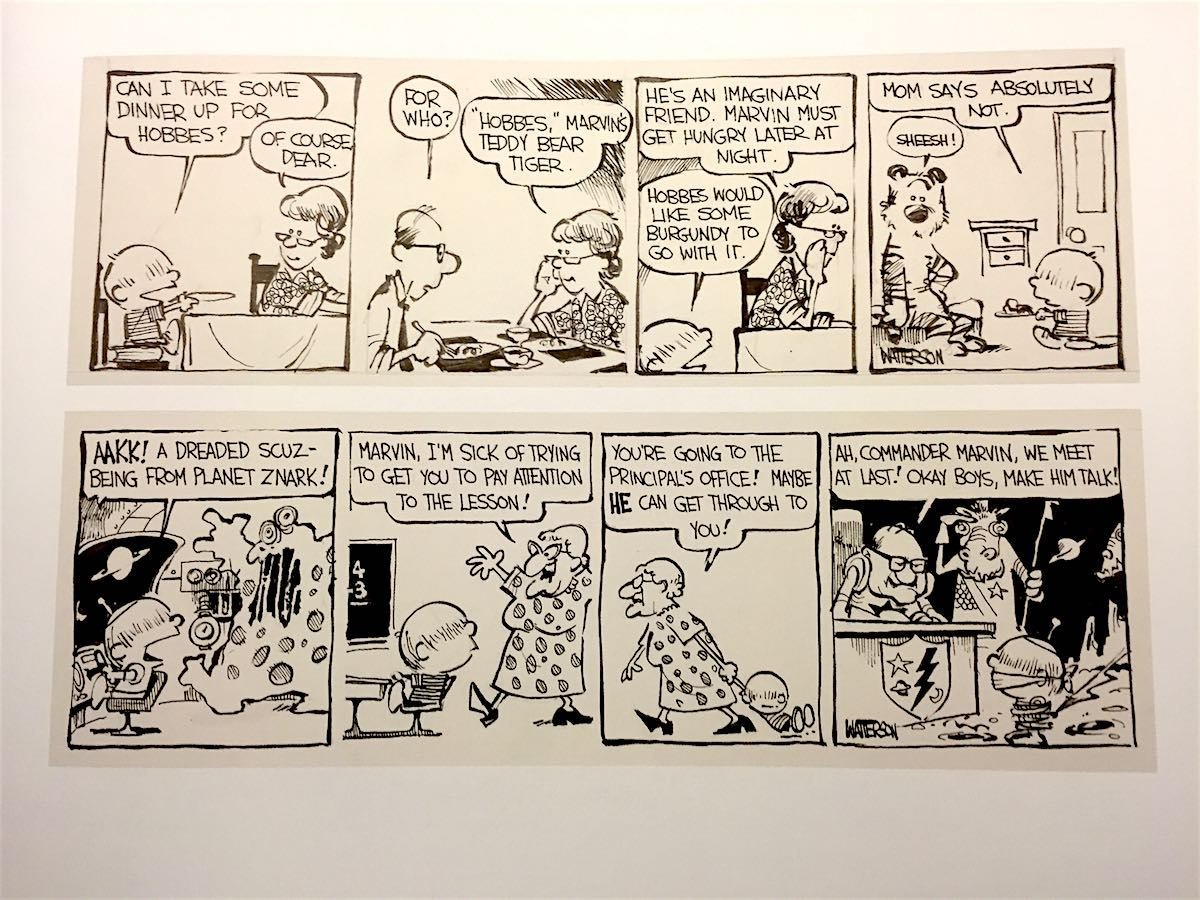
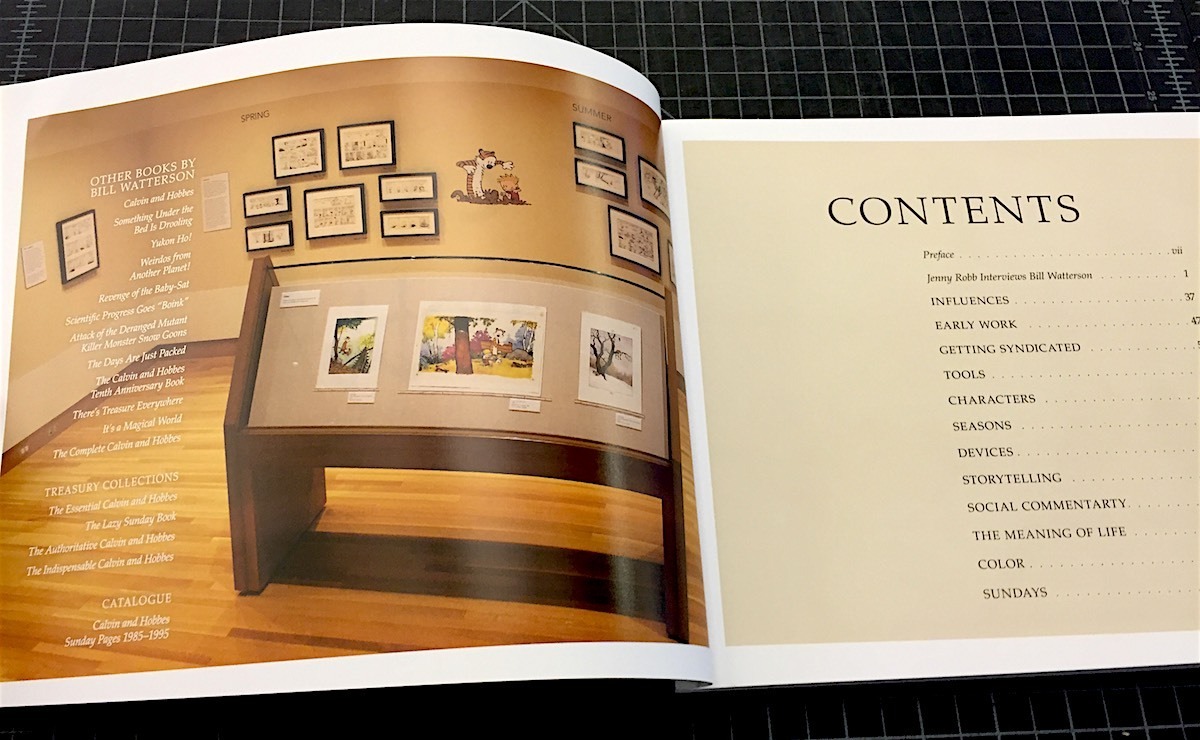
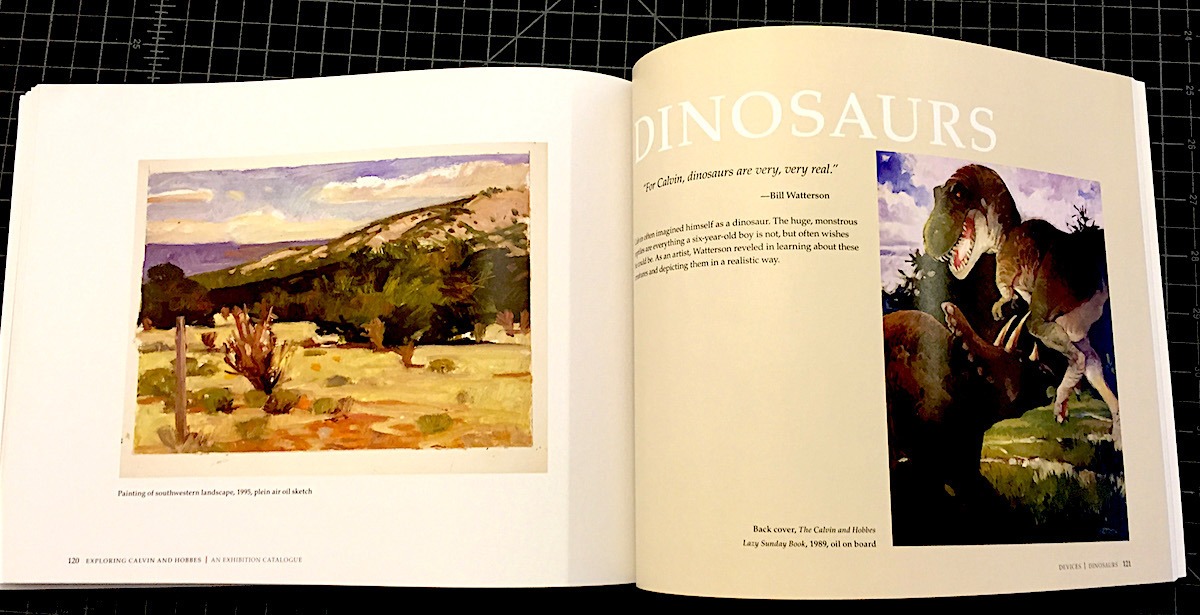
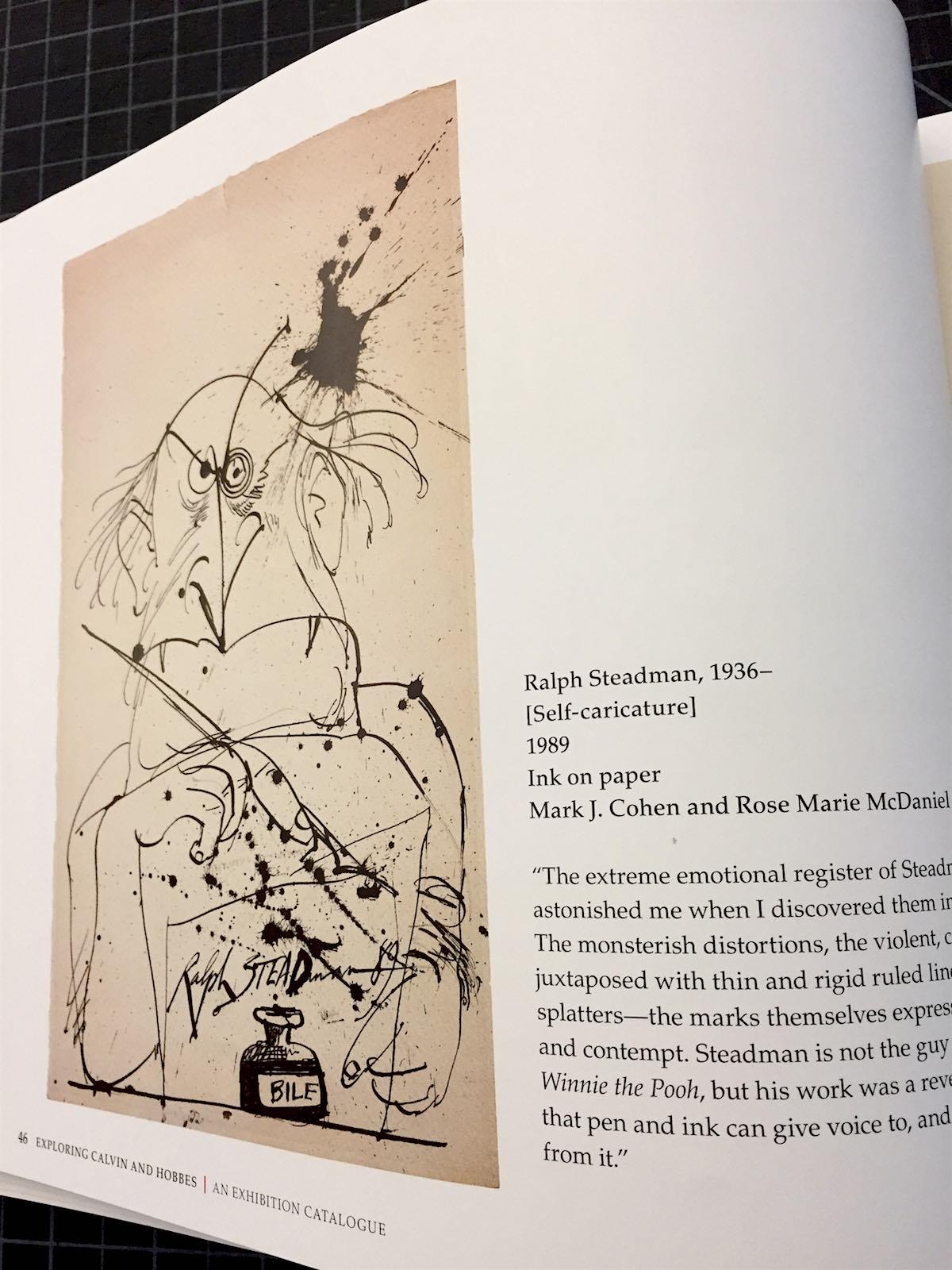
Exploring Calvin and Hobbes: An Exhibition Catalogue
by Bill Watterson and Robb Jenny
Andrews McMeel Publishing
2016, 160 pages, 8.5 x 11 x 0.6 inches
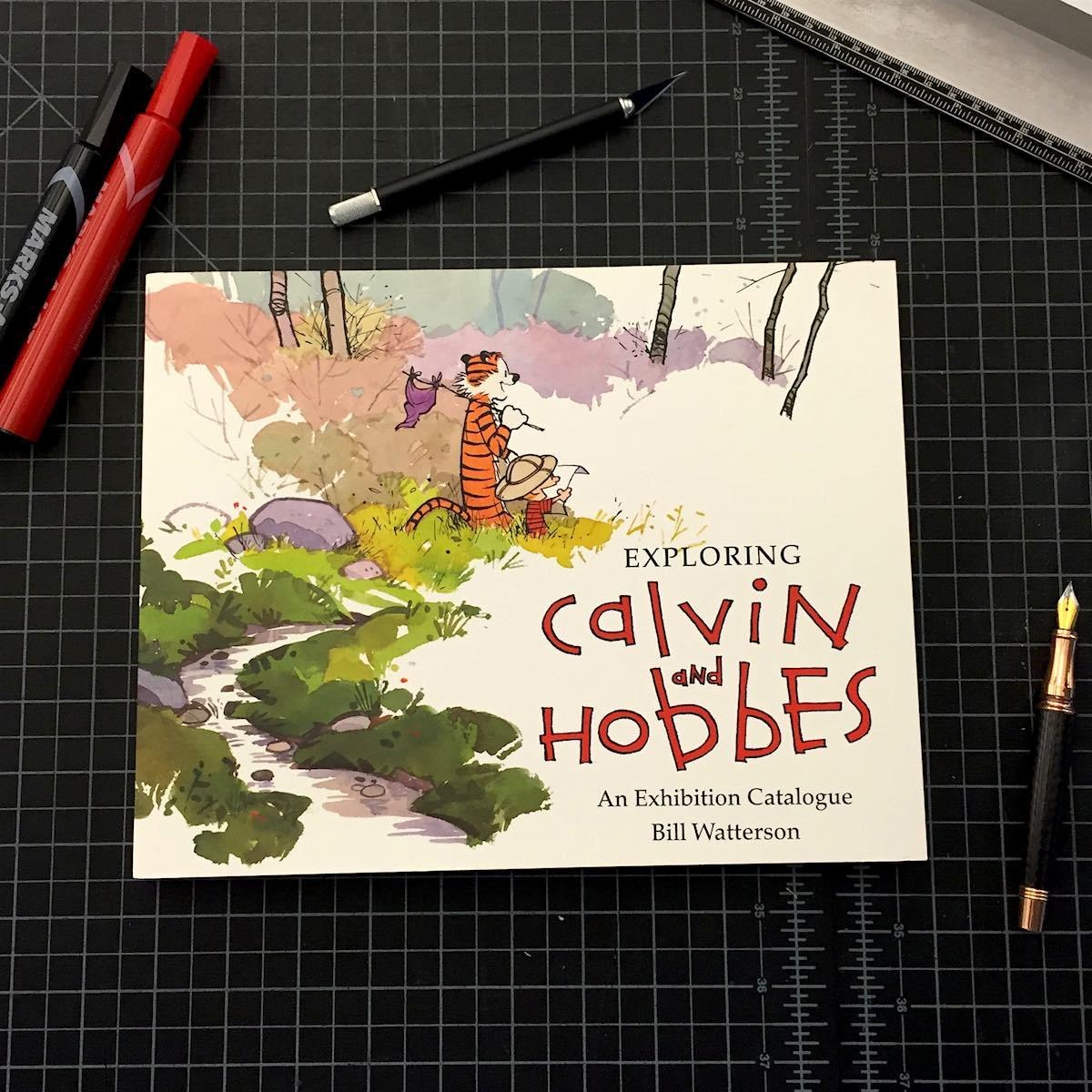
I like many grew up on Calvin and Hobbes. I don’t know if there’s a comic, book, film, or any other piece of art that better captures a childhood. I read every Sunday strip, most of the dailies, and the ones that I missed I would read in dog-eared collection books checked out from the library. As I got older, I wanted to know more about the strip’s creation. When I picked up the Complete Calvin and Hobbes, a 14-pound tomb, I was a little disappointed. Other than an introduction, there was very little information about the mysterious creator Bill Watterson. Thankfully, Exploring Calvin and Hobbes: An Exhibition Catalogue makes up for that.
This is the Blu-Ray extras that Calvin & Hobbes fans have been waiting for. It’s not for those casually interested in reading the strip. There are plenty of other books for that. But if you’re interested in process, history, and the inspiration behind a boy and his tiger, you’re going to love this book.
The book explores an exhibit of Watterson’s work at the Billy Ireland Cartoon Museum. It also includes one of the most in-depth interviews he’s ever given. In it you get a rare look at his early work, the tools Watterson used, the struggles he went through, and the wonderful comic that he created. You get a real sense of the artistry that Watterson put into the strip, and how it evolved over the years. It’s great to relive and learn about something that had such an influence on me. This book is definitely a must-have for Calvin and Hobbes fans. – JP LeRoux
Books That Belong On Paper first appeared on the web as Wink Books and was edited by Carla Sinclair. Sign up here to get the issues a week early in your inbox.
06/2/26