Become a Patron!Support our reviews, videos, and podcasts on Patreon!
Cool tools really work.
A cool tool can be any book, gadget, software, video, map, hardware, material, or website that is tried and true. All reviews on this site are written by readers who have actually used the tool and others like it. Items can be either old or new as long as they are wonderful. We post things we like and ignore the rest. Suggestions for tools much better than what is recommended here are always wanted.
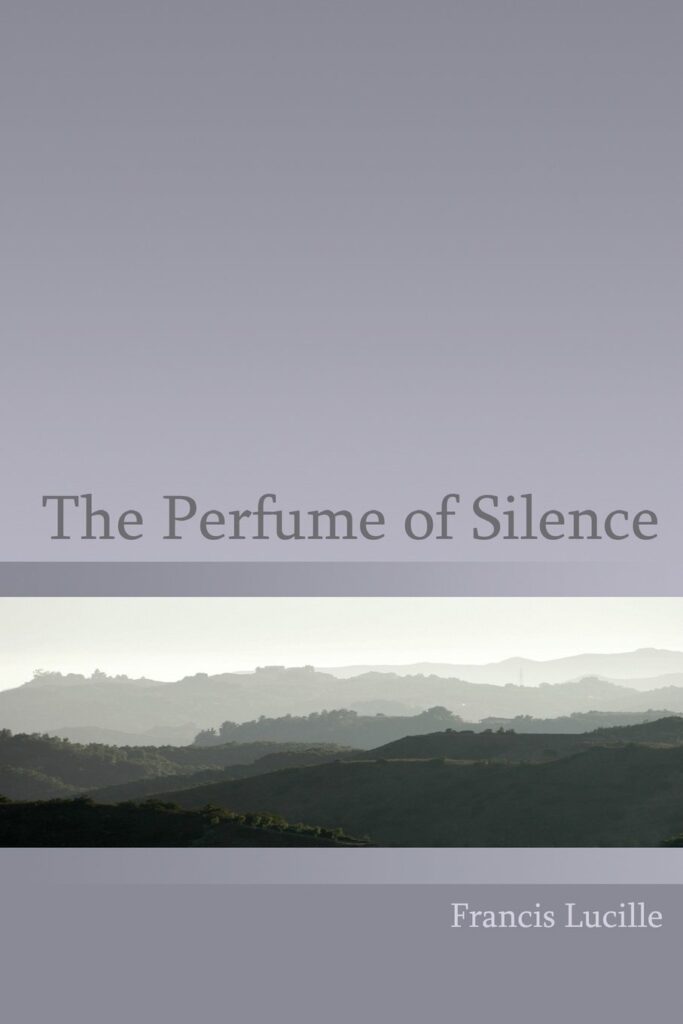
The Perfume of Silence is a collection of dialogues between nonduality teacher Francis Lucille and his students that points directly to the consciousness underlying all experience and shows how recognizing it dissolves psychological suffering.
Core Principles
You Are Not the Body-Mind
Are you your thoughts, sensations, and perceptions? Or are you the awareness in which they appear? Lucille says we are the open, borderless consciousness that witnesses these changes.
“We have always been this consciousness, this presence.”
Welcoming Whatever Arises
Instead of fighting unwanted thoughts or chasing pleasant states, Lucille recommends welcoming whatever arises, including fear, boredom, and restlessness.
“We should be present to the totality of whatever arises in consciousness, instead of focusing on something that we want to get rid of.”
Happiness Is Your Nature, Not a Goal
We spend our lives pursuing happiness as though it were something external to acquire. Lucille says it’s always present when we stop covering it with mental agitation.
“Know that your happiness is not in the next situation, in the next object, but that the next situation or object is simply a celebration of this happiness that we already are.”
The Ordinary Is Sacred
Awakening shows up in the most ordinary moments, like drinking tea, walking, or listening to a friend.
“Just stick to the ordinary circumstances without labeling them ordinary. Be open to them with no desire to change them in any way.”
Try It Now
Close your eyes and notice whatever appears — sounds, sensations, thoughts. Ask yourself: “What is aware of all this?” Then rest your attention on awareness itself, the open space in which everything appears.
The next time you feel an uncomfortable emotion — irritation, anxiety, boredom — instead of reacting or analyzing, say to yourself, “You are welcome here.” Notice what happens to the emotion when you stop resisting it.
Choose a mundane activity you do every day without paying much attention—making coffee, washing dishes, walking to your car. Do it with full attention. Notice whether the activity, stripped of the label “ordinary,” reveals a quiet aliveness you might otherwise ignore.
Quote
“There is no freedom at the level of the body-mind. There is absolute freedom at the level of consciousness.”