Geology
Tools for Possibilities: issue no. 200

Tourist guide to geological power points
101 American Geo-Sites You’ve Gotta See
This will change your vacation plans. Visit your home planet! Geology is a force so huge we don’t see it. Yet evenly spread across the US (at least one in each state) are spots where our planetary behavior is made visible, erupting in either grand spectacle or in tiny gems on the ground. I was briefly a geology major in school, so call me geeky: but what bigger vacation can one imagine that inspecting 101 sites where you can see inside the Earth? A surprising number of US national, state, and county parks are dedicated to geologic power points. Other spots may be roadcuts or river beds. Use this guide to find them and interpret their incredible hidden significance. — KK
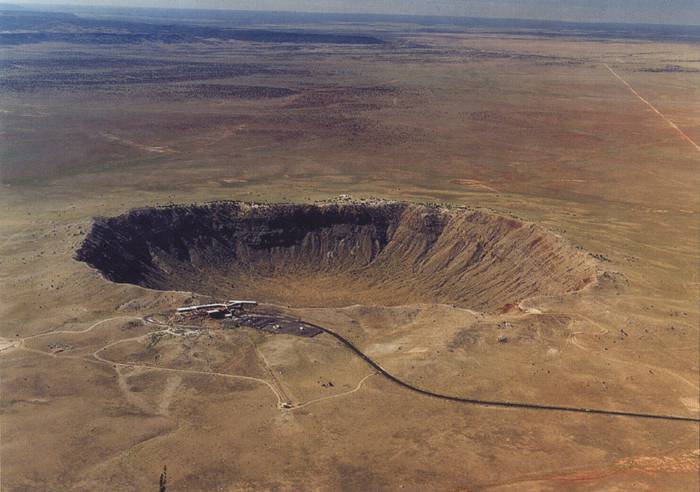
- Meteor Crater, ArizonaOf the more than 180 impact sites recognized around the world, approximately 25 are in the United States. The recognized godfather of them all, meteor crater is a perfect example of a simple crater — one without a central uplift. It is the most thoroughly investigated and by far the best preserved of the many astroblemes that scar the face of planet Earth.
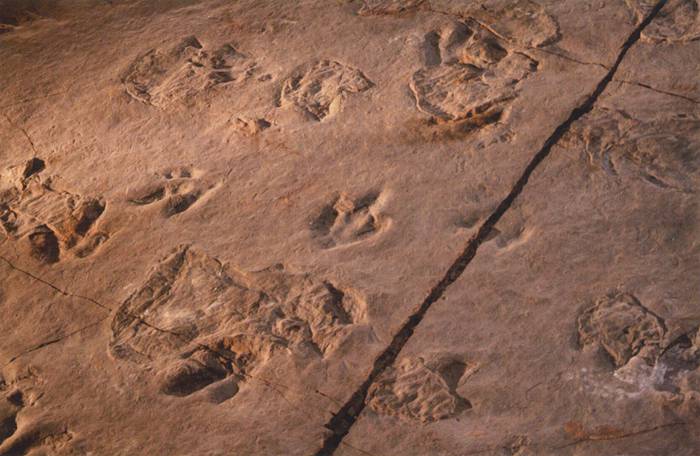
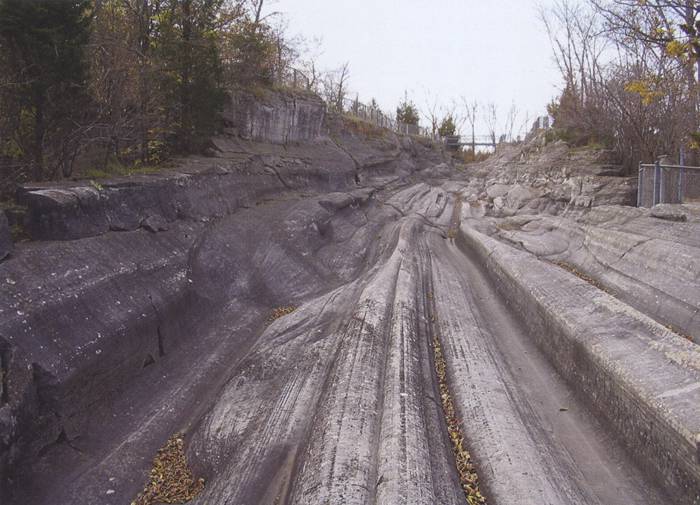
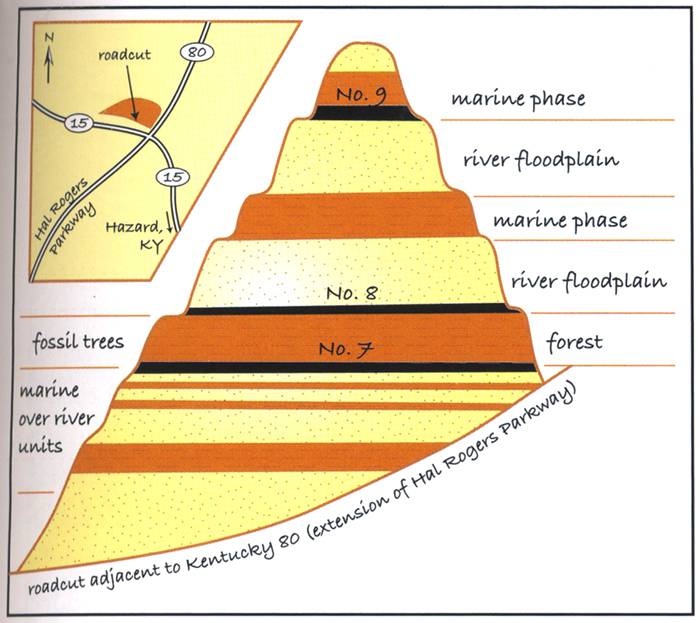
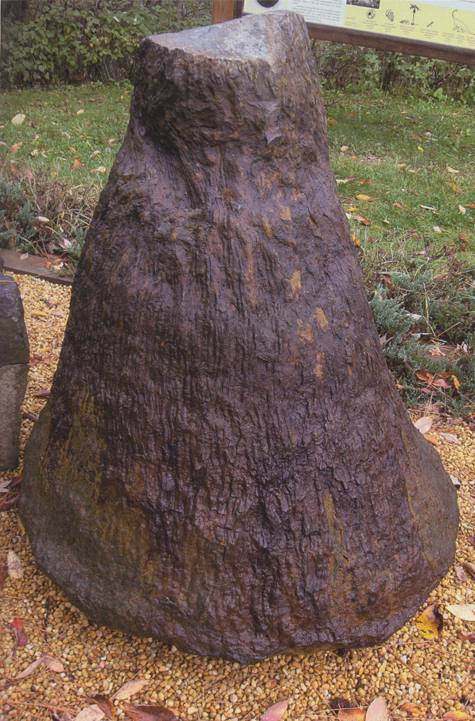
- Gilboa Forest, New York
42° 23’ 52” North, 74° 26’ 50” West
Devonian Period FossilizationOnly Sandstone casts of stumps and roots remain of this first forest to shade the American landscape.
Where to find fossils
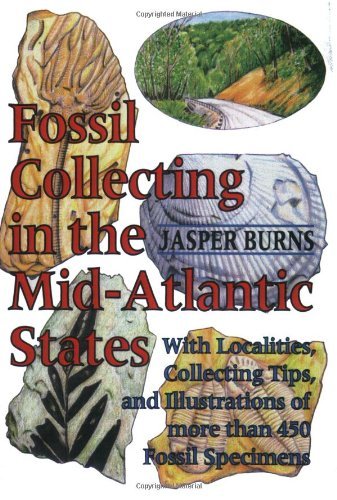
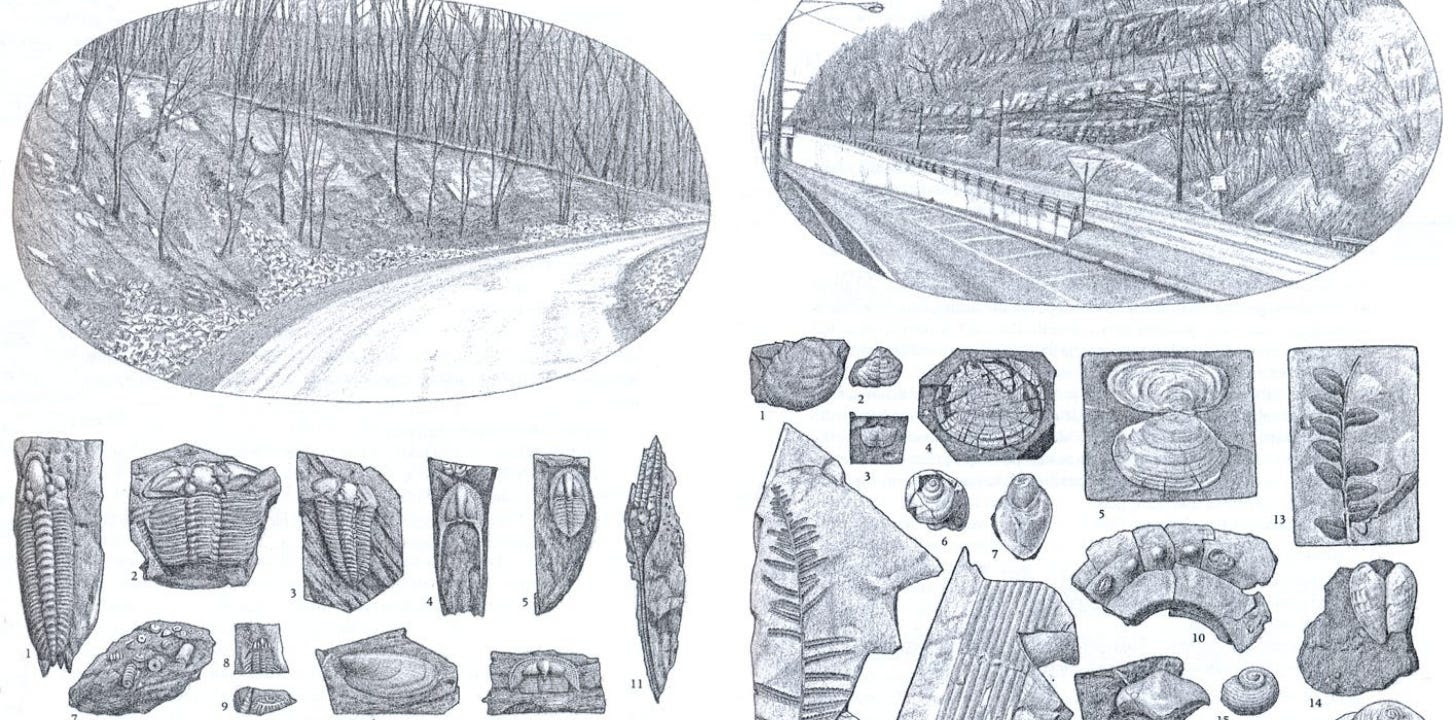
Fossil Collecting in the Mid-Atlantic States
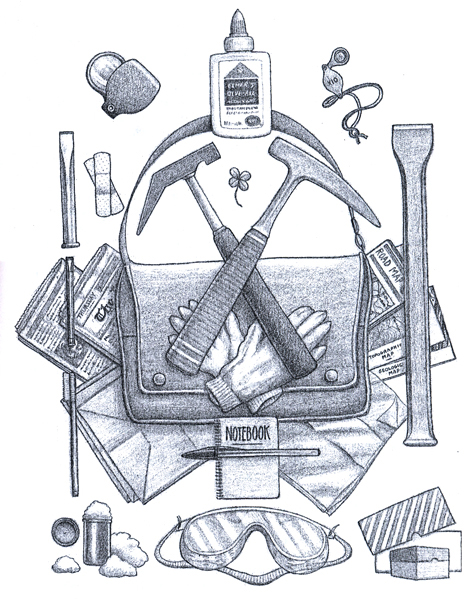
The only thing wrong with this field guide is that it is restricted to the Mid-Atlantic States. It gives very specific driving directions (alas, no GPS coordinates) to easily accessible sites where one can collect small fossils. And each site and its ancient bounty is depicted in lovely sketches. I wish all guides books were like this. — KK
Once a week we’ll send out a page from Cool Tools: A Catalog of Possibilities. The tools might be outdated or obsolete, and the links to them may or may not work. We present these vintage recommendations as is because the possibilities they inspire are new. Sign up here to get Tools for Possibilities a week early in your inbox.
07/27/26