Become a Patron!Support our reviews, videos, and podcasts on Patreon!
Cool tools really work.
A cool tool can be any book, gadget, software, video, map, hardware, material, or website that is tried and true. All reviews on this site are written by readers who have actually used the tool and others like it. Items can be either old or new as long as they are wonderful. We post things we like and ignore the rest. Suggestions for tools much better than what is recommended here are always wanted.
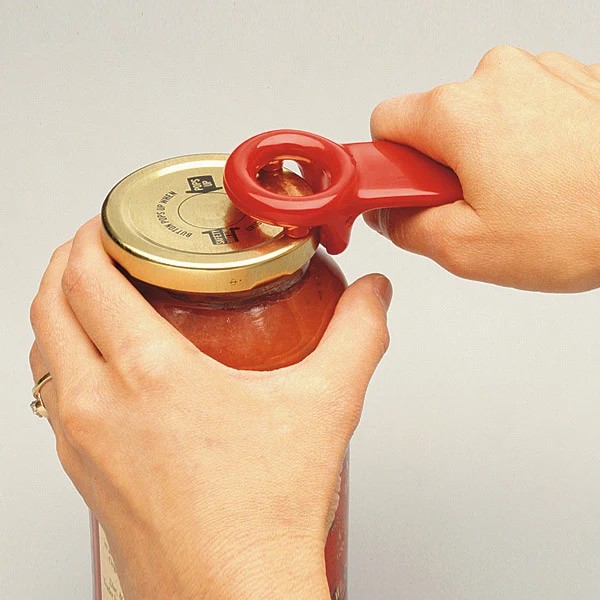
The JarPop jar opener is the best five-dollar gizmo I’ve ever bought. It’s what I gave my mother for Christmas last year. It’s a beautifully simple bottle-cap-opener for lidded jars. It breaks the seal on a jar of applesauce (or anything else), and then the lid twists right off. I’m a little embarrassed how strongly I feel about it. — David McIntosh
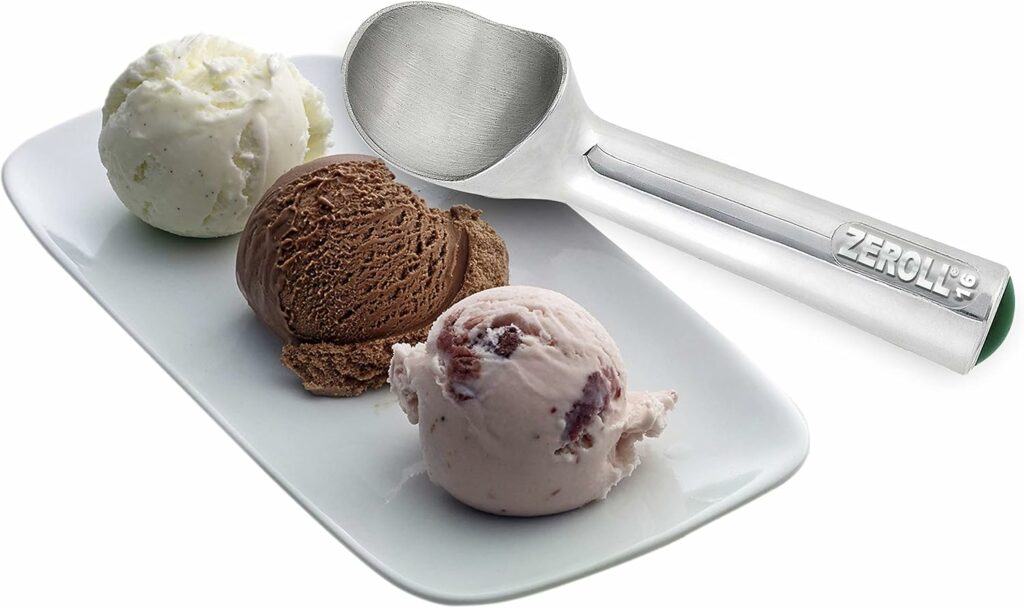
Unfortunately for my waist, I love ice cream. For a long time, I accepted the fact I either had to strengthen my wrist muscles, leave out the ice cream to soften up, or run the frozen tub or spoon under hot water before digging in (which dilutes the ice cream if you forget to dry it off beforehand). Not anymore.
The trick to this scoop is a heat-conductive fluid sealed inside the handle and business end. The heat from your hand warms the fluid, which lets you scoop easier and quicker. I find it can scoop ice cream from ice cream tubs that are hard as a rock, like a spoon through a tub of margarine.
This Zeroll scoop is not dishwasher safe, and must be hand-washed in warm or luke warm water (the fluid in the handle can’t take any hotter). It comes in different sizes from two to four ounces, in either a silver aluminum or Anodized Teflon finish. I opted for the two-ounce aluminum scooper because I’ve heard the Teflon finish wears off over time.
It’s worth mentioning that I learned of the Zeroll from a cooking magazine. They tested various scoopers to settle on one that makes the “perfect, round scoop.” The Zeroll won. — Ethan Stettner
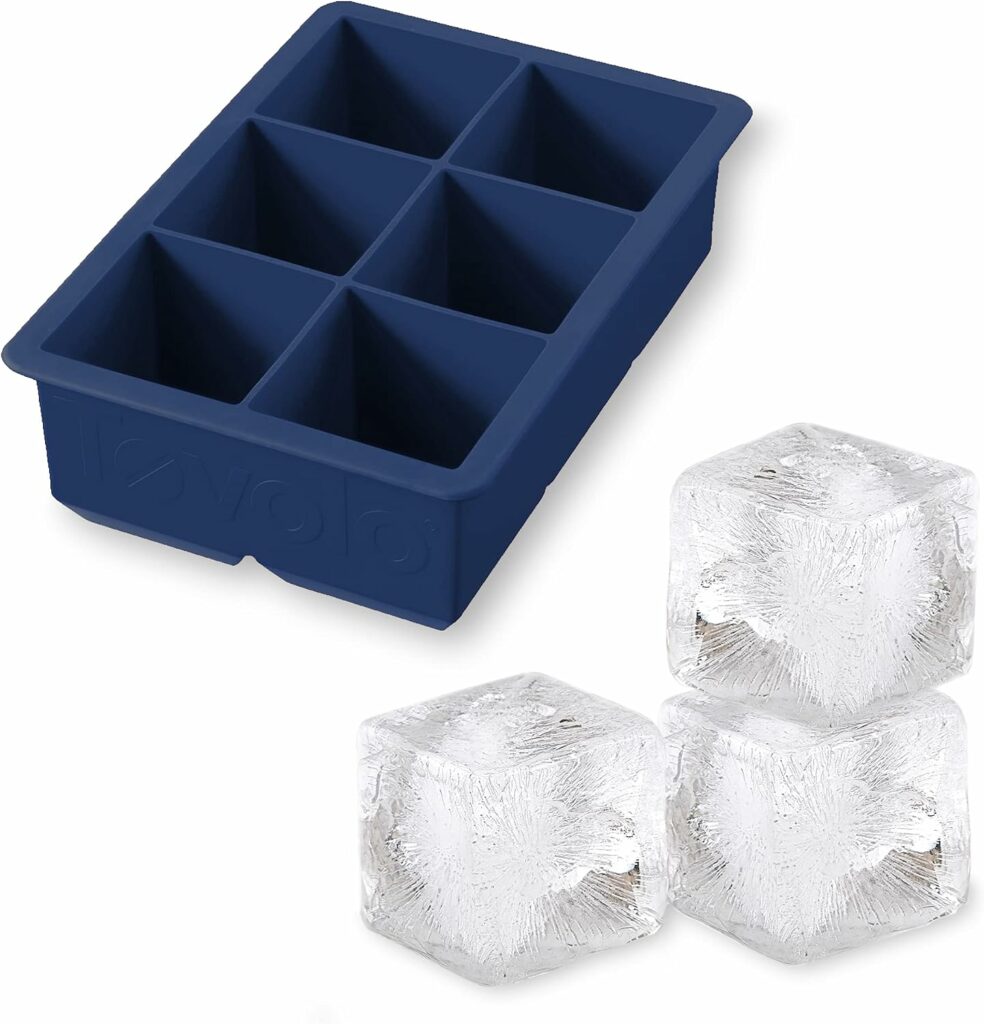
I don’t own a fridge with an ice maker, and so for the past few years have been relying on the cheap white ice trays that seem to inhabit everybody’s freezer. They’ve done their job, but never very well. Recently, however, I picked up the Tovolo King Cube Ice Tray and have been blown away with the oversized ice cubes it produces.
The silicone ice tray produces the largest cubes of ice (they’re 2″ x 2″) of any tray I’ve seen. Outside of being a gigantic novelty, the increased size is a boon as it reduces the surface area to volume ratio. This means the ice melts slower in your drink keeping it cold longer while minimizing how much it waters down your drink. I hadn’t expected it to make that much of a difference, but it’s really astonishing how much longer the ice remains in the drink. I’ve found these large cubes are downright perfect for cocktails like a gin and tonic, and while I’m no whiskey connoisseur I imagine they’d be even more at home in a scotch on the rocks. Simply put there’s something special about having an oversized piece of ice clinking in your glass.
Another design plus is that the silicone tray holds a greater volume of water than other ice cube trays I’ve tried (which all seem to hold a pitiful amount of water), while taking up less valuable freezer real estate (the tray is significantly taller, and not as long as my old trays). Popping the ice cubes out takes a bit of wrangling, but no more so than cracking traditional ice trays, and because silicone is a good insulator you’re not left with ice cold hands in the process.
The only downsides I’ve found so far are that the flexible silicone tray can twist and bend and slosh while finagling it into the freezer, and the fact that it only makes six cubes at a time. This hasn’t been a problem for me as it takes fewer cubes (read: one) to cool down most drinks.
Overall, these big ice cubes are just plain cool, and for $9 it’s a cheap and functional upgrade to any freezer. — Oliver Hulland
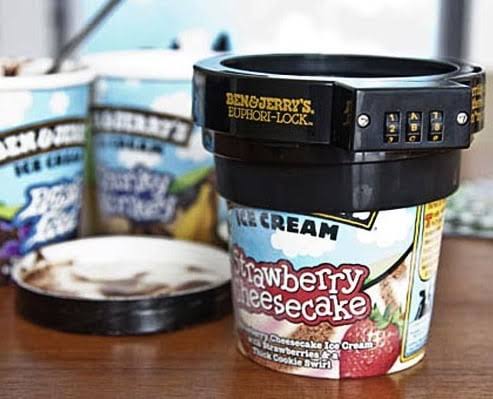
Due to roommates that didn’t quite understand my displeasure at my consistently disappearing ice cream, I had to resort to this. Not a gag, it is actually is designed with the intention to work. Though I suppose that since the container it is “locking” is made of waxed cardboard (which can be deformed a bit) it won’t keep out a serious professional penetration attempt.
I found that it sends a warning message, sort of like one of those little LED’s you put in a car to give the appearance of having an alarm. — Morgan Davis
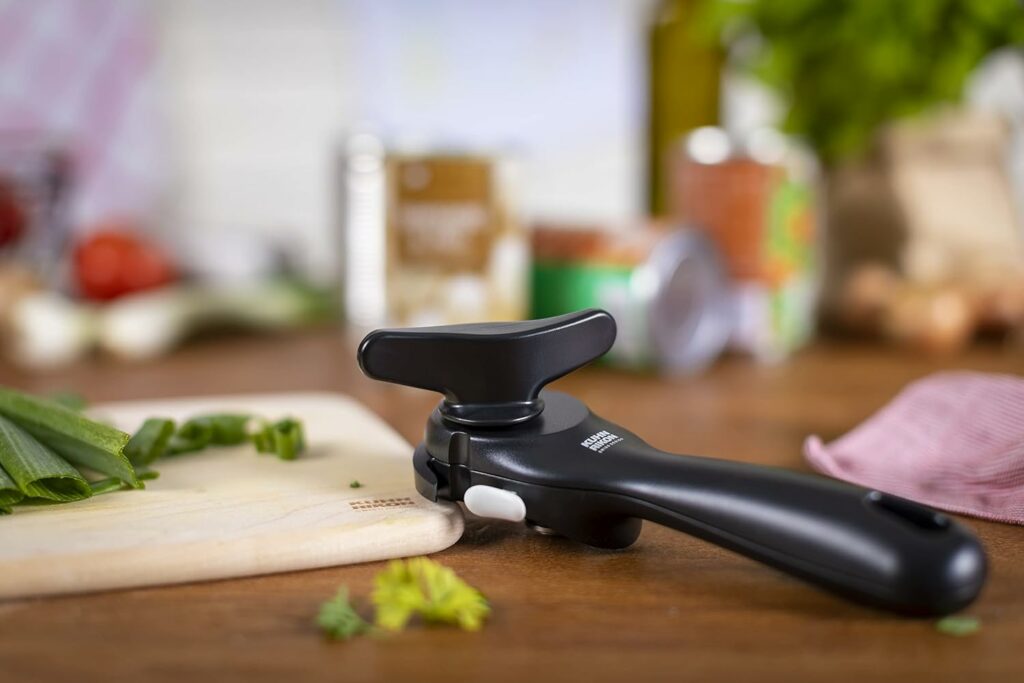
It may be a terribly long and unwieldy name, but it is far and away the coolest can opener I have ever used.
Why? The blade cuts into the can *below* the rim so the lid never falls into the food, and the blade doesn’t touch the food either. You can use it to open “pop top” lids as well. A can opened with this tool will have no sharp edges. Apparently, it works for both righties and lefties (not tried). Best of all you can challenge your friends by handing them the opener and a can and watch them figure out how to use it. — Marsh Gardiner
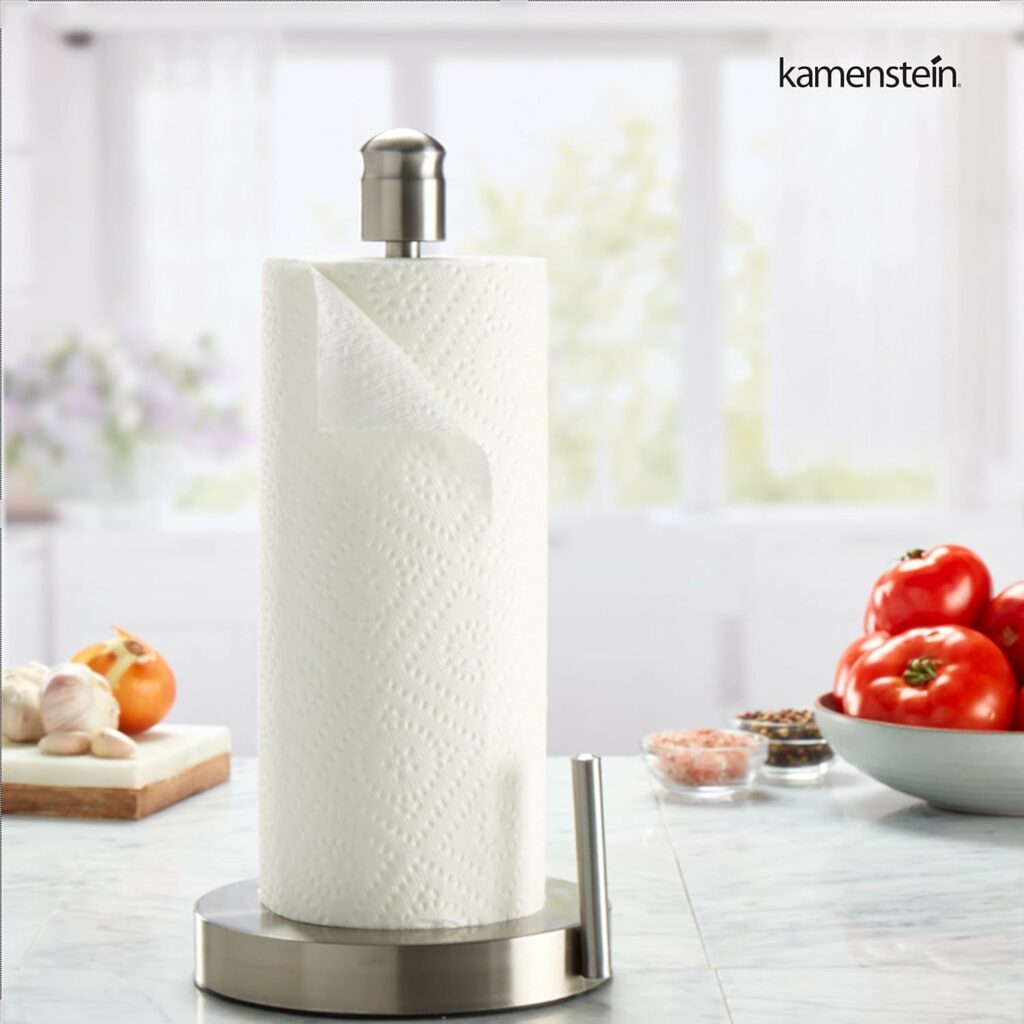
Most free-rolling paper towel dispensers just don’t work for me. Since I do a lot of food prep from my wheelchair, I can only grip with one hand. The genius of this “Perfect Tear” dispenser is how it allows enough freedom for the roll to unwind with a steady pull; yet, there’s still enough friction to prevent further unwinding when you pull to detach the sheet.
The secret? 1) The center post is a series of bowed wires that contract and hold the paper roll snugly in place; and 2) The base weighs about four pounds, which adds stability.
No more chasing unwinding rolls of paper across the kitchen floor. Or getting five sheets when I only need one. Better still, it works just as well at the end of the roll as it does at the start. When a roll is out of sheets, just unscrew the top cap, slide off the cardboard tube, push on another roll and replace the cap. All of this can be easily performed one-handed.
After a couple of years, it’s still well worth the precious space it’s claimed on my very limited counter. — Eric Eales
Once a week we’ll send out a page from Cool Tools: A Catalog of Possibilities. The tools might be outdated or obsolete, and the links to them may or may not work. We present these vintage recommendations as is because the possibilities they inspire are new. Sign up here to get Tools for Possibilities a week early in your inbox.