Day: July 31, 2026
 07/31/26
Book Freak #220: The Mind’s I
Hofstadter and Dennett on the Strange Loop of Self and Consciousness
 07/31/26
Hofstadter and Dennett on the Strange Loop of Self and Consciousness


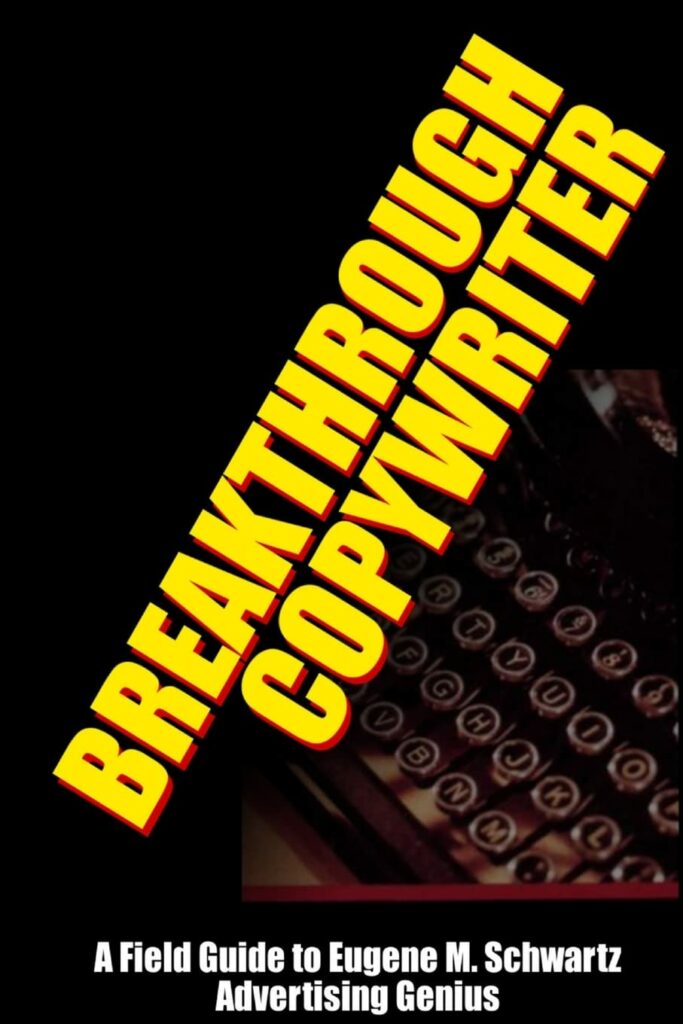
Breakthrough Copywriter distills Eugene M. Schwartz's legendary advertising principles into an accessible field guide that shows you how to tap existing desires, match your message to market awareness, and create ads that work.
The copywriter’s job is to aim people’s hopes, dreams, fears, and desires at a specific product.
“The desire must already be there. It must already exist. You cannot create it, and you cannot fight it. But you can direct it, channel it, and focus it onto your particular product.”
Schwartz identified five levels of awareness, from completely unaware to most aware.
“If your prospect is aware of your product and has realized it can satisfy his desire, your headline starts with the product. If he is not aware of your product, but only of the desire itself, your headline starts with the desire.”
The first advertiser to promise a benefit wins. As competitors pile in with the same claim, the market grows skeptical, and the next advertiser has to push harder.
“Copy that successful claim—but enlarge on it. Drive it to the absolute limit.”
Behind every purchase is a person reaching for a version of themselves they want to become, like the savvy investor, the devoted parent, or the independent thinker.
“He has gained, or he has been given, a whole new vocabulary of wants. He now buys, not only objects, but roles.”
“Copy cannot create desire for a product. It can only take the hopes, dreams, fears, and desires that already exist in the hearts of millions of people, and focus those already-existing desires onto a particular product. This is the copywriter’s task: not to create this mass desire — but to channel and direct it.”
Book Freak is published by Cool Tools Lab, a small company of three people. We also run Recomendo, the Cool Tools website, a YouTube channel and podcast, and other newsletters, including Recomendo Deals, Gar’s Tips & Tools, Nomadico, What’s in my NOW?, Tools for Possibilities, Books That Belong On Paper, and Book Freak.

© 2022
