Become a Patron!Support our reviews, videos, and podcasts on Patreon!
Cool tools really work.
A cool tool can be any book, gadget, software, video, map, hardware, material, or website that is tried and true. All reviews on this site are written by readers who have actually used the tool and others like it. Items can be either old or new as long as they are wonderful. We post things we like and ignore the rest. Suggestions for tools much better than what is recommended here are always wanted.
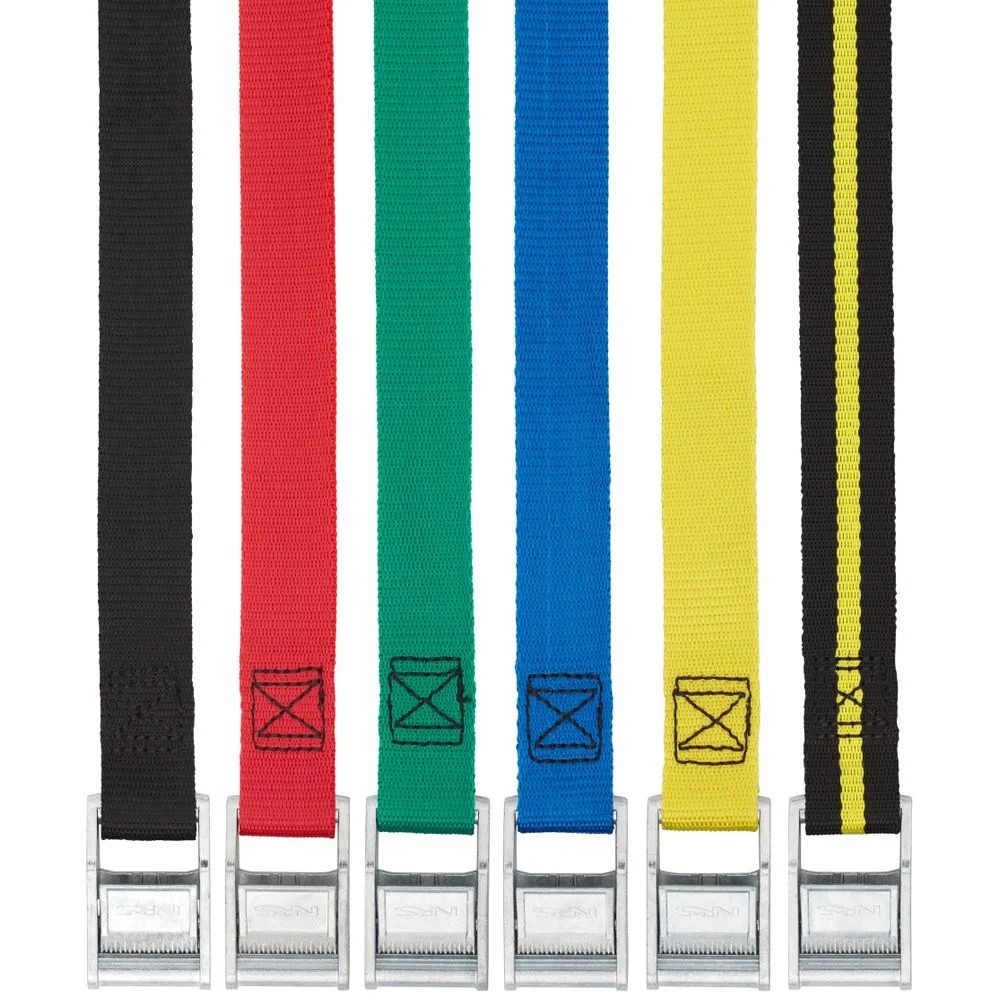
These straps are incredibly strong. The tensile strength of these 1.5 inchers is 2000 pounds. With their cam locks these NRS straps are easily and infinitely adjustable and can be cinched down very tight. They have almost no flex/stretch and can be used in situations where a bungee would be too weak or stretchy and would not be “bomb-proof” like a cam strap.
If you are a river runner you are already familiar with these straps. They hold your boat, frame and oars on your truck for the drive to the put-in. You then use them to hold the frame to the boat, your bags, spare oar and rocket boxes to the frame. The originals are 1″ wide and come in sizes from 1 foot up to 20 feet. As a commercial boatman I used these for everything from bundling firewood collected for that nights campfire to pulling a truck out of a ditch.
NRS has come out with a 1.5″ model that is the perfect width. I have even been using one for several months as a belt. In a pinch it can be used (at the risk of my shorts heading south) to strap/bind/tow just about anything. I keep two of the twenty footers in my truck at all times. These straps are a permanent part of my kit, right next to the duct tape, bailing wire and channel locks. — Topher Stephenson
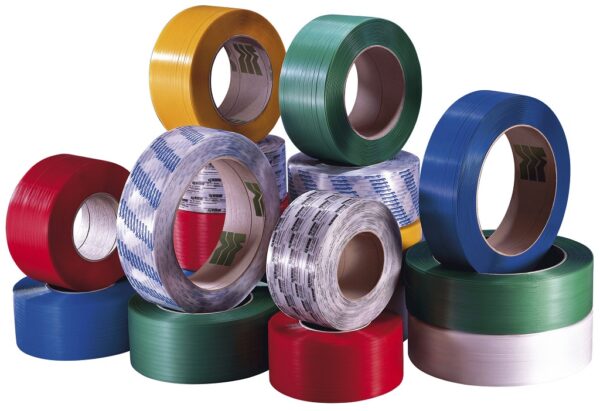
You can see all the different strap types and strap hardware (buckles, tie downs, keepers, clips, etc.) in use on all sorts of stuff swirling around us in daily life. But if you want to get some for your own projects?
Strapworks.com has pretty much all of it. Metal or plastic hardware. All sorts of strap and webbing material.
Inexpensive, easy to work with. Helped me a few times, and I know I will continue to use them when the need arises. — Wayne Ruffner
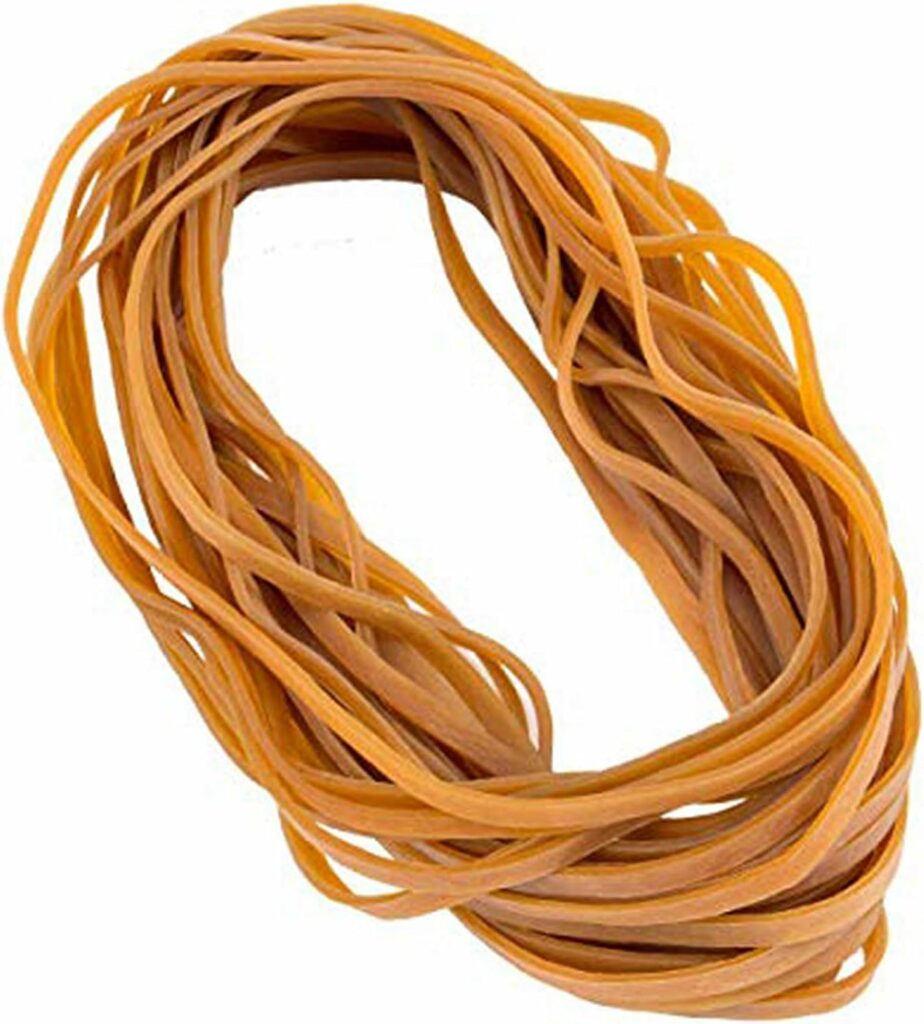
I have been buying one pound packs of rubber bands from LFSMarine for over five years now (along with their cheap and tough nitrile gloves and barge glue). My first buy was an impulse one. I thought, “It’s hard to find this size rubber band (3/4″ x 6″) and, besides, I wanted to make some slingshots so…” I got a one pound bag. When you get them, you realize a pound of these is a lot of banding material. With that abundance, you don’t stint their use.
I love them for binding together papers and books (I teach so I always have a few in my desk.) I have used them to hold wood in place for gluing. I use them along with barge glue and duct tape to splice materials together in the garden. And I use them for sling shots., too. In fact they are always in mind and on hand for any kind of kludge. I usually buy a couple of pounds of them at a time for less than ten bucks.
It’s fun to give them as gifts just for the odd looks you get now and the thank-yous you continue to get as they too discover that these bands are handier than a pocket on a shirt. Perfect for the maker/tinkerer in you and yours. — Terry Elliott
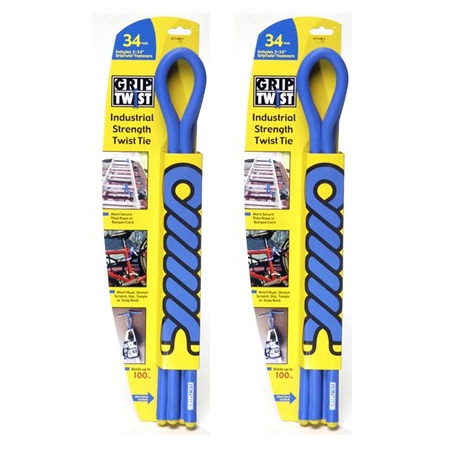
I picked up four of these at my local container store, not knowing exactly how I’d use them, but guessing they’d come in handy. Within 48 hours I’d already used them twice-once to secure the barrel of my telescope to its collapsed tripod for easy transport to a remote location, and then to stabilize a table and chairs in the back of my car for a trip across town-both times with great success. These giant, rubberized “twist-ties” were much more efficient and easier to use than a bungee cord in both cases.
Griptwist offer several advantages over bungees in particular. First, they provide “point-to-point” stability, rather than “tie-down” or “net-like” attachment. For example, when moving dining room furniture in the back of my car, I was able to use four Griptwists to connect the legs of chairs to each other, etc., at critical points, so that the entire mass (i.e., of one table and four chairs) was stabilized from within, rather than essentially trying to “net” or “wrap” the mass together from the outside, with bungee cords. Second, with bungee cords, there’s always a certain amount of “give,” unless you stretch them to their maximum, which isn’t always practical; bungeed objects will often move a bit more than you want them to. Third, if you do stretch bungee cords to their maximum, they exert great pressure on the object being contained. I wouldn’t have wanted to use bungees around the barrel of my telescope, for example. The Griptwists remain as tight (but only as tight) as you tie them, with no inherent potential energy to give or take along their own length like elastic bands. This brings to mind a fourth benefit: no danger of “snapback” when it’s time to unload or unpack.
Some things will always have to be netted down, and sometimes the stretchiness of bungees provides a benefit in and of itself (like the ability to squeeze one more last-minute object under the cords, without having to repack). Moreover, from the outside to the extent they lack handy points where a Griptwist could be employed (e.g., a couch, a canoe, a stack of luggage or boxes). But for temporarily affixing one object to another in a point-to-point fashion, with stability, I see more everyday utility in the Griptwist. — Adam Zaner
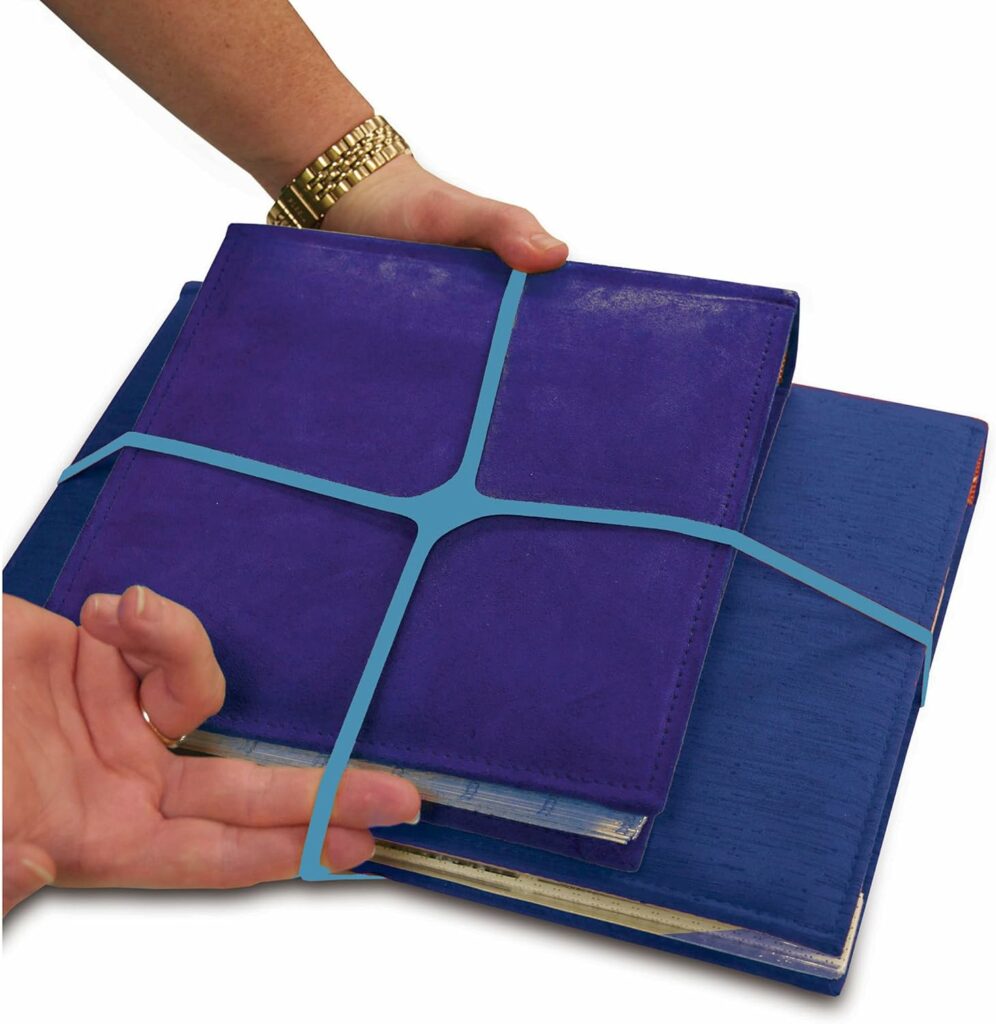
These hefty four-way rubber bands are so much more useful that a plain old rubber band. Also they can be used decoratively on a simple brown-paper-wrapped gift. Or as a solid tie for bundles of magazines or newspapers. — Kaz Brecher
Once a week we’ll send out a page from Cool Tools: A Catalog of Possibilities. The tools might be outdated or obsolete, and the links to them may or may not work. We present these vintage recommendations as is because the possibilities they inspire are new. Sign up here to get Tools for Possibilities a week early in your inbox.