Family








 12/8/15
Drinkwell Original Pet Fountain
Provides constant stream of water that encourages your pets to drink more
 12/8/15
Provides constant stream of water that encourages your pets to drink more


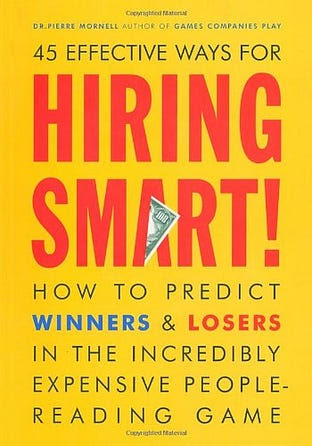
Hire smart, your company wins; hire dumb, you die. People are the scarce resource in the new economy, but no one teaches employees how to hire people. Successful fast-growing companies have caught on. They now hire people who are good at hiring others. Between these book covers is a million dollars worth of hiring advice, the best anywhere. If you are in business, ignore at your peril. — KK
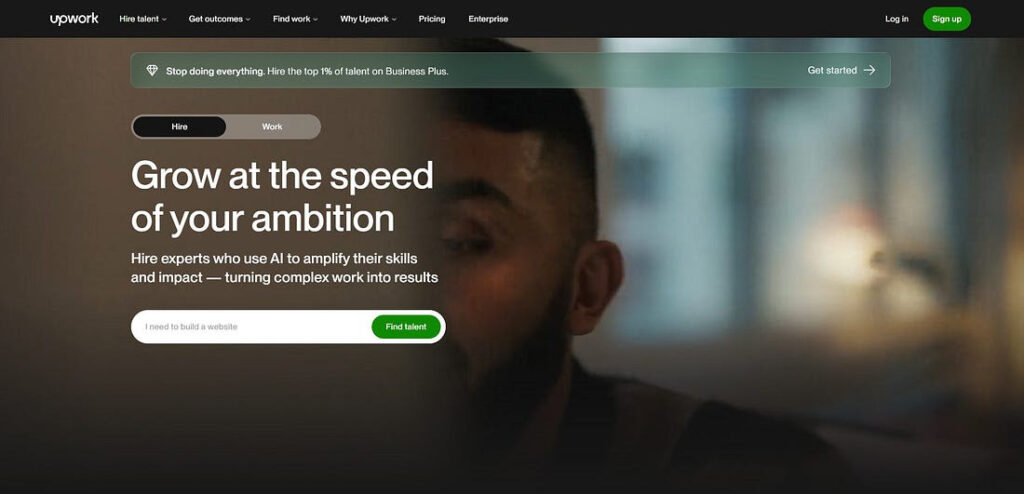
Elance is a global marketplace for freelancers. You post a job you want done, and freelancers around the world will bid on it in a matter of hours. Once the price and deadline are agreed upon, the work will be delivered to you very rapidly. Because of its global nature, your costs may be very low.
Elance has a pool of 135,000 pros expert in programming, design, writing, and legal matters. People use them to design a logo, create marketing materials, tweak a database, code a website, create an iPhone app.
I’ve used Elance to outsource projects at least 8 times by now and have had fantastic results. I’ve been most surprised by the high quality and professional management, particulary from overseas workers. It’s indeed inexpensive, but also great work. For one scripting job I got estimates from US shops as high as $6,000; it would take months from specs to testing. We went on Elance, got a bid for $250 to do it manually (without scripts) and it was done perfectly in a week. I’ve used Elance for Photoshop work, to hire designers, artists, and proofers. A lot of the work on this book was done by free-lancers hired through Elance. You could start a company with them. In fact Kevin Rose hired an Elancer to code the first version of the now popular website Digg.
Elance’s escrow service holds the payment and protects both the work provider and you the employer. The site provides status updates on work done, and plenty of communication between the parties. Workers must pass a competency test to qualify to be listed. Some freelancers can also pass expertise tests in a mild form of certification, say for working on java or ajax, etc. Elance freelancers did about $200 million of work last year and less than 1% of the jobs had any kind of dispute, and most of those were self-resolved by the fact that the entire transaction correspondence is logged.
While I first went to Elance for cheap labor, I now also go to get jobs done in a hurry, or to find expertise I can’t find locally. (Fifty percent of Elancers live in North America.) If you have work, and you know what you want, this is a great service.
The real trick in using Elance, or its competitors like oDesk, is in being able to specify the deliverable you want without spending more time that it would take to do the project itself. This kind of outsourcing is best for bite-sized chunks of work. The more precise you can detail your job the better that Elance or the others will work for you. It’s not good for consulting, hand-holding, or mind-changing assignments. But it can be cheap enough that you can try lots of things. It costs you nothing to post a job on Elance.
The way this work is: If you accept a bid, you pay the amount agreed up front and the site places your fee in escrow. (You can pay with PayPal.) They pay the talent when you are satisfied the work is complete and good. This protects them and you. The site’s commission comes out of the talent side; The winning free-lancer will pay a 8.75% fee to Elance. (You don’t pay the site anything).
It works very well. BTW, the bidders are often small companies rather than just individuals. Fees I’ve paid for work have ranged from half to one tenth of what we might otherwise have to pay. And it is not just for coders. I hired a guy to run ethernet cable in our home, and others have found a videographer for their wedding, or a translator for their manual, etc. Some of the folks I have hired live in Turkey, or India, Argentina. Like any remote relationship, you get what you put into it.
It’s a great tool when you need to hire expertise.— KK
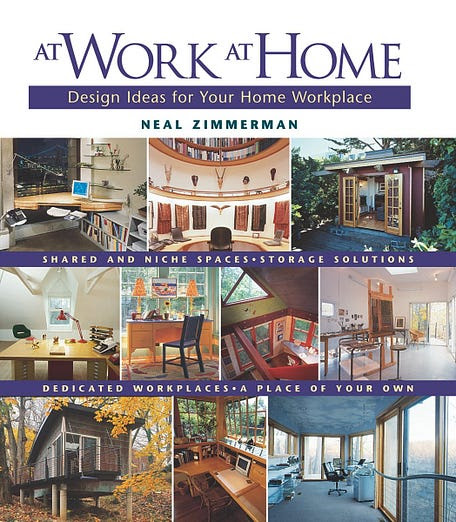
At Work at Home: Design Ideas for Your Home Workplace
Not all home-office work is typing at a keyboard. That’s why this home-office design book is heads above the others. Maybe you are a weaver, or a landscape architect, or antique toy restorer. When I had a chance to design my own home office attached to our house I found the clear advice, helpful design ideas and visual inspiration in this portfolio to be the best of the bunch. —KK

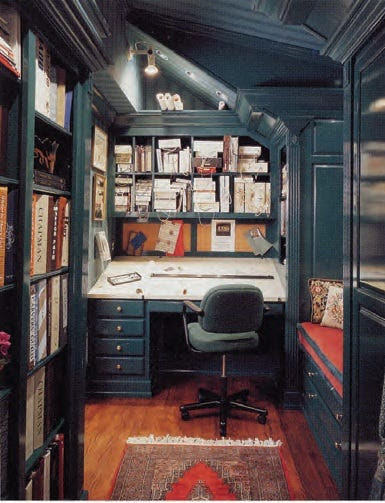
Once a week we’ll send out a page from Cool Tools: A Catalog of Possibilities. The tools might be outdated or obsolete, and the links to them may or may not work. We present these vintage recommendations as is because the possibilities they inspire are new. Sign up here to get Tools for Possibilities a week early in your inbox.

© 2022