Become a Patron!Support our reviews, videos, and podcasts on Patreon!
Cool tools really work.
A cool tool can be any book, gadget, software, video, map, hardware, material, or website that is tried and true. All reviews on this site are written by readers who have actually used the tool and others like it. Items can be either old or new as long as they are wonderful. We post things we like and ignore the rest. Suggestions for tools much better than what is recommended here are always wanted.
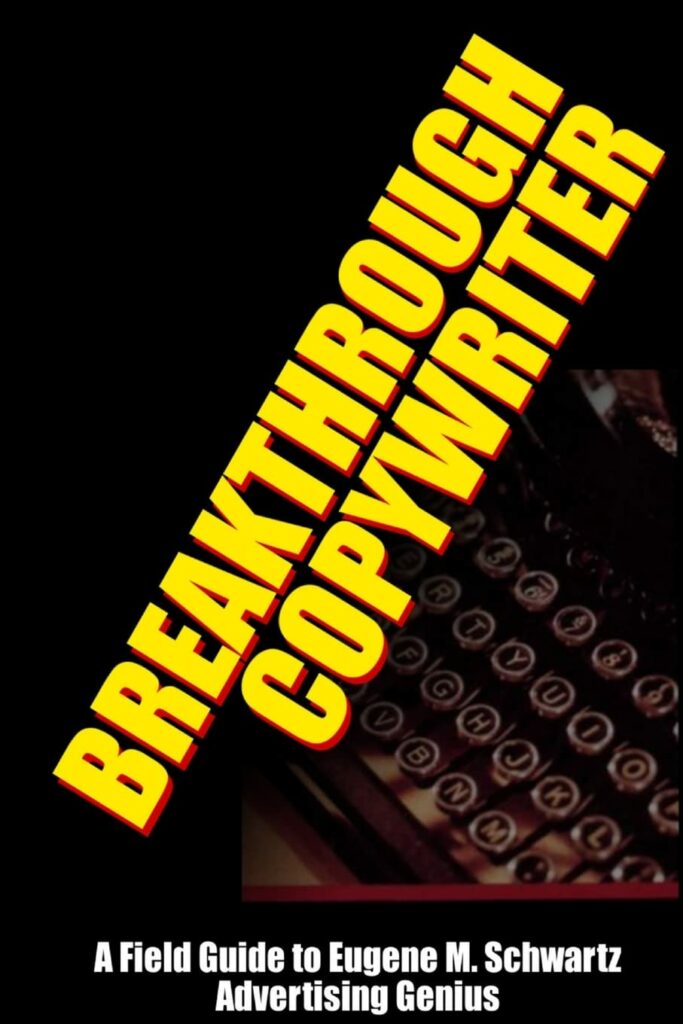
Breakthrough Copywriter distills Eugene M. Schwartz's legendary advertising principles into an accessible field guide that shows you how to tap existing desires, match your message to market awareness, and create ads that work.
Core Principles
Channel Mass Desire, Don’t Create It
The copywriter’s job is to aim people’s hopes, dreams, fears, and desires at a specific product.
“The desire must already be there. It must already exist. You cannot create it, and you cannot fight it. But you can direct it, channel it, and focus it onto your particular product.”
Match Your Message to the Awareness
Schwartz identified five levels of awareness, from completely unaware to most aware.
“If your prospect is aware of your product and has realized it can satisfy his desire, your headline starts with the product. If he is not aware of your product, but only of the desire itself, your headline starts with the desire.”
Understand Market Sophistication
The first advertiser to promise a benefit wins. As competitors pile in with the same claim, the market grows skeptical, and the next advertiser has to push harder.
“Copy that successful claim—but enlarge on it. Drive it to the absolute limit.”
Find the Roles Your Customer Wants to Play
Behind every purchase is a person reaching for a version of themselves they want to become, like the savvy investor, the devoted parent, or the independent thinker.
“He has gained, or he has been given, a whole new vocabulary of wants. He now buys, not only objects, but roles.”
Try It Now
Pick something you want to sell or promote. Instead of listing its features, write down three desires your audience already has that this thing satisfies, rather than explaining what the product does.
How aware is my audience? Do they know they have a problem? Do they know solutions exist? Do they know my specific solution? Write your opening line to match that awareness level.
Study three competitors in your space. Notice the claims they make. What can you claim that they can’t?
Quote
“Copy cannot create desire for a product. It can only take the hopes, dreams, fears, and desires that already exist in the hearts of millions of people, and focus those already-existing desires onto a particular product. This is the copywriter’s task: not to create this mass desire — but to channel and direct it.”