Become a Patron!Support our reviews, videos, and podcasts on Patreon!
Cool tools really work.
A cool tool can be any book, gadget, software, video, map, hardware, material, or website that is tried and true. All reviews on this site are written by readers who have actually used the tool and others like it. Items can be either old or new as long as they are wonderful. We post things we like and ignore the rest. Suggestions for tools much better than what is recommended here are always wanted.
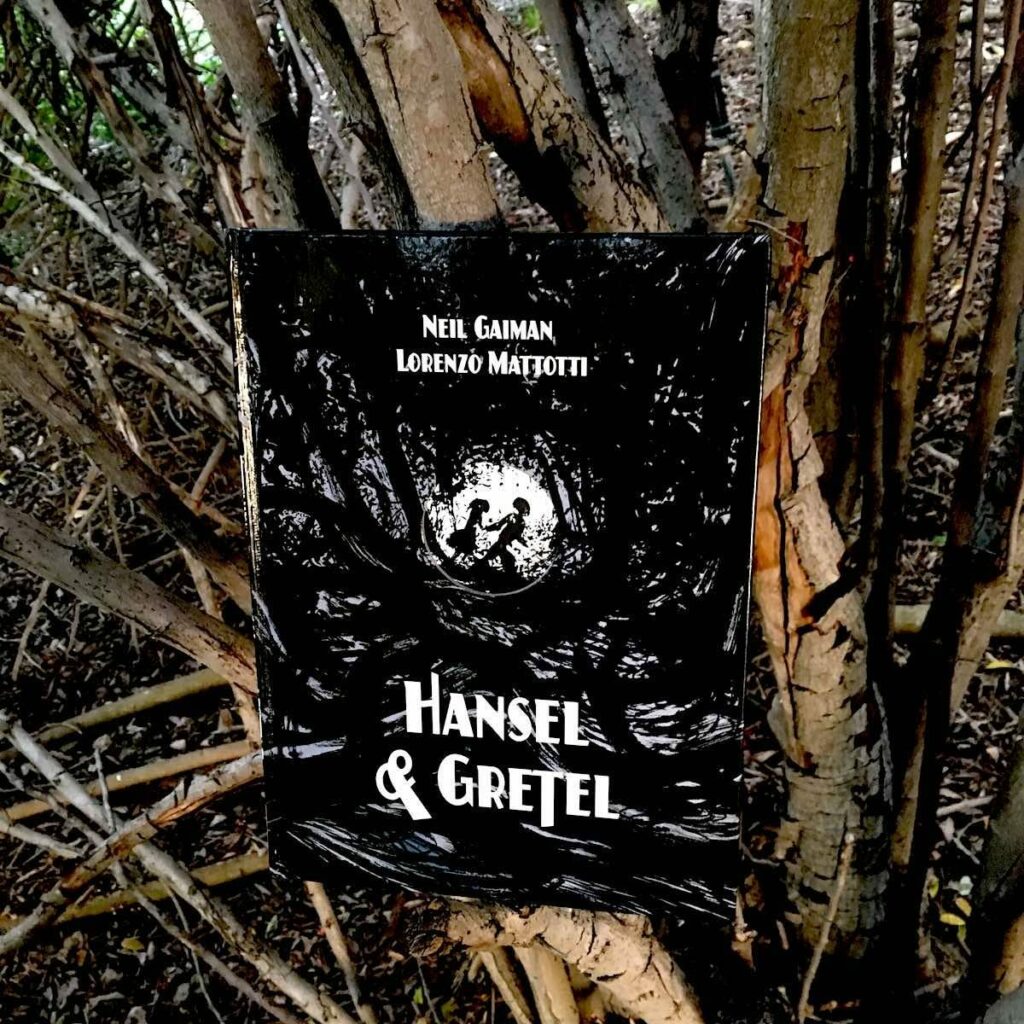
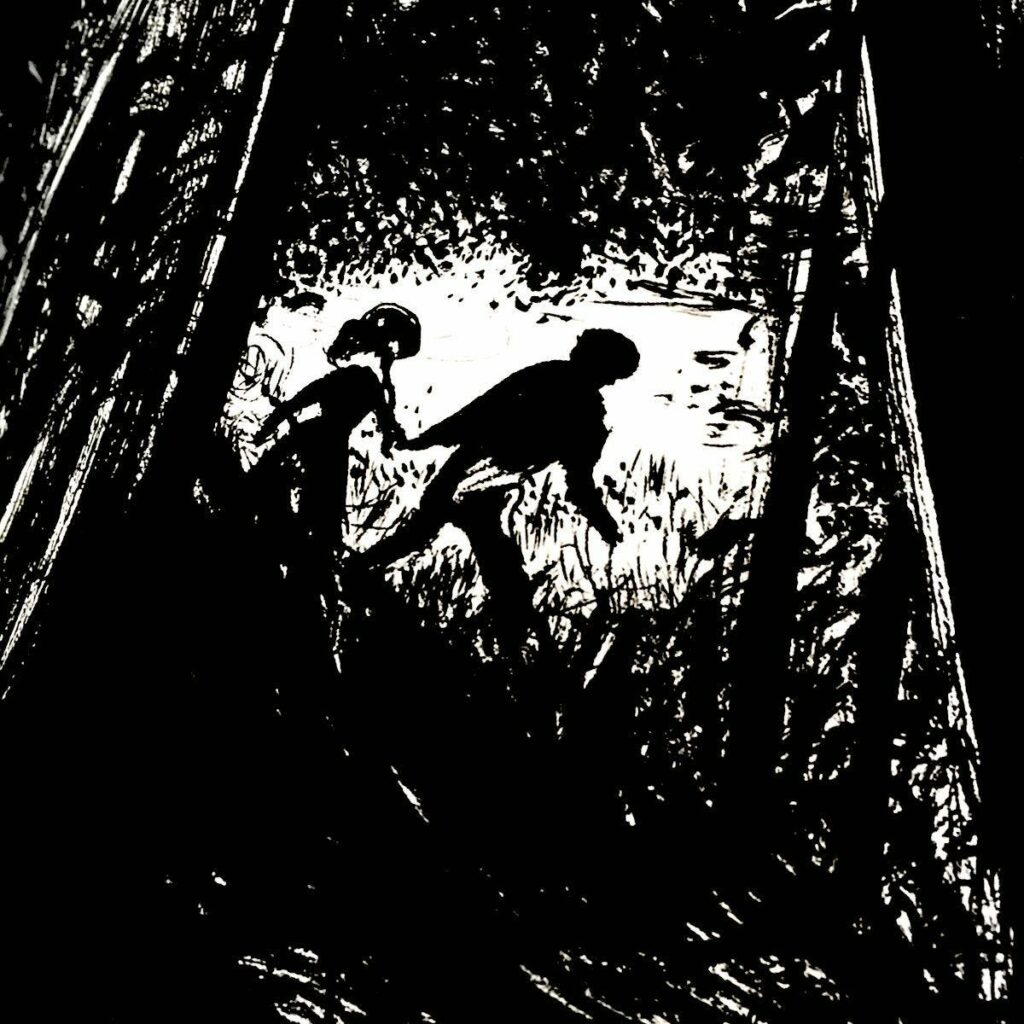
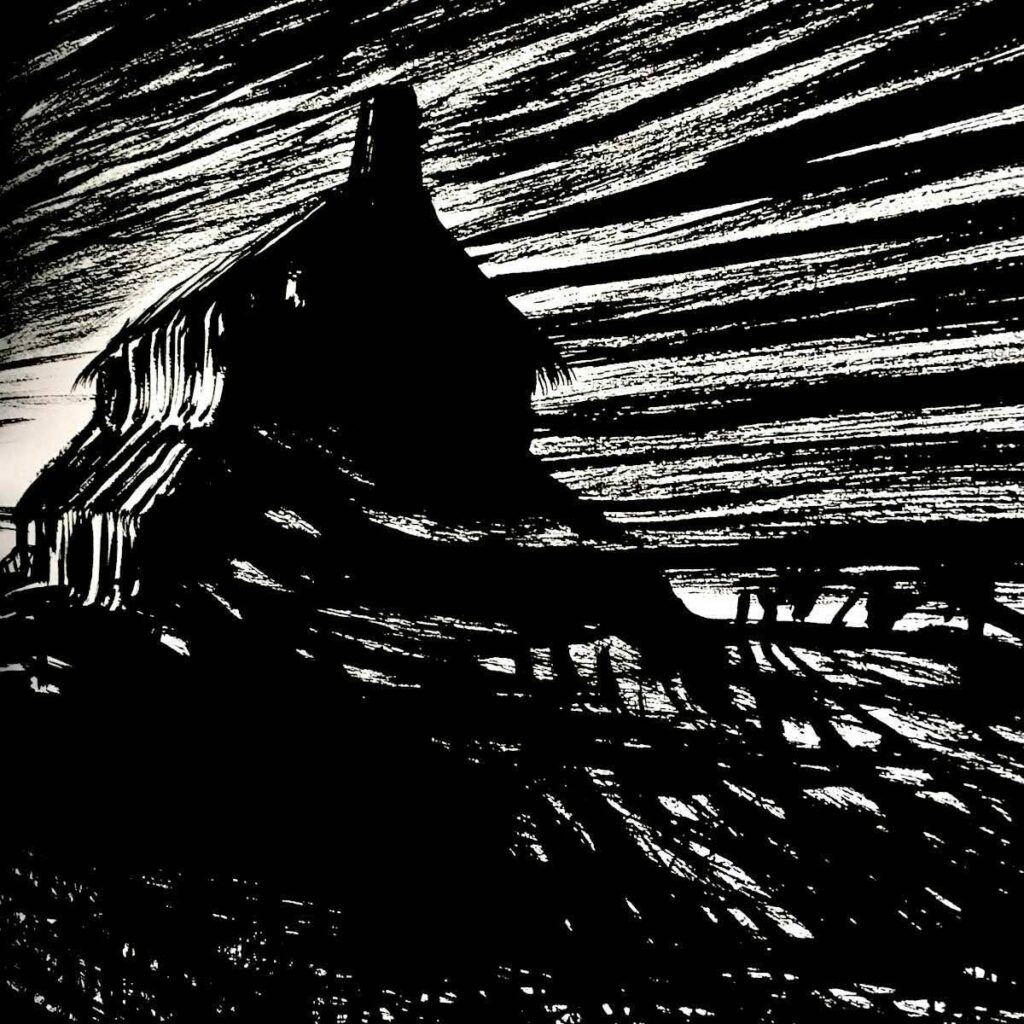
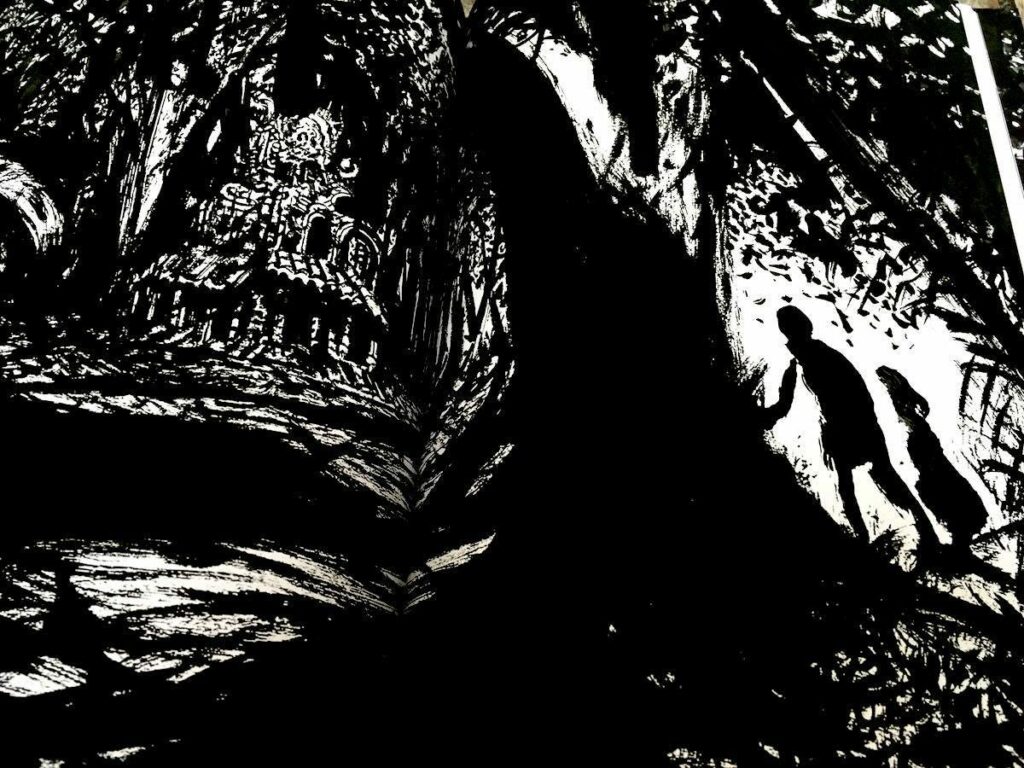
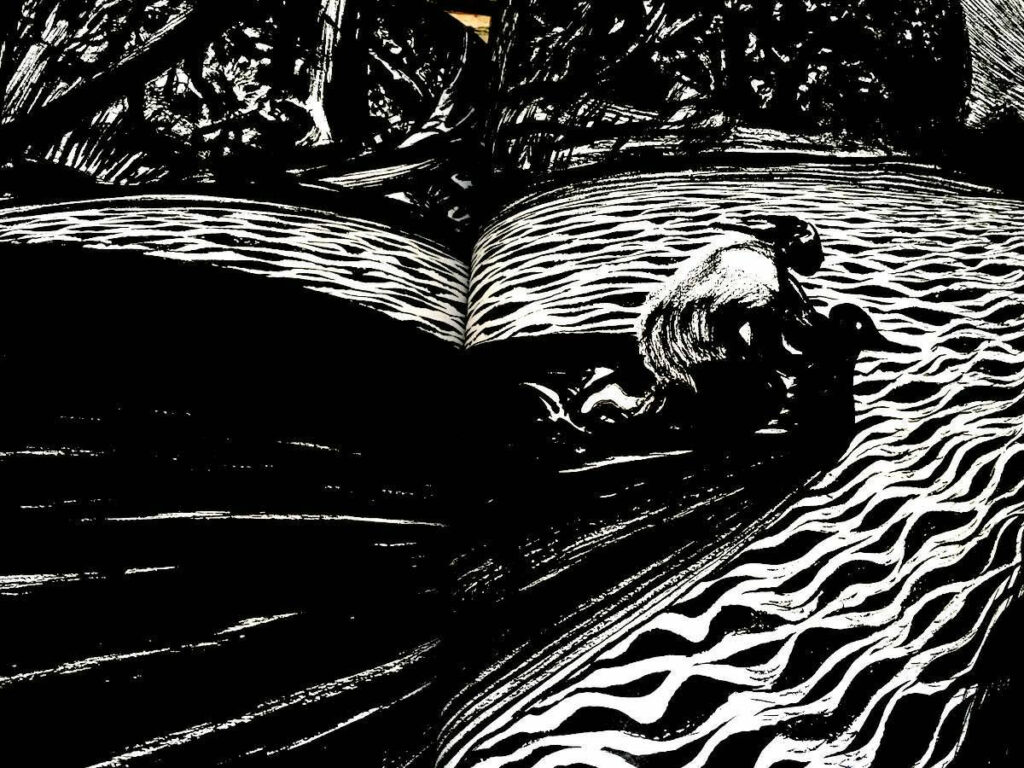
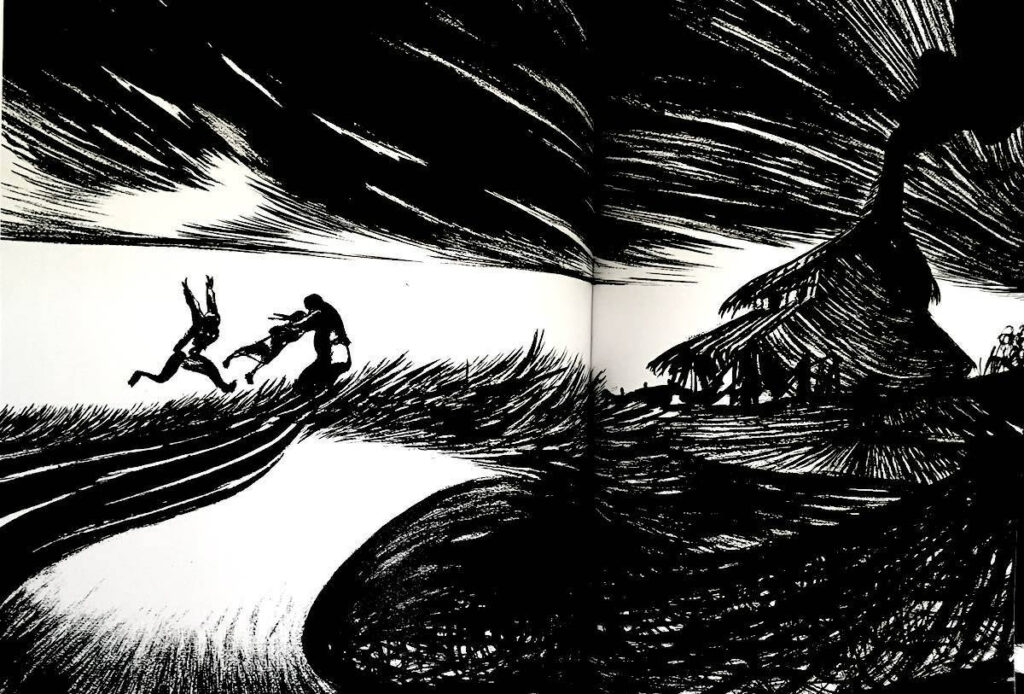
Neil Gaiman’s stirring narrative of Hansel and Gretel combined with artist Lorenzo Mattotti’s oppressively black illustrations give the Brothers Grimm fairytale a nightmarish quality different from what I remember as a kid. Back then the terrifying takeaway was the trusting old woman in the candy-coated gingerbread house who transformed into a mean and hungry cannibal. Don’t get me wrong, the evil old woman is still mighty sinister in Gaiman’s book, but this time the takeaway was the horror of parental abandonment and betrayal. Maybe because I’m now an adult, or maybe because it wasn’t told in such detail when I was a kid (I can’t remember), the events leading up to Hansel and Gretel finding the gingerbread house in this version are quite unsettling. Although it’s a great creepy book for kids, I’d be careful not to read it to younger children who might be sensitive to the darker side of fairy tales. After all, there are no good fairies in this book. – Carla Sinclair
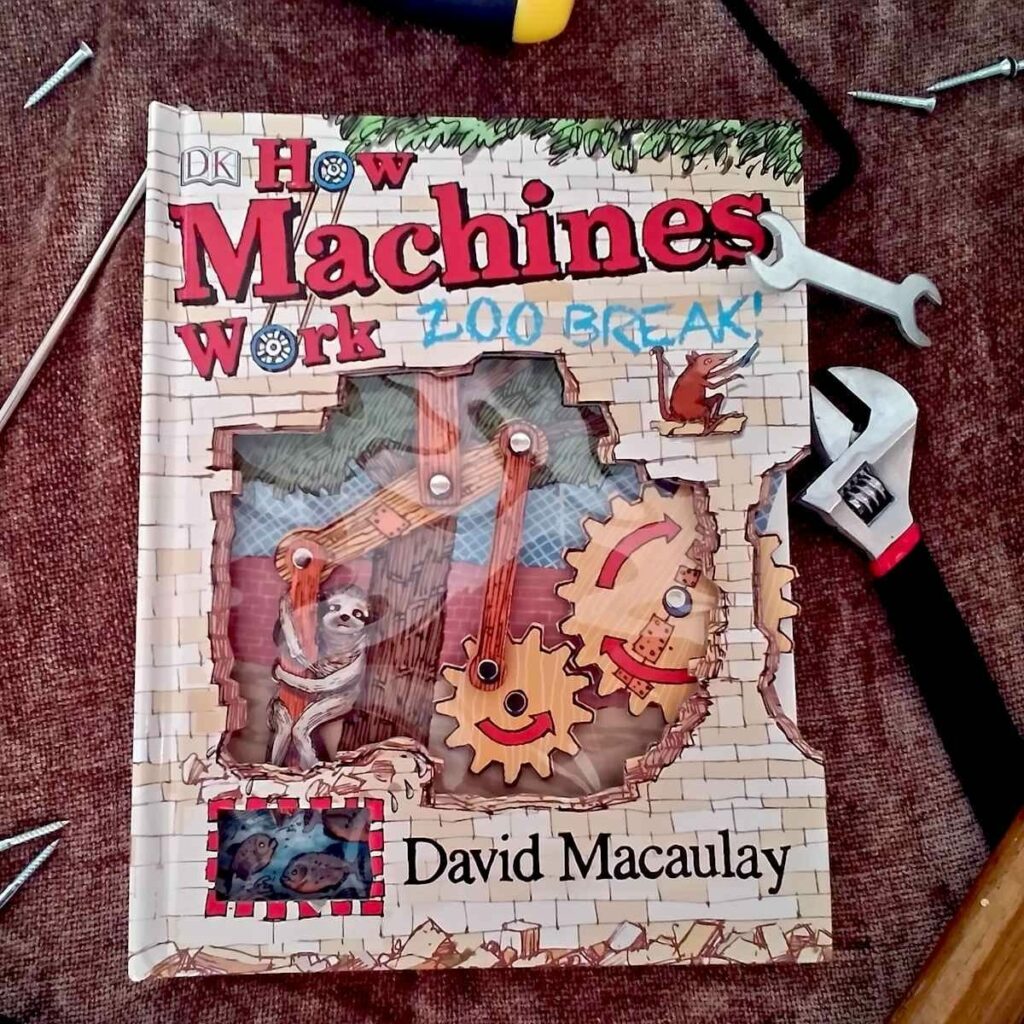
HOW MACHINES WORK: ZOO BREAK! – AN INTERACTIVE BOOK OF BUILDING MACHINERY AND MOVING GEARS
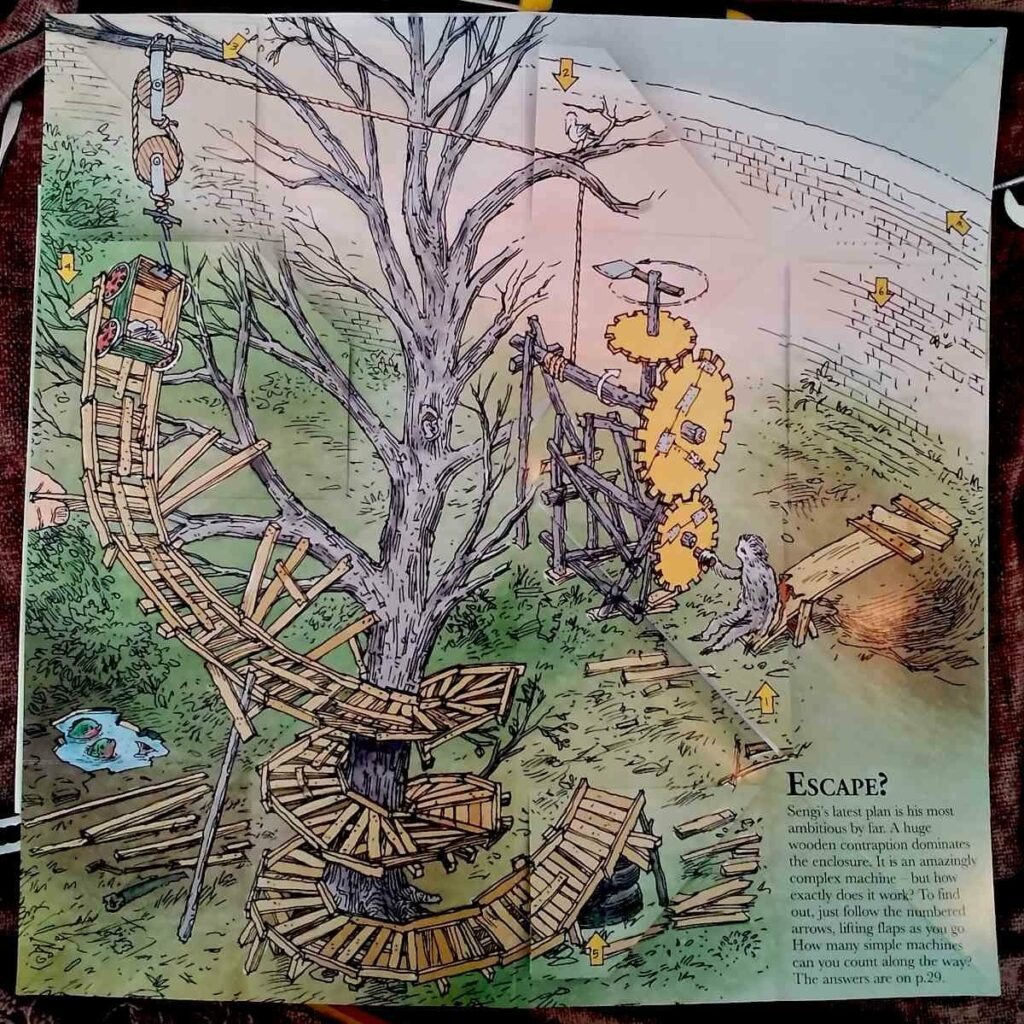
How Machines Work: Zoo Break! by David Macaulay DK Children 2015, 32 pages, 8.7 x 11.1 x 1.3 inches
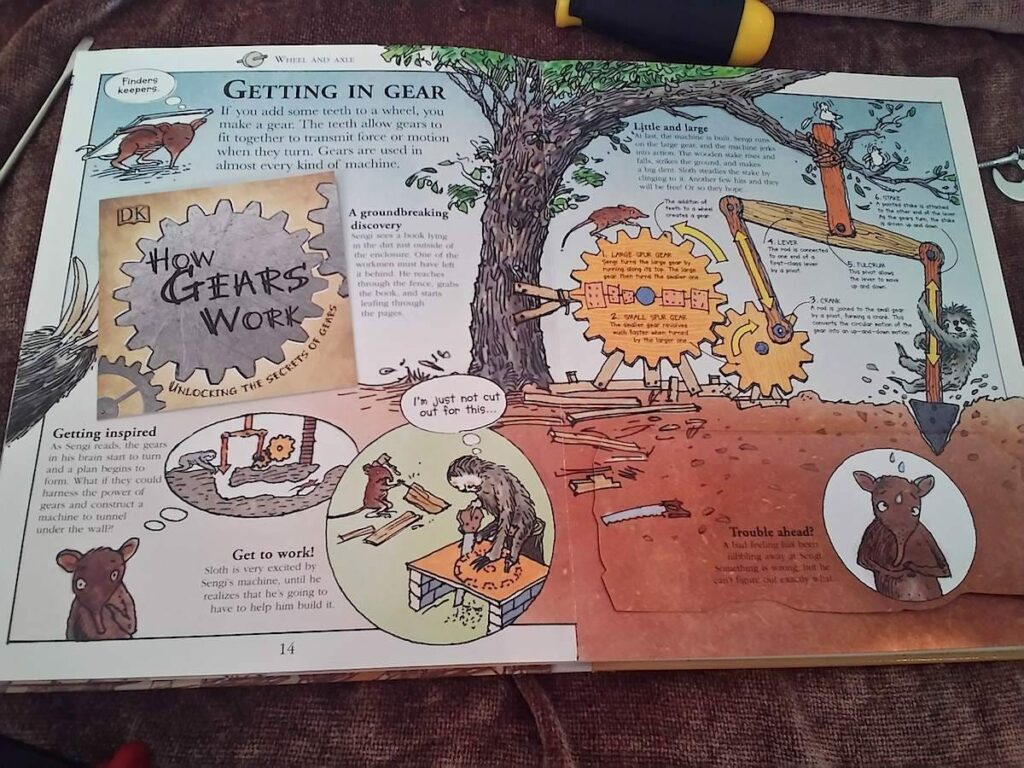
Walking through the children’s section of any given book store, this book will immediately catch your eye. The front cover has gears sticking out the side, and if you turn them, you can see one of our main characters moving up and down on a wheel and axel system. Open the book, and you’ll be treated to even more interactive illustration done in the book’s playful art style.
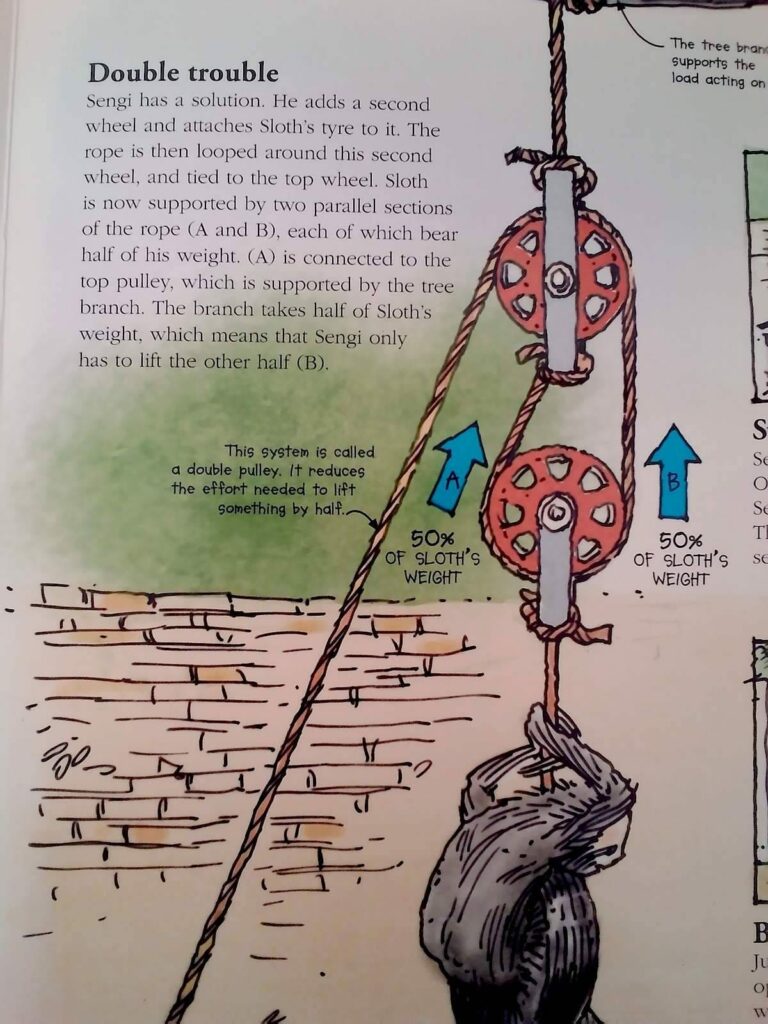
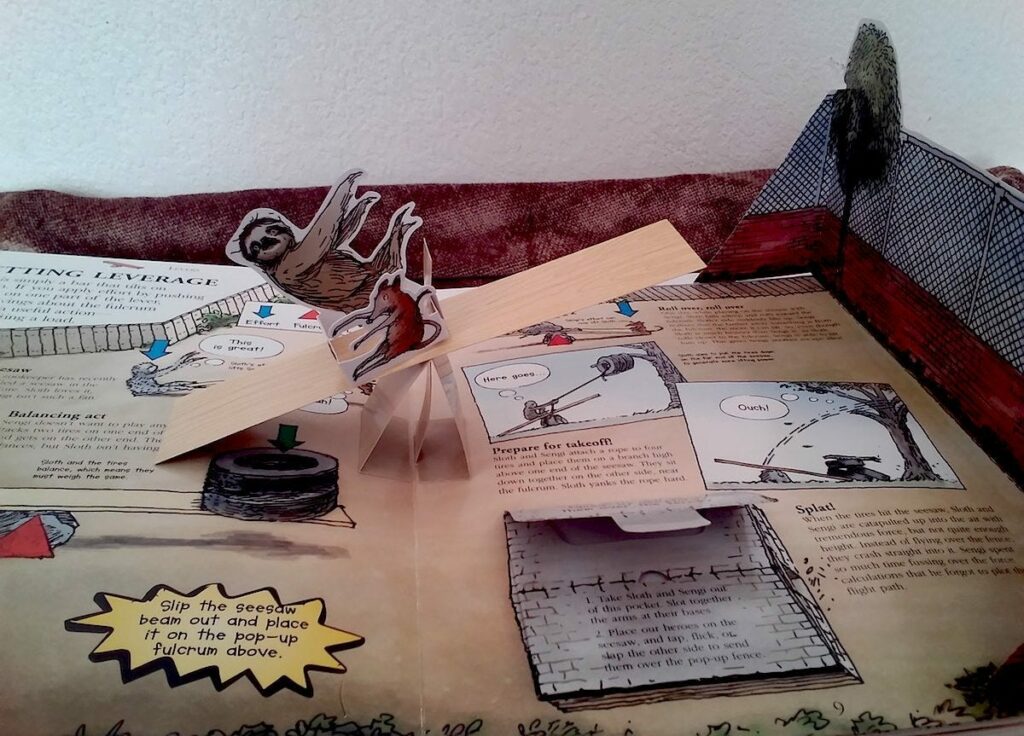
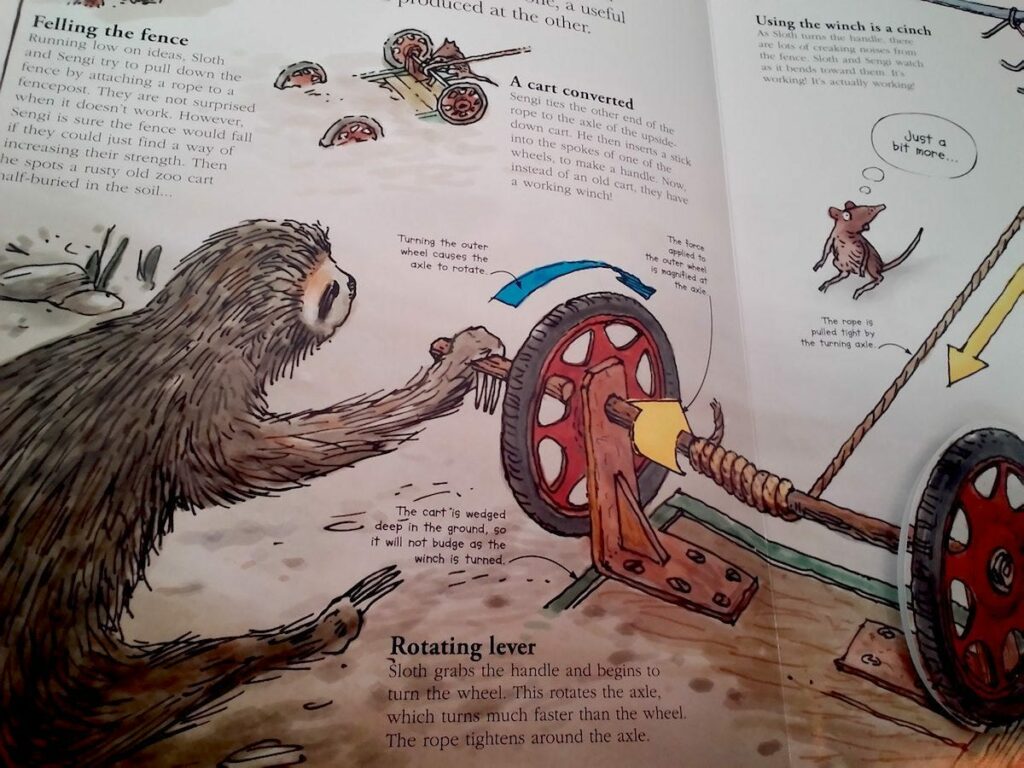
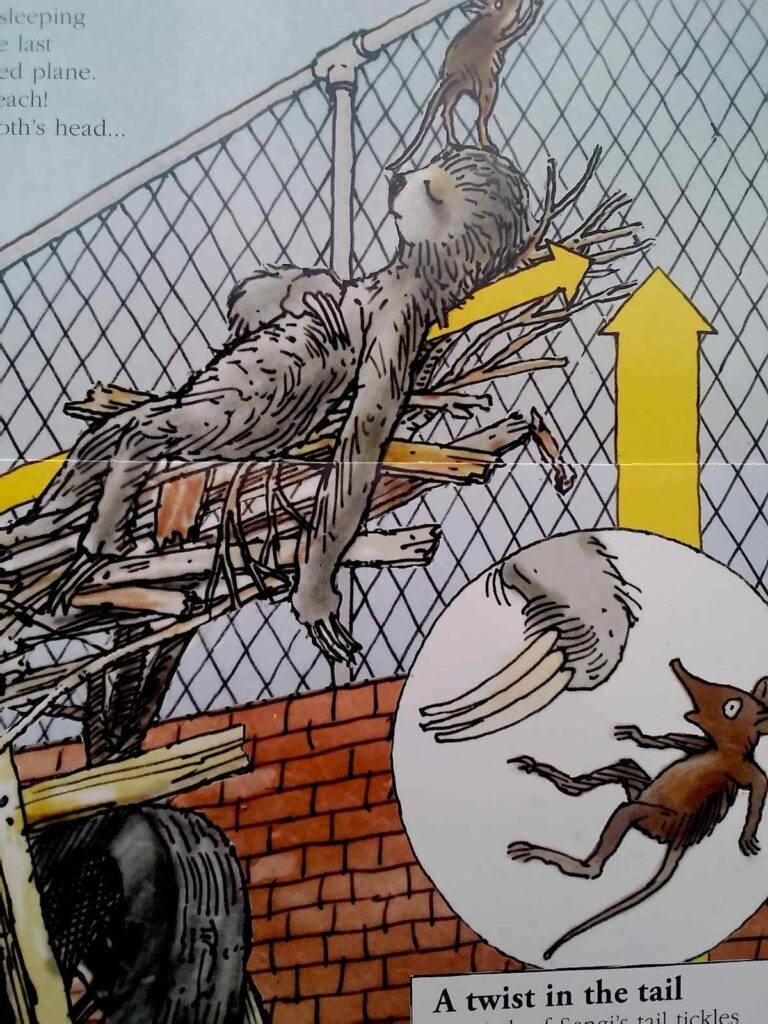
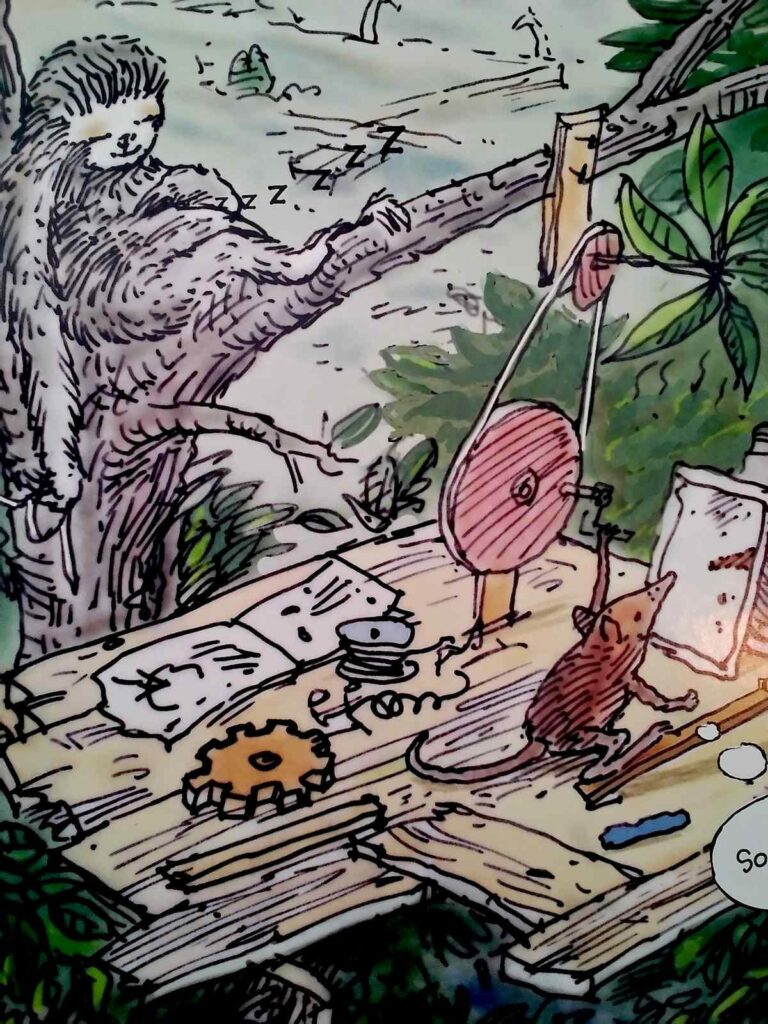
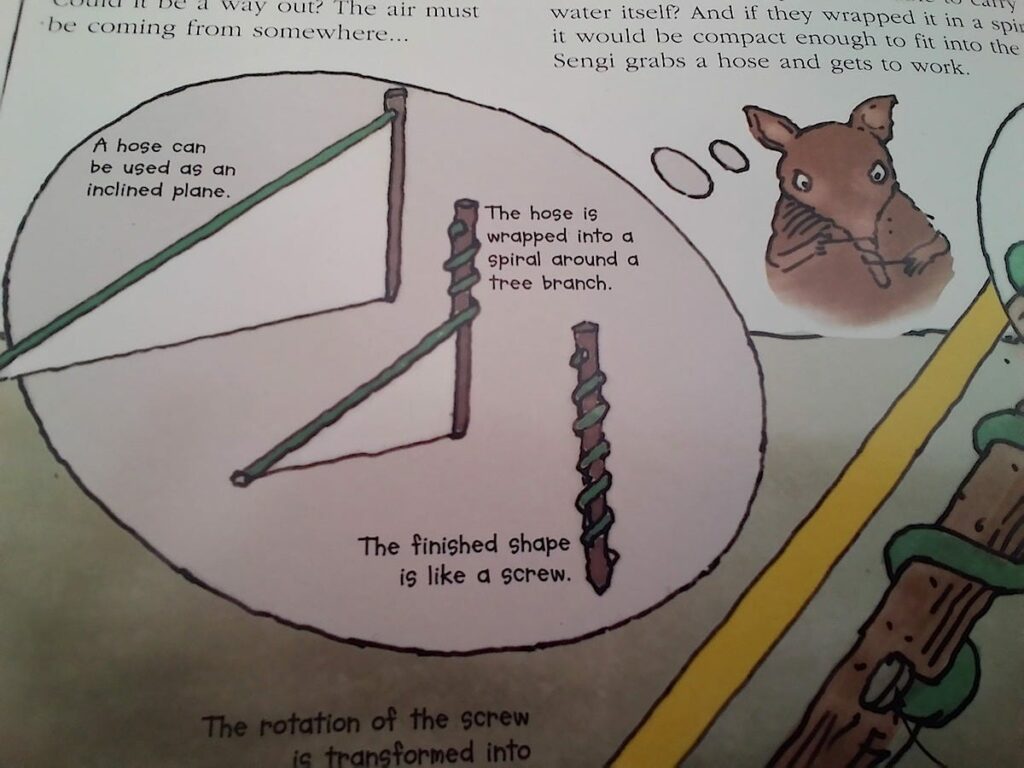
The plot of the story follows two friends who live in a zoo, Sloth and Sengi. After many years of living there, they have decided to escape using some simple machines. Along the way, they encounter many problems (as you can imagine would occur when a sloth and a variety of elephant shrew attempt to scale a zoo enclosure). Each page outlines a different type of machinery and invites the reader to learn about how each system functions. When Sloth and Sengi try and use an inclined plane to escape, the narrator demonstrates why it takes less effort to climb up an inclined plane than straight over the vertical fence. Later on, this idea of the inclined plane returns when Sloth and Sengi try and use a screw to escape. Probably my favorite section of the book involves the section on levers. The author outlines how a lever functions with an effort, a fulcrum, and a load. You can construct a lever from cardboard cut-outs in the book, and then use it to try and fling Sloth and Sengi over the fence of their enclosure, usually with more success than our main characters.
The art style is delightful, with playful, sketchy designs, and fold-out panels introducing new information. The various hijinks of the main characters are illustrated with humor and affection, giving the book a lively feel, and the interactive aspect of building machinery, moving gears, and sliding-out panels easily keeps the reader’s attention. Overall, an enjoyable read that demonstrates that one is never too old to want to fling a cardboard sloth over a fence using a basic knowledge of physics. – Julia Pillard
Books That Belong On Paper first appeared on the web as Wink Books and was edited by Carla Sinclair.Sign up here to get the issues a week early in your inbox.